Living Technique Atlases
Make a method understandable through locally approved records of its sequence, tools, materials and practical judgement.
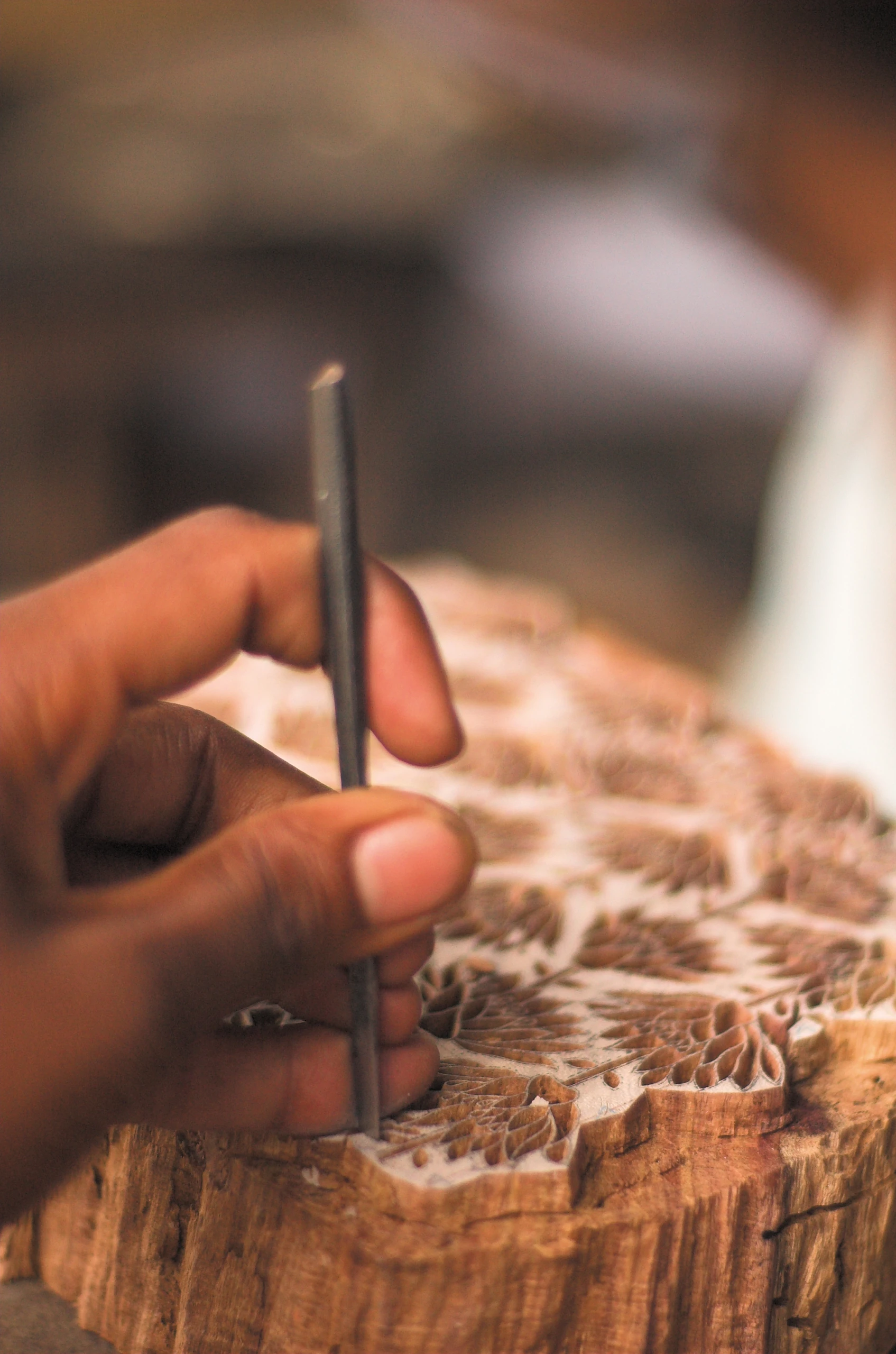
Hand-carving a wooden printing block in India.
Ketayun, Katz · CC BY-SA 4.0
Our connected targets
Explore its relationships with people, places, objects, knowledge and materials.


Local skill. Lasting value.
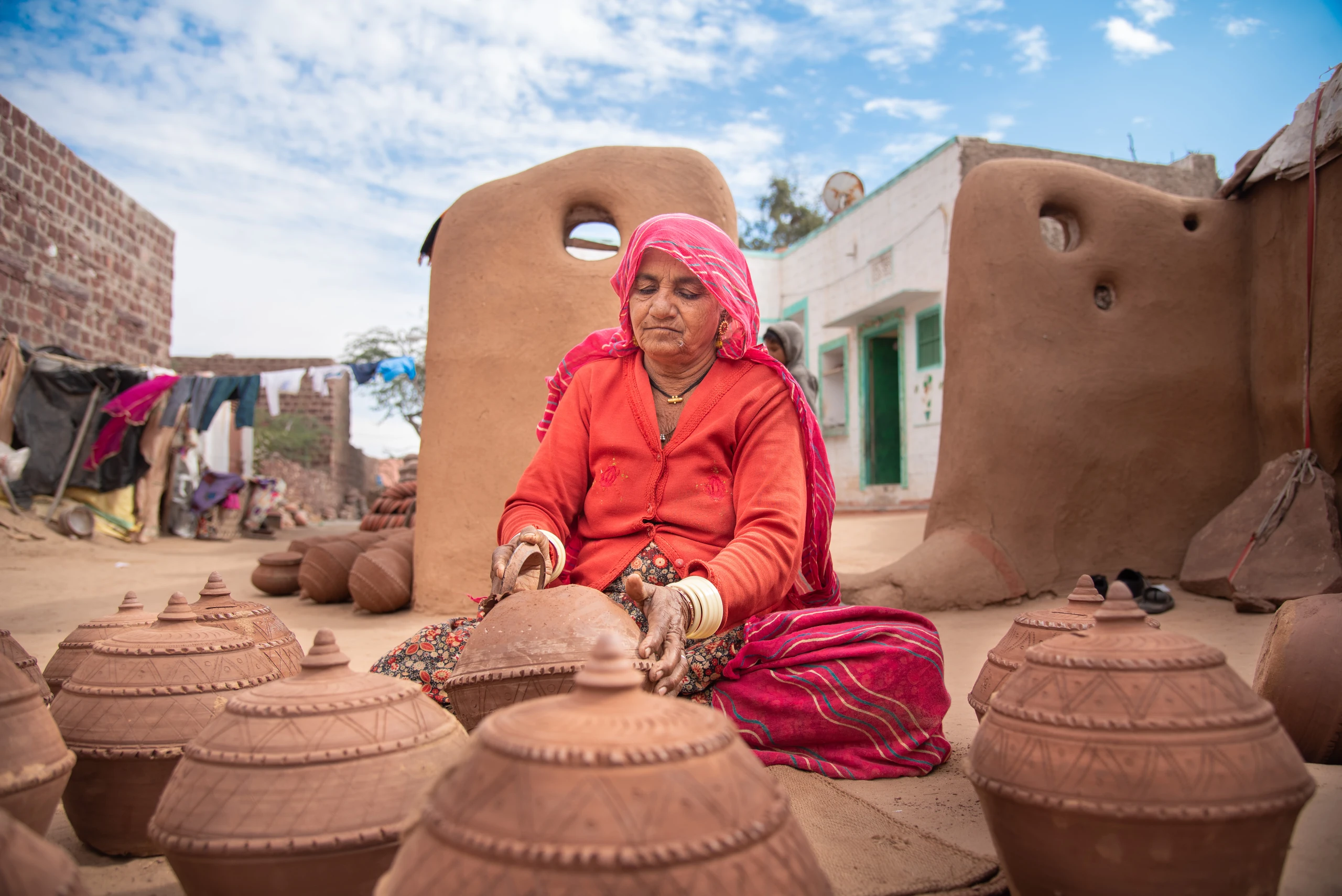
Pokaran, India · Clay takes form through skilled judgement and handwork.
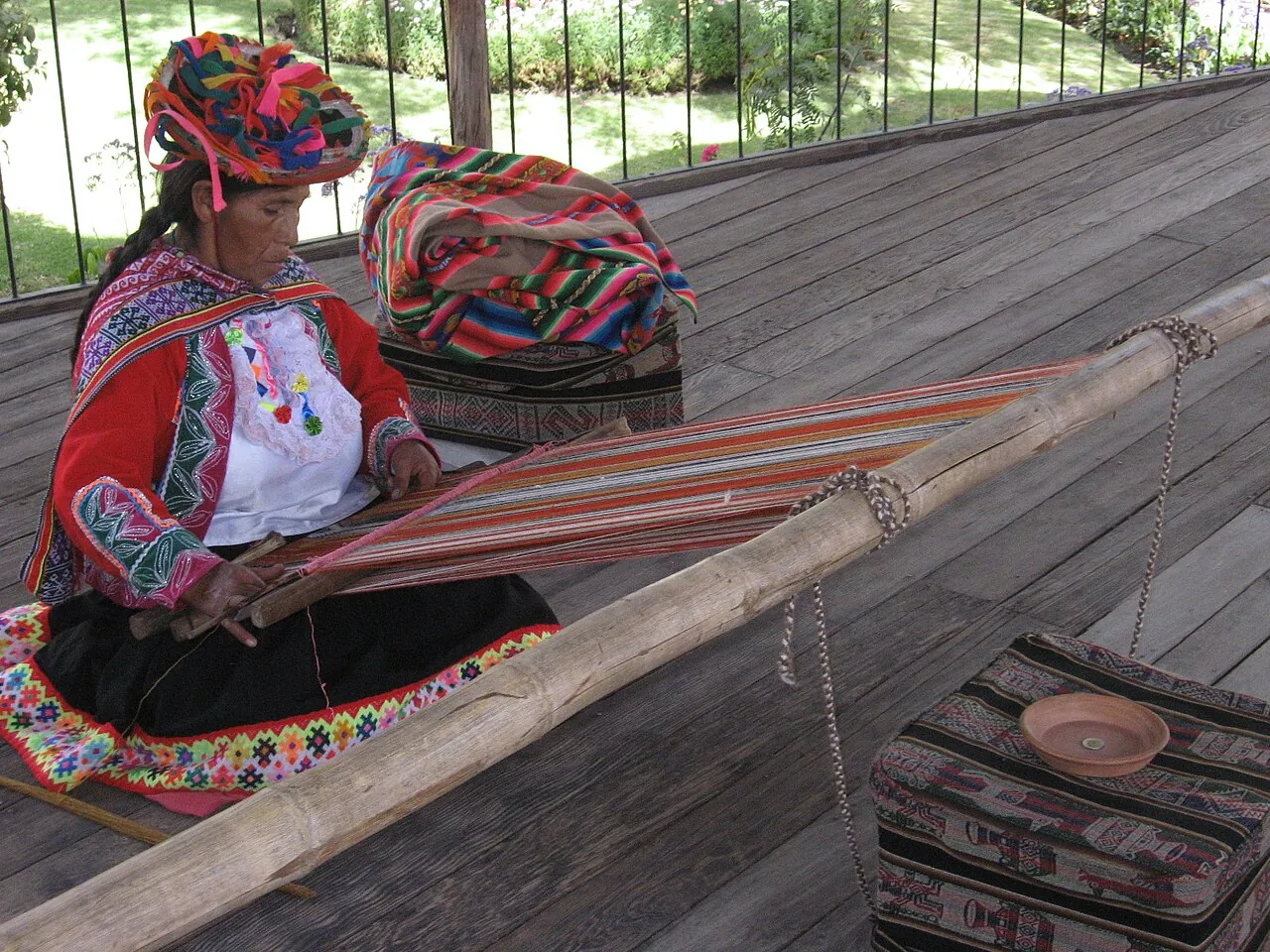
Arequipa, Peru · Weaving connects a material, a method and a practitioner.
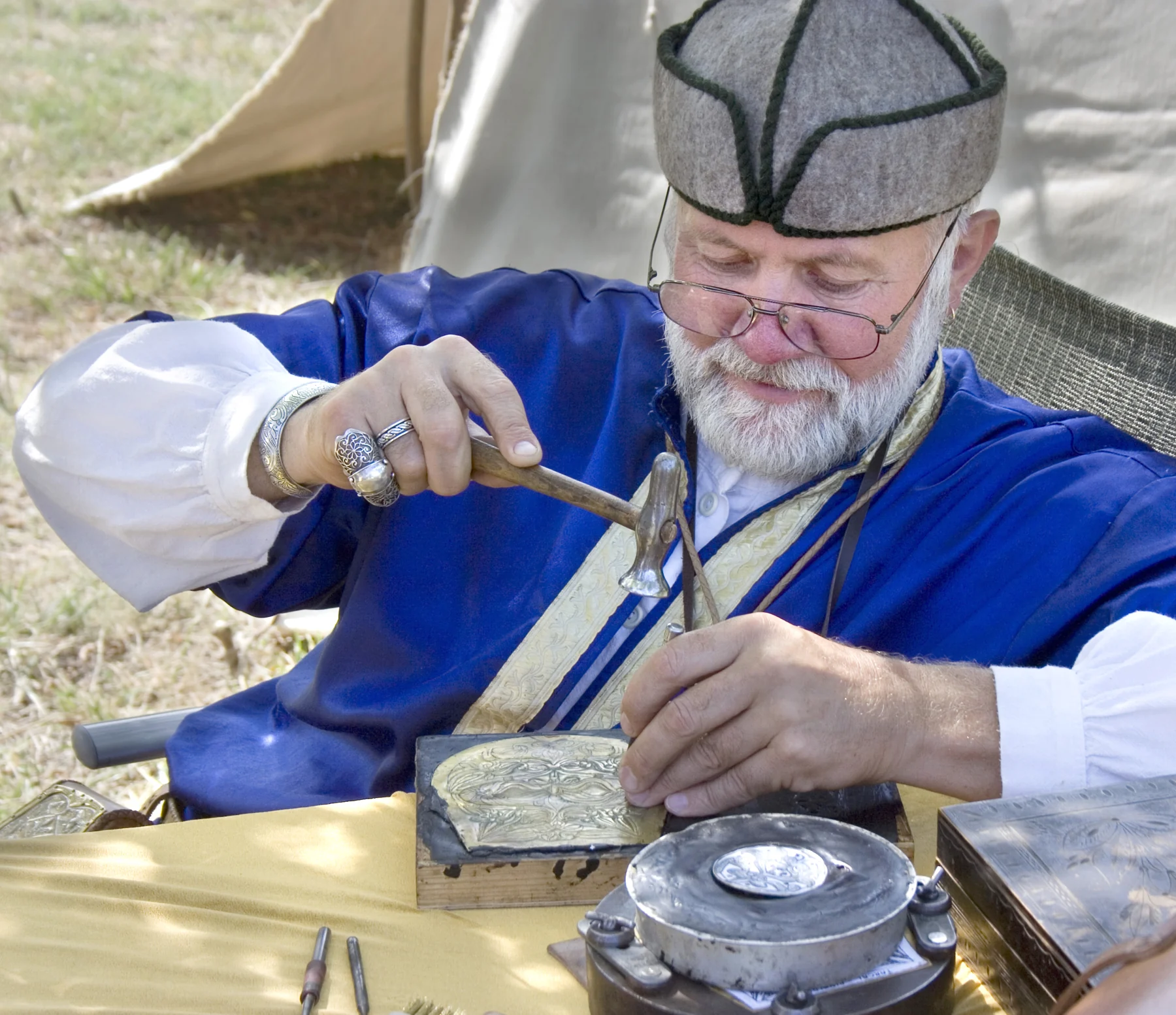
Near Makó, Hungary · A coppersmith demonstrates a working technique.
We intend to strengthen the conditions in which local techniques remain useful, living and locally directed — connecting skilled practice with fair recognition and sustainable opportunity.
A technique holds more than a sequence of steps. It joins material, tools, experience and judgement. Its continuity depends on people who practise it and the conditions that make their work possible.
Oyolima’s Techniques pathway brings transmission together with practical improvement: paid apprenticeships, useful records, carefully tested process changes, reliable tool care and practitioner-led commissions.

Our ambition is to make skilled work more valued and its continuity more practical. Practitioners should help choose the changes that matter to their work, its purpose and its meaning.
Quality, working conditions, resource use and local income belong in the same assessment. A useful change should remain understandable and maintainable.
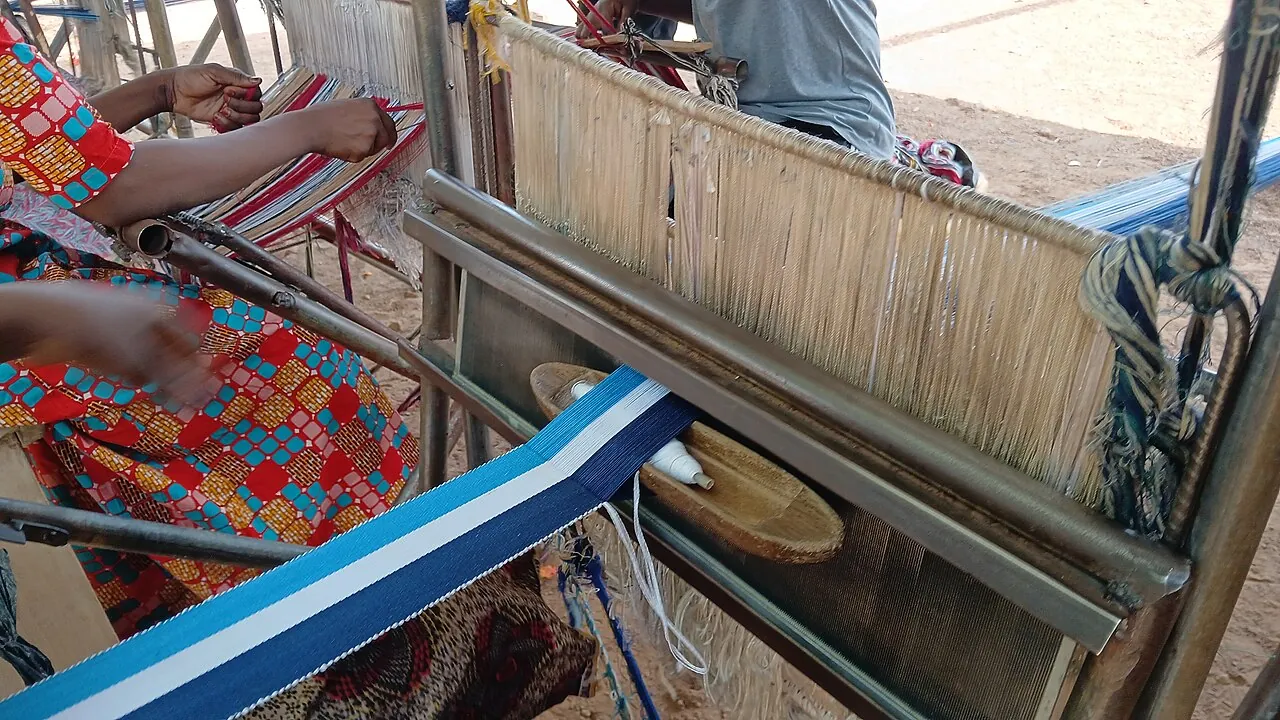
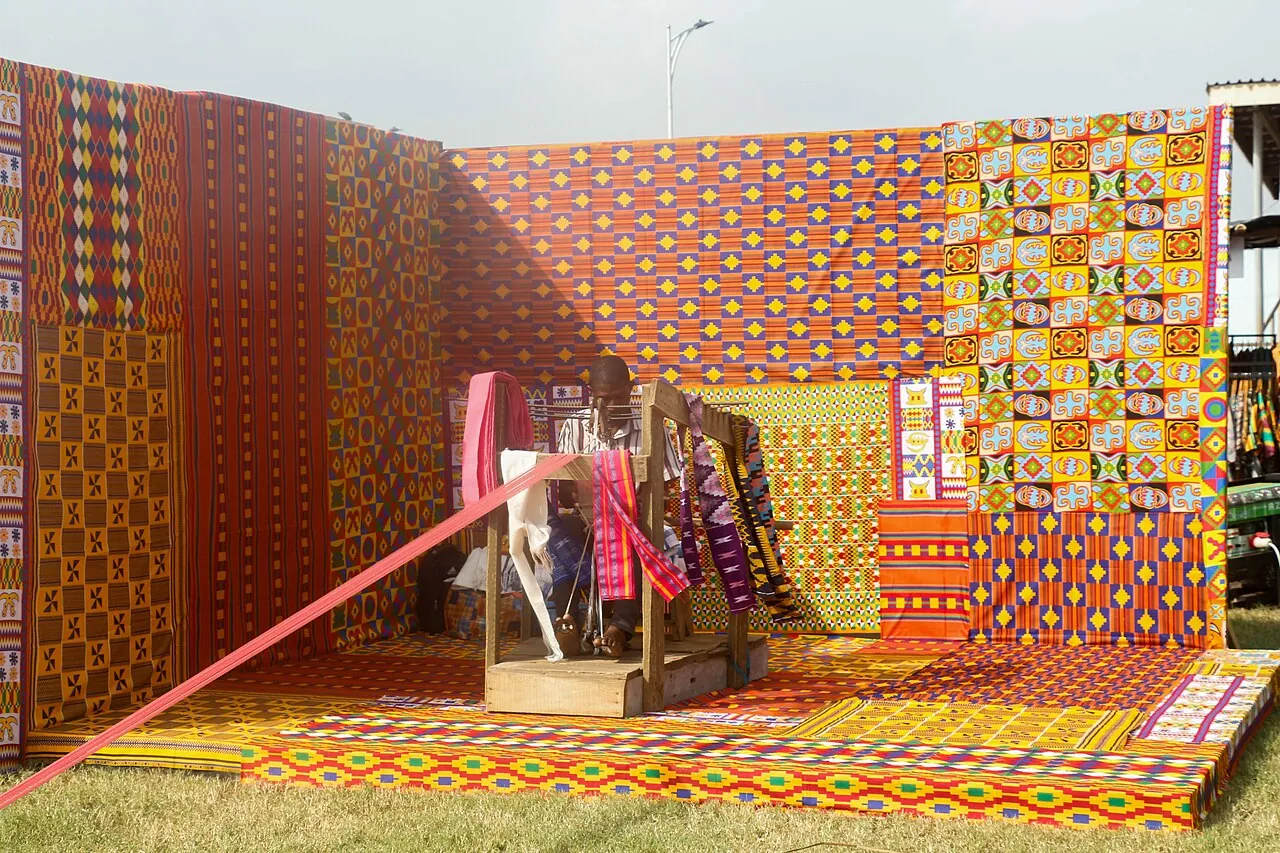
Explore our intended conceptsKente weaving in northern Ghana · daSupremo · CC BY-SA 4.0
Our intended local-technique concepts
Six concepts for co-design with practitioners and appropriate custodians. Each would begin with a manageable, funded pilot and a clear way to review its effects.

Make a method understandable through locally approved records of its sequence, tools, materials and practical judgement.
Hand-carving a wooden printing block in India.
Ketayun, Katz · CC BY-SA 4.0

Support repeated learning with paid teaching time, useful practice tasks and progress reviewed by the practitioner.
A weaver at work in Arequipa, Peru.
Sasha India · CC BY 2.0

Explore one practical improvement at a time, with the practitioner’s judgement guiding what should change and what should continue.
A potter working with red clay in Pokaran, Rajasthan, India.
Contact Base (WB) · CC BY-SA 4.0

Connect suitable shared tools with training, upkeep and local repair services that make a working method more dependable.
A coppersmith demonstration near Makó, Hungary.
Takkk · CC BY-SA 3.0

Explore how suitable local skills can support repair, maintenance and careful adaptation of contemporary objects.
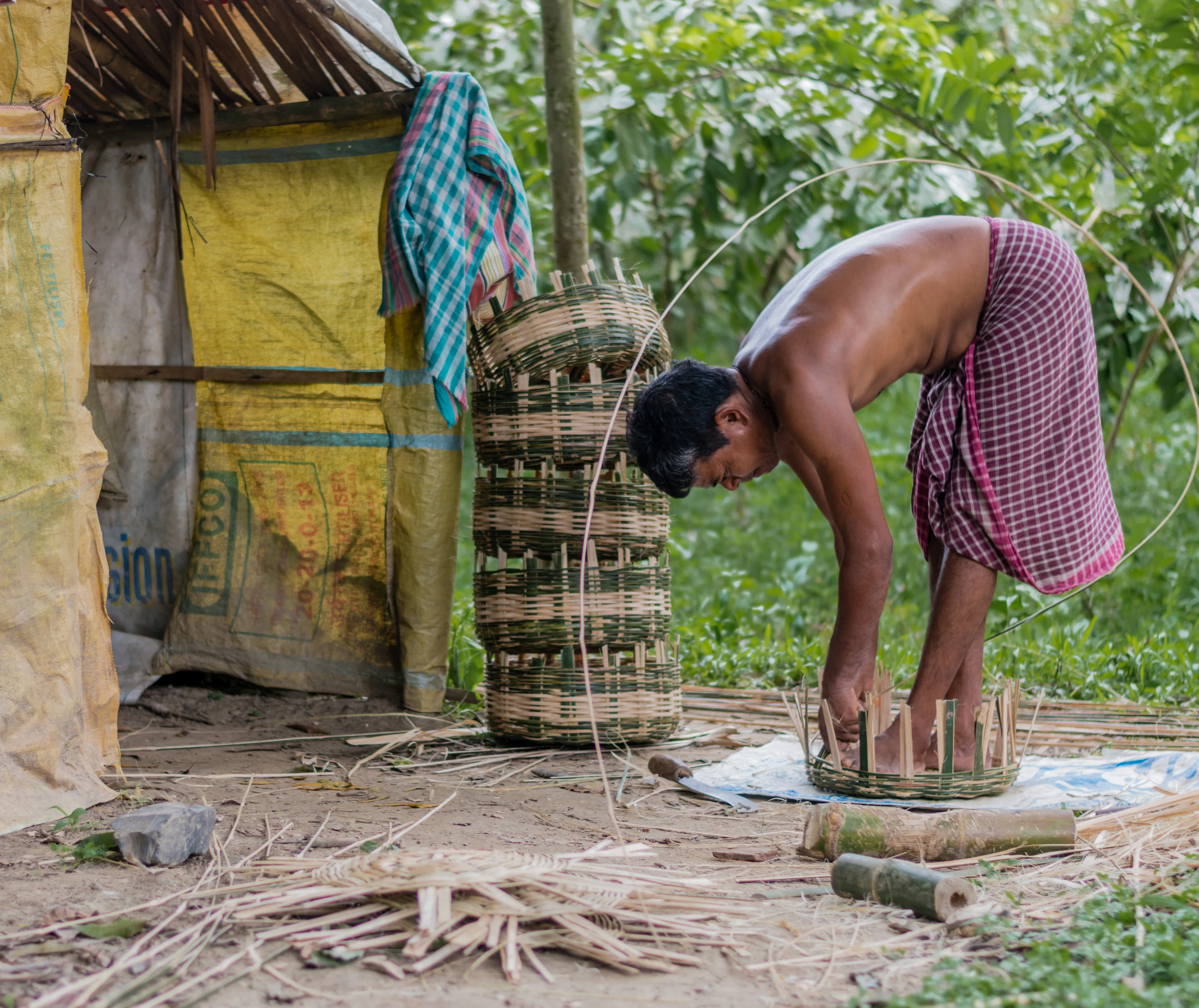
A bamboo basket maker photographed in India.
TAPAS KUMAR HALDER · CC BY-SA 4.0

Create carefully scoped opportunities for a local technique in new applications, with practitioners shaping the brief and terms.
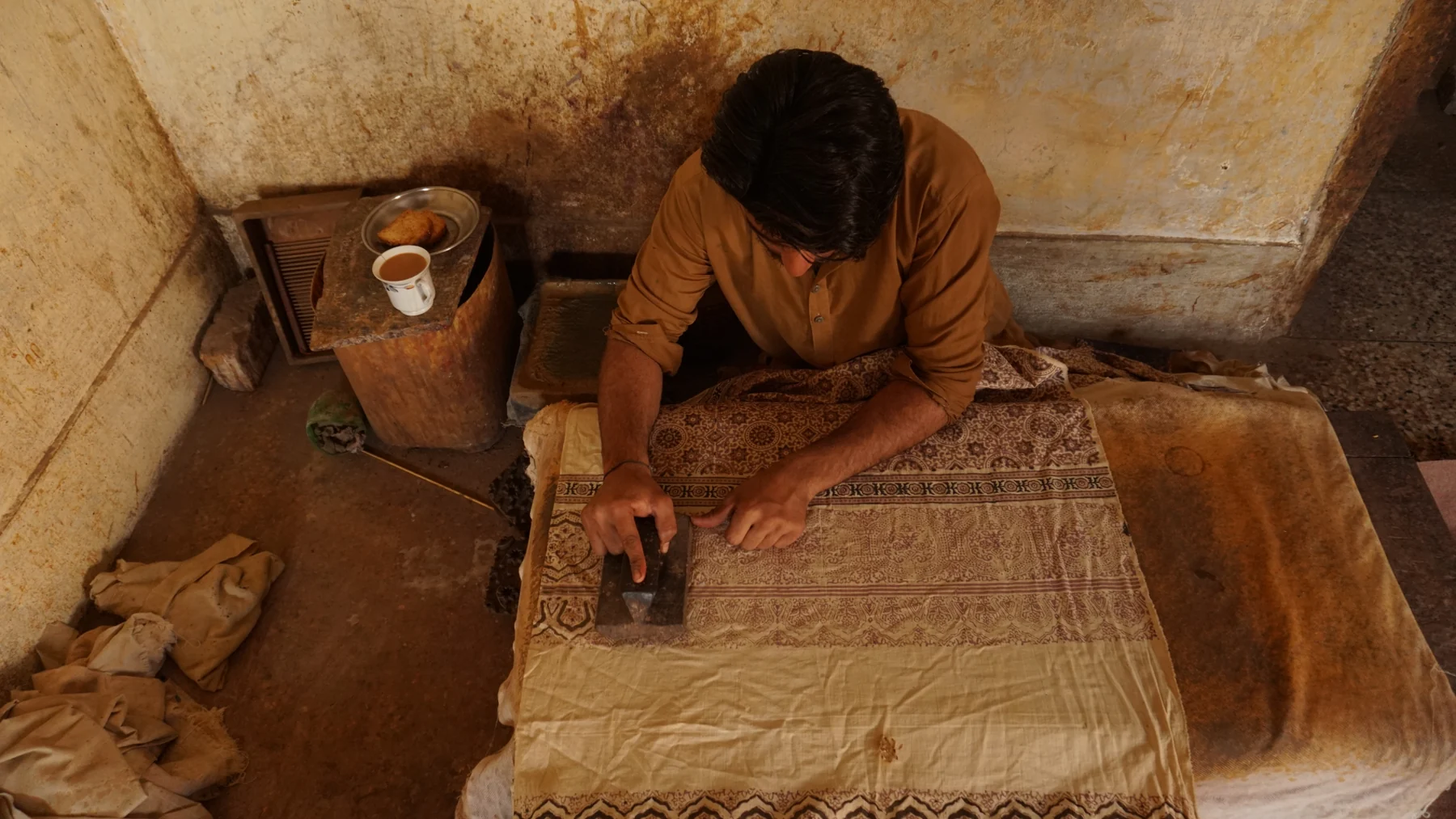
Hand-block printing documented in Sindh, Pakistan.
Kashif11 · CC BY-SA 4.0
A technique record can support an apprenticeship; dependable tools can make practice easier to sustain; a carefully scoped commission can fund development. These opportunities can strengthen one another when terms, meaning and local benefits are understood.
Local techniques in practice
These real, credited examples show skilled practice in different local contexts. Each technique has its own material conditions, history and practitioners.

A woven form grows through material preparation, tension, rhythm and skilled judgement. A useful technique record can connect these decisions with practice and quality.
Skill in sequence
Photograph: kente weaving at Afrochella Festival, Ghana.
A carved printing block joins a material, a tool and a design. Precision and interpretation remain connected to the practitioner who understands the work.
Judgement made visible
Photograph: carving a wooden printing block, India.
Clay work connects touch, form and the conditions of preparation. Appropriate trials can consider consistency, usable output and the meaning of the finished form.
Material through handwork
Photograph: a potter in Pokaran, Rajasthan, India.
Bending, joining and shaping fibres can turn a local resource into a useful object. Material choice and structure guide both making and later care.
Useful form, skilled care
Photograph: bamboo basket making, India.
Metalworking connects skilled handwork with material behaviour and suitable tools. Careful documentation and competent assessment can support learning and dependable practice.
Tools, material & experience
Photograph: a coppersmith demonstration near Makó, Hungary.Our guiding commitment: opportunities connected to a technique should support the people who practise it. Contributors, intended uses, attribution, payment and continuing responsibilities should be clear.
Care depends on the quality of the relationship.
Six commitments guide the technique opportunities we intend to develop.
The people who practise a technique should help decide how it is documented, taught or developed. Their judgement remains central to useful change.
In practice: agree the purpose and acceptable changes with practitioners.
Teaching, testing, demonstration and development are skilled work. Prices and agreements should recognise time, preparation and contribution.
In practice: explain payment, costs and any later reuse terms.
A method can carry cultural meaning as well as technical capability. Relevant custodians should guide representation and uses that need their agreement.
In practice: agree attribution, documentation and permitted applications.
A useful change needs a clear question and an appropriate comparison. Performance, uncertainty and unintended effects should remain visible.
In practice: test a modest change and review it with the practitioner.
Materials, water, energy and tool life belong in the assessment of a process. A proposed improvement should fit local conditions and a useful purpose.
In practice: assess inputs, usable output and continuing maintenance.
A technique lives through people practising, learning and caring for it. A record should support these relationships and continuing capability.
In practice: connect documentation with paid teaching and repeated use.
The people who practise a technique should help decide how it is documented, taught or developed. Their judgement remains central to useful change. In practice: agree the purpose and acceptable changes with practitioners.
Teaching, testing, demonstration and development are skilled work. Prices and agreements should recognise time, preparation and contribution. In practice: explain payment, costs and any later reuse terms.
A method can carry cultural meaning as well as technical capability. Relevant custodians should guide representation and uses that need their agreement. In practice: agree attribution, documentation and permitted applications.
A useful change needs a clear question and an appropriate comparison. Performance, uncertainty and unintended effects should remain visible. In practice: test a modest change and review it with the practitioner.
Materials, water, energy and tool life belong in the assessment of a process. A proposed improvement should fit local conditions and a useful purpose. In practice: assess inputs, usable output and continuing maintenance.
A technique lives through people practising, learning and caring for it. A record should support these relationships and continuing capability. In practice: connect documentation with paid teaching and repeated use.
What improvement would mean
These are questions to review when a pilot begins. Practitioners, learners and appropriate specialists would help define useful progress for the technique and its purpose.
Payment retained from teaching, development, production and suitable repair work.
Whether learners can perform an agreed task and continue practising it.
Useful output and the quality criteria practitioners agree for the technique.
Relevant materials, water or energy considered alongside usable output and function.
Availability, condition and maintainability of chosen tools and local support.
Whether practitioners can shape interpretation, accept opportunities and review concerns.

A practitioner agreement for technique work
Before a pilot, we intend to agree which opportunity matters, what may be shared or changed and how value returns to the people doing the work.
Purpose & context · Understand the technique, its practitioners and a locally meaningful priority.
Permission & authorship · Agree documentation, attribution, teaching and any later reuse.
Work & payment · Cost practice, testing, materials, development and continuing care.
Evidence & review · Assess quality, capability, resource use and concerns together.
From intention to a locally meaningful pilot
Build the relationship, test a practical opportunity and review what changes with the people involved.

01 · Begin with a technique and its practitioner
Understand the practice, its material, its context and a locally meaningful priority. Agree what may be recorded, taught or developed and how contributors will benefit.

02 · Make one opportunity practical
Choose a manageable apprenticeship, process trial, tool service or commission. Set paid roles, technical requirements, permissions and a realistic review plan.

03 · Keep practice and review connected
Review capability, quality, practitioner income, resource use and cultural meaning. Return records and findings in a useful form, then agree what should continue or change.
Clarity before technique development
Good technique opportunities begin with skilled judgement, an agreed purpose and practical terms.
The real, credited photographs illustrate local techniques and skilled practice. Pictured people, events and locations are not presented as Oyolima participants or partners. The six concepts describe opportunities we intend to develop through local co-design and funded pilots.
Practitioners and appropriate custodians would help choose the purpose, acceptable changes and what may be recorded or taught. Relevant specialists would support technical assessment where needed.
A review would consider quality, useful life, material and processing inputs, working conditions, local costs and income, maintainability and cultural meaning. Any claimed improvement would need evidence appropriate to the technique and application.
Use the Oyolima contact page to describe the technique, your relationship to it and a practical opportunity. A pilot would need willing practitioners, relevant permissions, resources and a useful review plan.
Bring a practitioner’s idea, a learning challenge or a practical process question. A lasting opportunity begins with the people and purpose connected to it.