Living Apprenticeship Circles
Support small, practitioner-led learning groups where teaching time is paid and knowledge remains connected to real work.
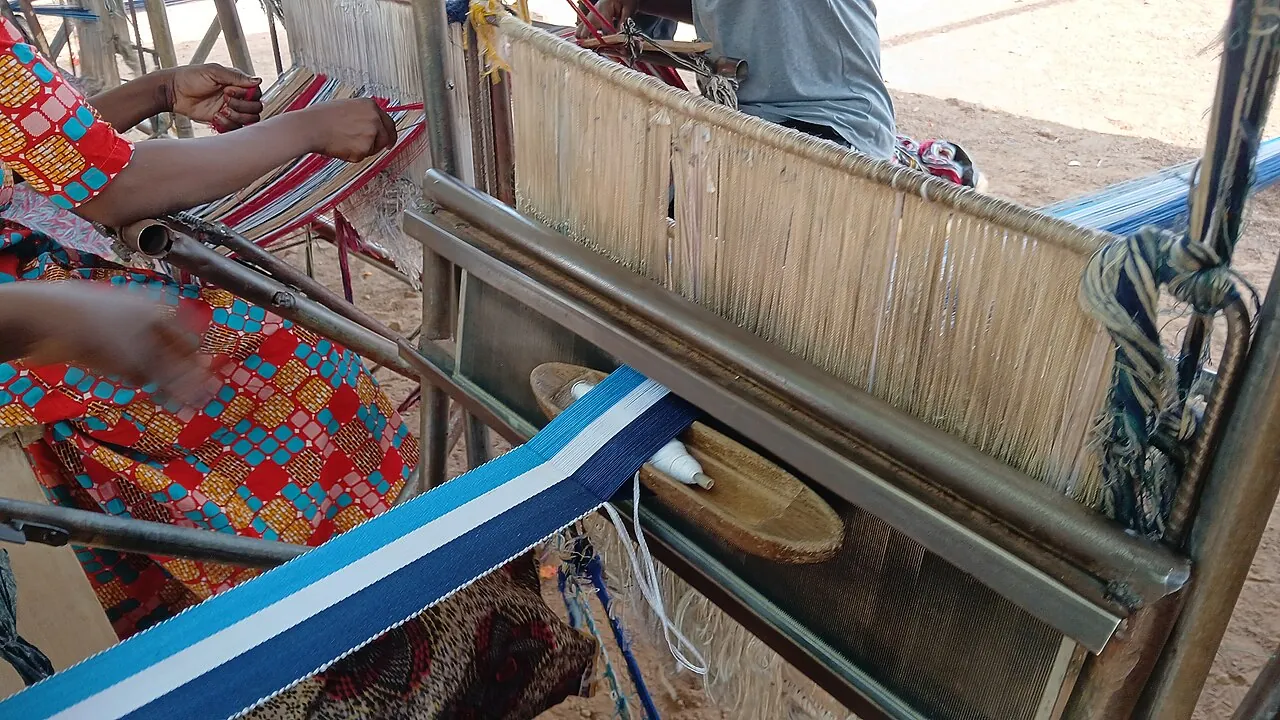
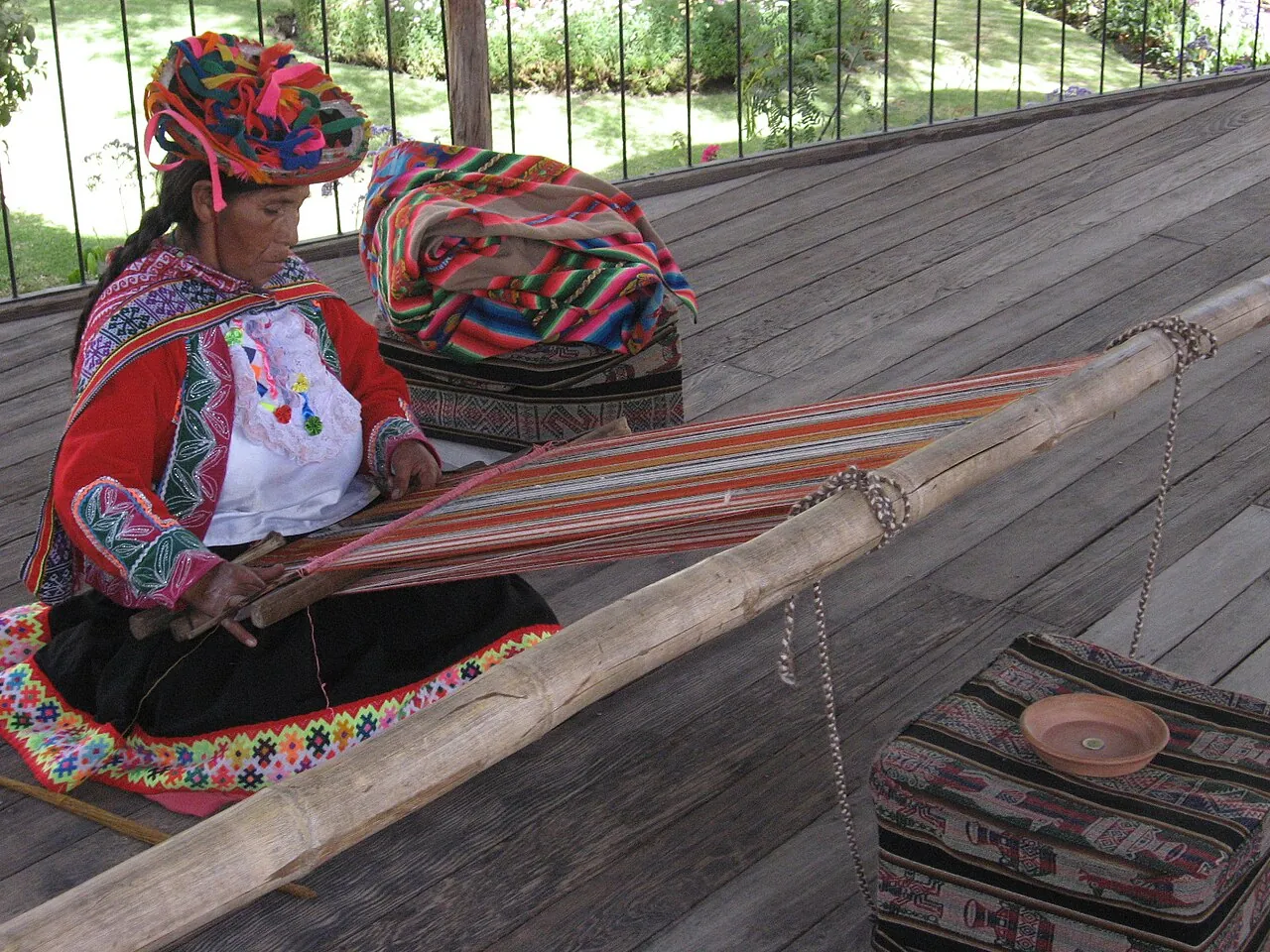
A weaver at work in Arequipa, Peru.
Sasha India · CC BY 2.0
Our connected targets
Explore the relationships between knowledge, people, places, objects, techniques and materials.


Knowledge kept alive. Value shared fairly.
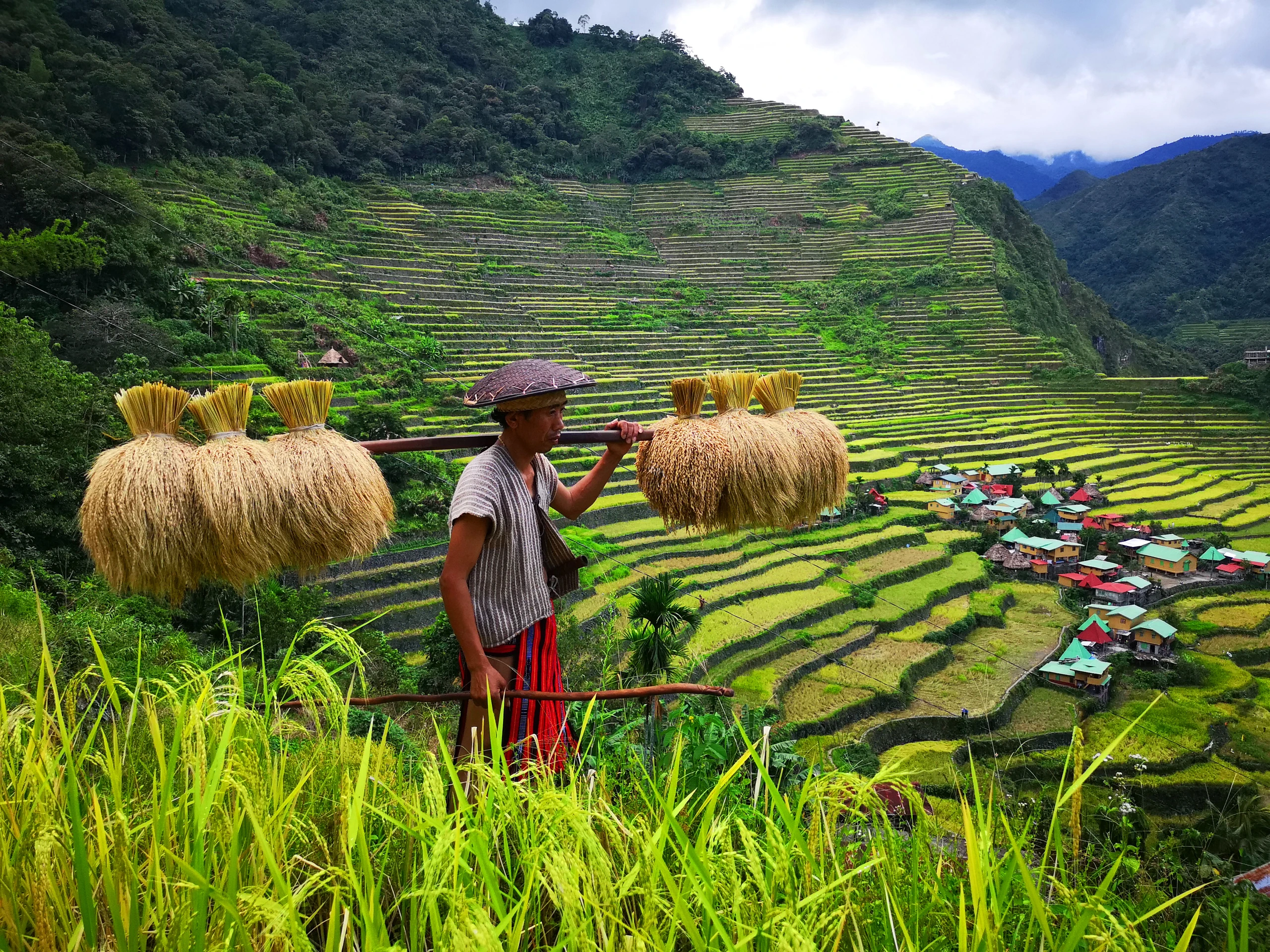
Batad, Philippines · A working landscape connects knowledge, seasons and care.
Arequipa, Peru · Weaving makes skilled knowledge visible in practice.
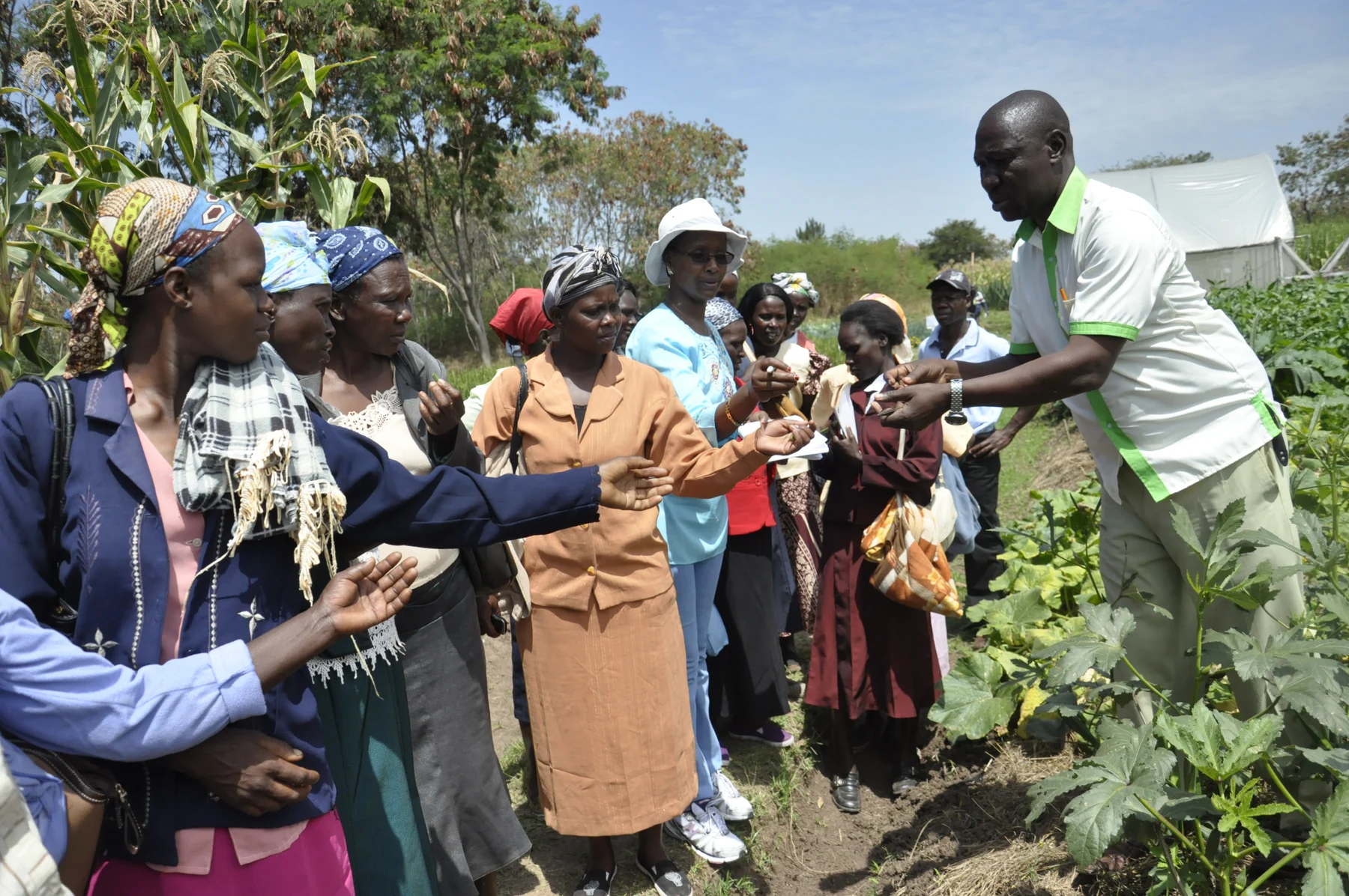
Kisumu, Kenya · Farmers learning at an agricultural fair.
We intend to strengthen the conditions in which local and Indigenous knowledge systems remain living, useful and locally directed — connecting transmission with fair recognition and sustainable opportunity.
A knowledge system is more than a collection of facts. It connects language, practice, observation, relationships and ways of understanding the world. Its continuity depends on the people and conditions that sustain it.
Oyolima’s Knowledge Systems pathway brings learning together with practical value: paid teaching, community-governed records, practitioner services, locally directed inquiry and careful exchange across generations.

Our ambition is to make teaching, interpretation, observation and stewardship visible as valuable work. Knowledge holders should have a meaningful role in decisions about sharing, application and benefit.
Useful records can support continuity, but practice, language and relationships remain central. Every opportunity should begin with an agreed local purpose.
Explore our intended conceptsKente weaving in northern Ghana · daSupremo · CC BY-SA 4.0
Our intended knowledge-system concepts
Six concepts for co-design with practitioners and appropriate local custodians. Each would begin with a manageable, funded pilot and a clear way to review its effects.

Support small, practitioner-led learning groups where teaching time is paid and knowledge remains connected to real work.
A weaver at work in Arequipa, Peru.
Sasha India · CC BY 2.0

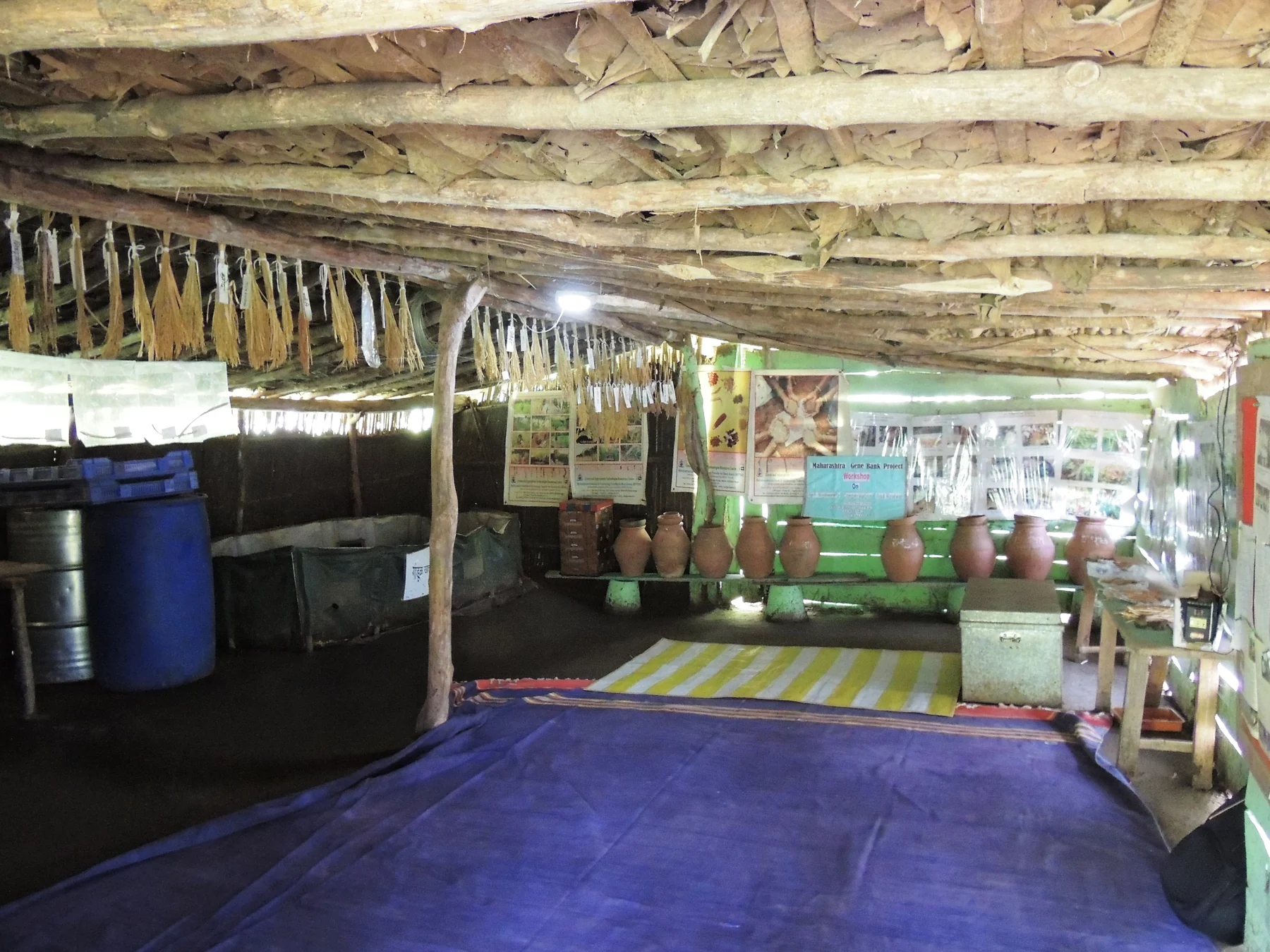
Create locally useful records with agreed access, language and reuse terms, supported by people responsible for keeping them usable.
A community seed bank documented in Jawhar, Maharashtra, India.
Abhijeet Kamble (MGB CEE) · CC BY-SA 4.0

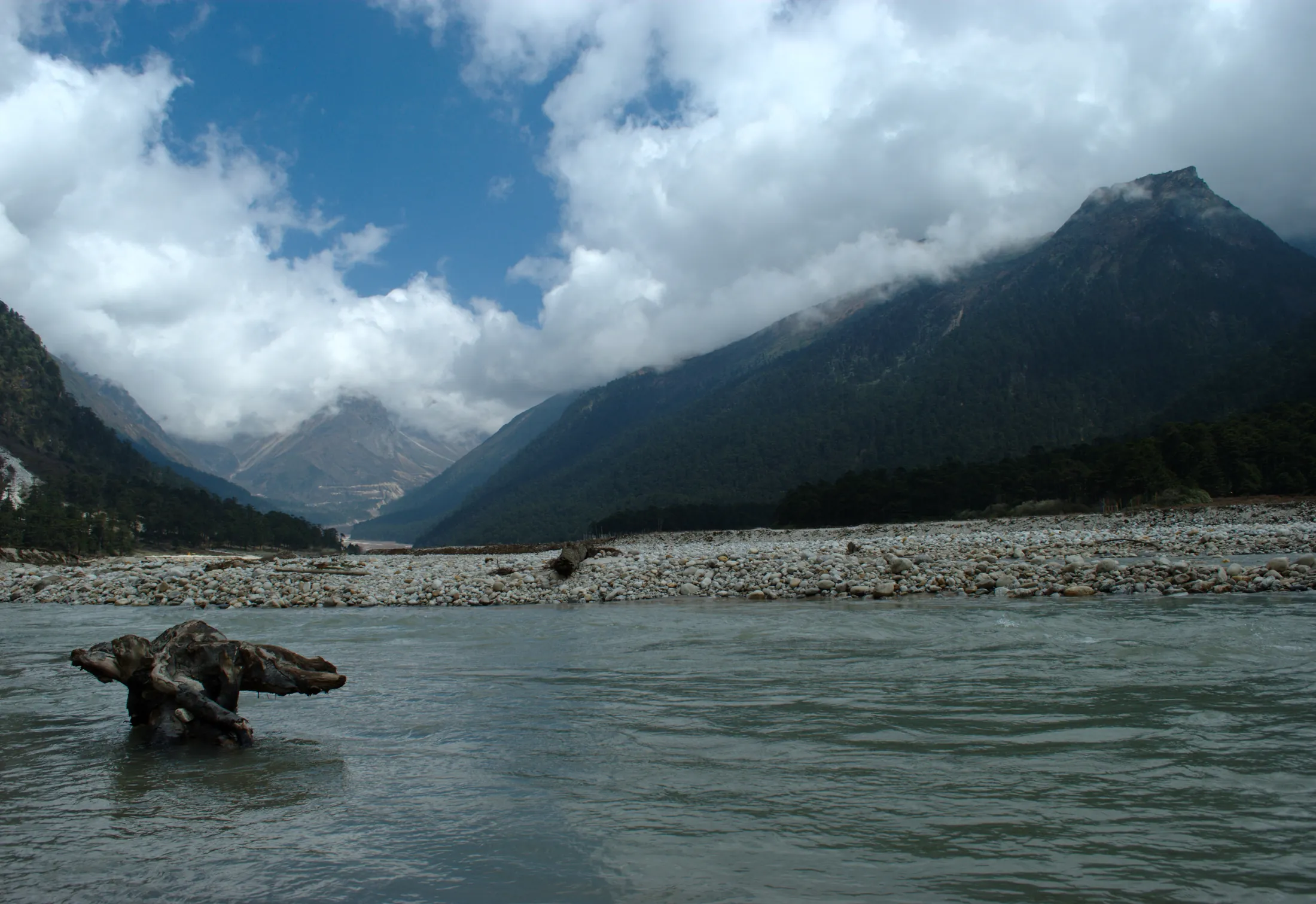
Connect locally meaningful observations with simple records that help communities reflect on changing seasons and conditions.
A mountain river valley in Sikkim, India.
Pradeep Kumbhashi · CC BY 2.0

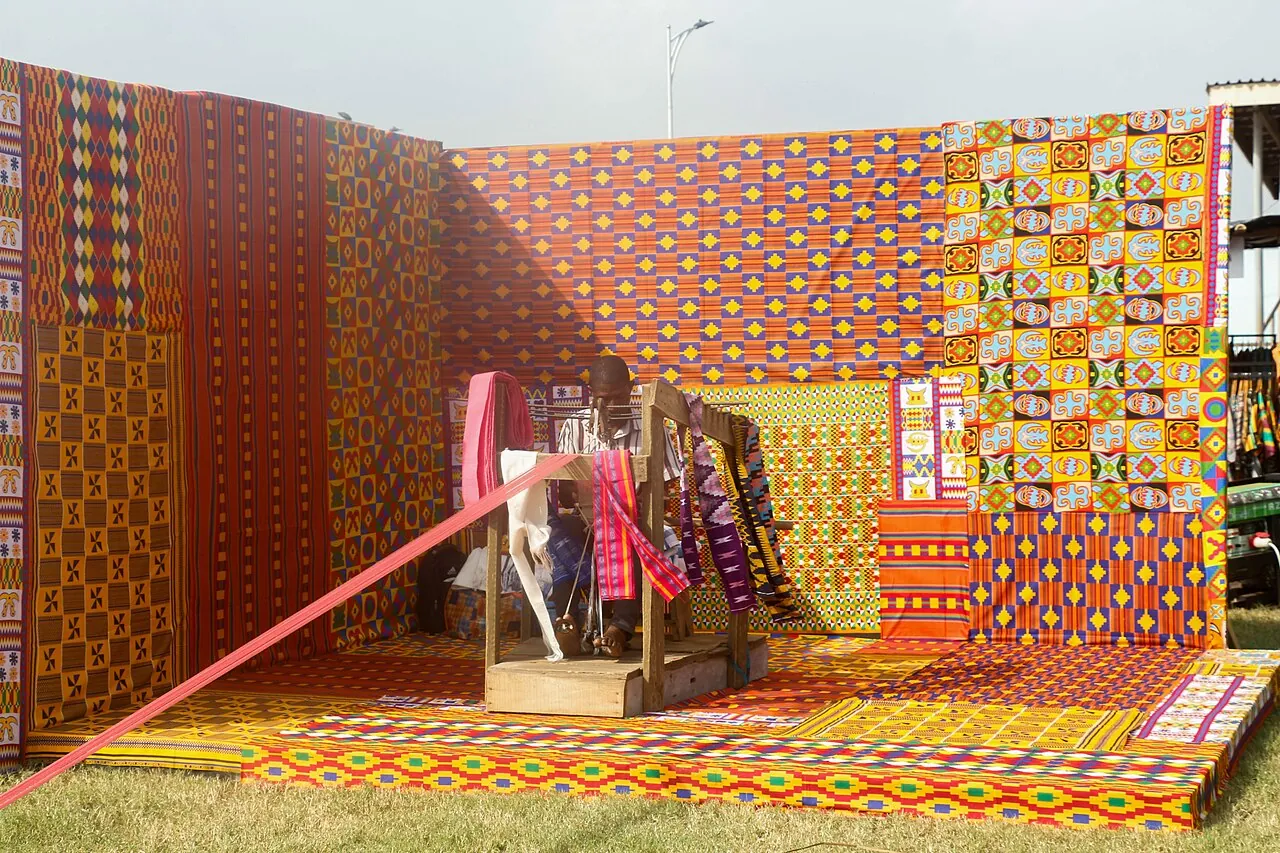
Make appropriate local expertise visible through carefully scoped advice, demonstrations and practical assessment services.
Kente weaving in northern Ghana.
daSupremo · CC BY-SA 4.0

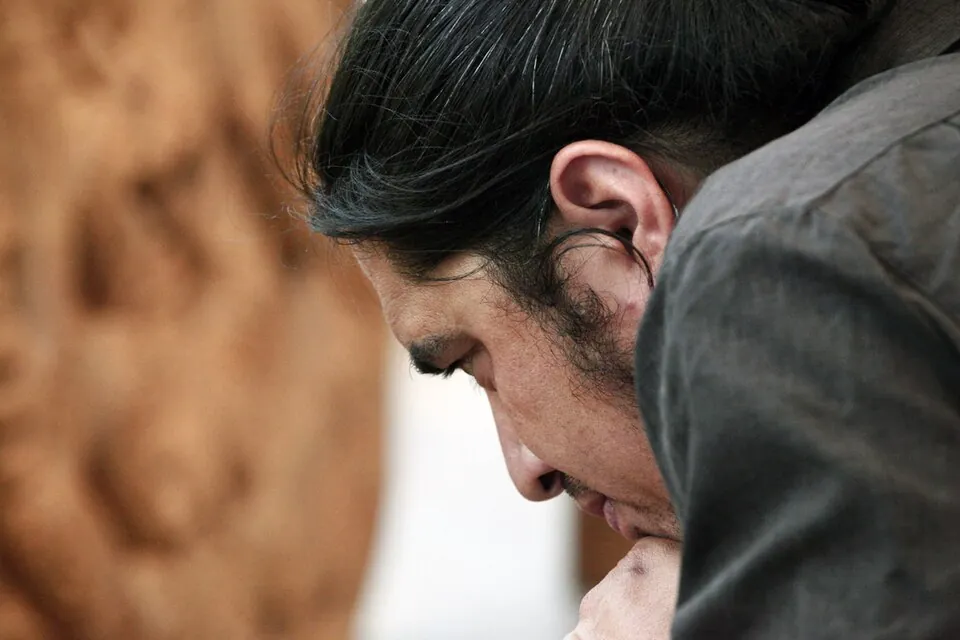
Support locally directed audio, translation and storytelling work that keeps knowledge understandable in the languages people use.
A Māori artisan in New Zealand; an illustrative portrait of a knowledge practitioner.
Steve Evans · CC BY 2.0

Bring local experience and appropriate research together around one practical question that a community wants to answer.
Farmers learning at an agricultural fair in Kisumu, Kenya.
V. Atakos (CCAFS) · CC BY 2.0
A learning circle can create a useful local record; seasonal observations can inform an applied inquiry; a community-approved story can support paid interpretation. These opportunities can strengthen one another when their purpose and terms are agreed.
Connected fields of knowledge
These documentary examples illustrate different relationships between experience, language, skilled practice and place. Knowledge systems are living and diverse; one example does not stand for a whole community.

Skilled judgement links a material with a technique, a tool and a purpose. Understanding comes through observation, repetition and the experience of practitioners.
Capability in practice
Photograph: carving a wooden printing block, India.
Seed histories and cultivation experience can connect local memory with everyday production. Their recording and use should follow the people and conditions involved.
Knowledge rooted in use
Photograph: a community seed bank in Jawhar, India.
Working landscapes connect observation, local resource care and seasonal decisions. Records become useful when their meaning and limitations remain visible.
Context matters
Photograph: rice terraces and a farmer in Batad, Philippines.
Language carries distinctions, stories and ways of understanding. Interpretation should retain the voices and locally approved meanings connected to a record.
Meaning in its own voice
Illustrative portrait: a Māori artisan, New Zealand.
Knowledge also develops through encounter, discussion and testing. An exchange can respect local experience while opening space for new questions and evidence.
Learn, apply & review
Photograph: farmers learning in Kisumu, Kenya.Our guiding commitment: knowledge opportunities should support the people connected to them. Contributors, intended uses, access arrangements, payment and continuing responsibilities should be clear.
Care depends on the quality of the relationship.
Six commitments guide the knowledge opportunities we intend to develop.
The people connected to knowledge should help shape what happens to it. Appropriate custodians and different local voices need space in decisions.
In practice: agree participation, access and use with the relevant people.
Teaching, interpretation, observation and documentation are work. Their value should be reflected in clear payment and benefit terms.
In practice: cost contributor time and explain who is paid for each task.
A useful record supports practice and relationships. Learning should strengthen the ability to use knowledge rather than only collect information.
In practice: connect documentation with teaching and continuing practice.
Meaning depends on language, place and the conditions of use. Records should preserve enough context to be understood and interpreted responsibly.
In practice: review wording and interpretation with local contributors.
Respectful exchange can make room for different forms of knowledge and careful testing. Evidence, uncertainty and limits should remain visible.
In practice: agree the question and review what the findings can support.
Knowledge work needs people, resources and a way to revisit decisions. Access and care should remain practical after a project ends.
In practice: name local stewards and plan updates, corrections and costs.
The people connected to knowledge should help shape what happens to it. Appropriate custodians and different local voices need space in decisions. In practice: agree participation, access and use with the relevant people.
Teaching, interpretation, observation and documentation are work. Their value should be reflected in clear payment and benefit terms. In practice: cost contributor time and explain who is paid for each task.
A useful record supports practice and relationships. Learning should strengthen the ability to use knowledge rather than only collect information. In practice: connect documentation with teaching and continuing practice.
Meaning depends on language, place and the conditions of use. Records should preserve enough context to be understood and interpreted responsibly. In practice: review wording and interpretation with local contributors.
Respectful exchange can make room for different forms of knowledge and careful testing. Evidence, uncertainty and limits should remain visible. In practice: agree the question and review what the findings can support.
Knowledge work needs people, resources and a way to revisit decisions. Access and care should remain practical after a project ends. In practice: name local stewards and plan updates, corrections and costs.
What strengthening a knowledge system would mean
These are questions to assess when a pilot begins. Practitioners, learners and local custodians would help define what counts as meaningful progress.
Payment retained by teachers, observers, interpreters and other local contributors.
Whether learners can use a capability and continue practising it over time.
Whether records stay understandable, accessible to their intended users and correctable.
The use of appropriate local languages in teaching, interpretation and knowledge records.
Whether findings help answer a local question or improve a chosen practice.
Whether contributors can shape access, agree benefits and raise or resolve concerns.

A local agreement for knowledge work
Before a pilot, we intend to agree what the work is for, who is involved, what may be shared and how its value returns to contributors.
Purpose & participation · Begin with a locally meaningful question and the appropriate practitioners and custodians.
Access & use · Agree audiences, languages, permitted uses and any limits on sharing.
Payment & benefit · Cost teaching, interpretation, local research and continuing care.
Return & review · Keep local copies useful and provide a route for corrections, concerns and future decisions.
From intention to a locally meaningful pilot
Build the relationship, test a practical opportunity and review what changes with the people involved.

01 · Begin with a locally meaningful question
Work with willing practitioners and appropriate custodians to understand the knowledge, its context and a local priority. Agree participation, what may be shared and the intended benefit.

02 · Make learning and value practical
Choose a manageable learning circle, documentation task or applied inquiry. Set paid roles, access arrangements, responsibilities and a realistic review plan before work begins.

03 · Return the work to the people involved
Return records and findings in an accessible form. Review capability, local use, contributor income and concerns, then agree what should continue or change.
Clarity before knowledge exchange
Good knowledge work needs an agreed purpose, willing participation and terms that remain understandable.
The six concepts describe opportunities Oyolima intends to develop through local co-design and funded pilots. Real, credited photographs illustrate the themes; pictured people, events and institutions are not presented as Oyolima participants or partners.
Knowledge holders and appropriate custodians would guide recording, access and use. A public resource, a community-only record and restricted knowledge need different arrangements. Permission for one use would not automatically allow another.
Depending on the pilot, paid work could include teaching, translation, interpretation, documentation, observation or practical research. Fees and benefit terms would identify contributors, costs, payment and any continuing responsibilities.
Use the Oyolima contact page to describe your relationship to the knowledge, a local priority and an appropriate opportunity. A pilot would need willing participants, agreed permissions, resources and a useful way to review outcomes.
Bring a practitioner’s idea, a community question or a transmission challenge. A meaningful opportunity begins with the people and context connected to it.