OyolimaOyolima

Living heritage   ·   Maker-led value   ·   Continuing care

Colourful pottery and ceramics displayed in an artisan marketplace in Safi, Morocco

Objects

Objects with meaning. Value that endures.

Safi, Morocco · Ceramics shaped for use, exchange and meaning.

01 / 03

“Objects with meaning.
Value that endures.”

We intend to connect the things people make with fair recognition, useful lives and continuing care — so value reaches the people and communities behind them.

An object carries more than its shape. It holds material, skilled work, a purpose and a story. Understanding these relationships changes how we commission, use, interpret and care for it.

Oyolima’s Objects pathway brings an archive mindset together with practical opportunity: maker-led production, clear provenance, paid interpretation, appropriate repair and thoughtful material use.

The value of an object should outlast the moment of sale.

Our ambition is to strengthen an object’s useful life, cultural understanding and contribution to maker livelihoods. Care, credit and fair terms belong alongside good design.

For contemporary goods, that can mean better commissions and repair. For heritage objects, it begins with responsible documentation, custodian-led interpretation and appropriate care.

Explore our intended concepts

Ceramics in a marketplace in Safi, Morocco · ErnestK91 · CC BY-SA 4.0

Our intended object concepts

More meaning.
More lasting value.

Six concepts for co-design with makers, owners and custodians. Each would begin with a manageable, funded pilot and a clear way to review its effects.

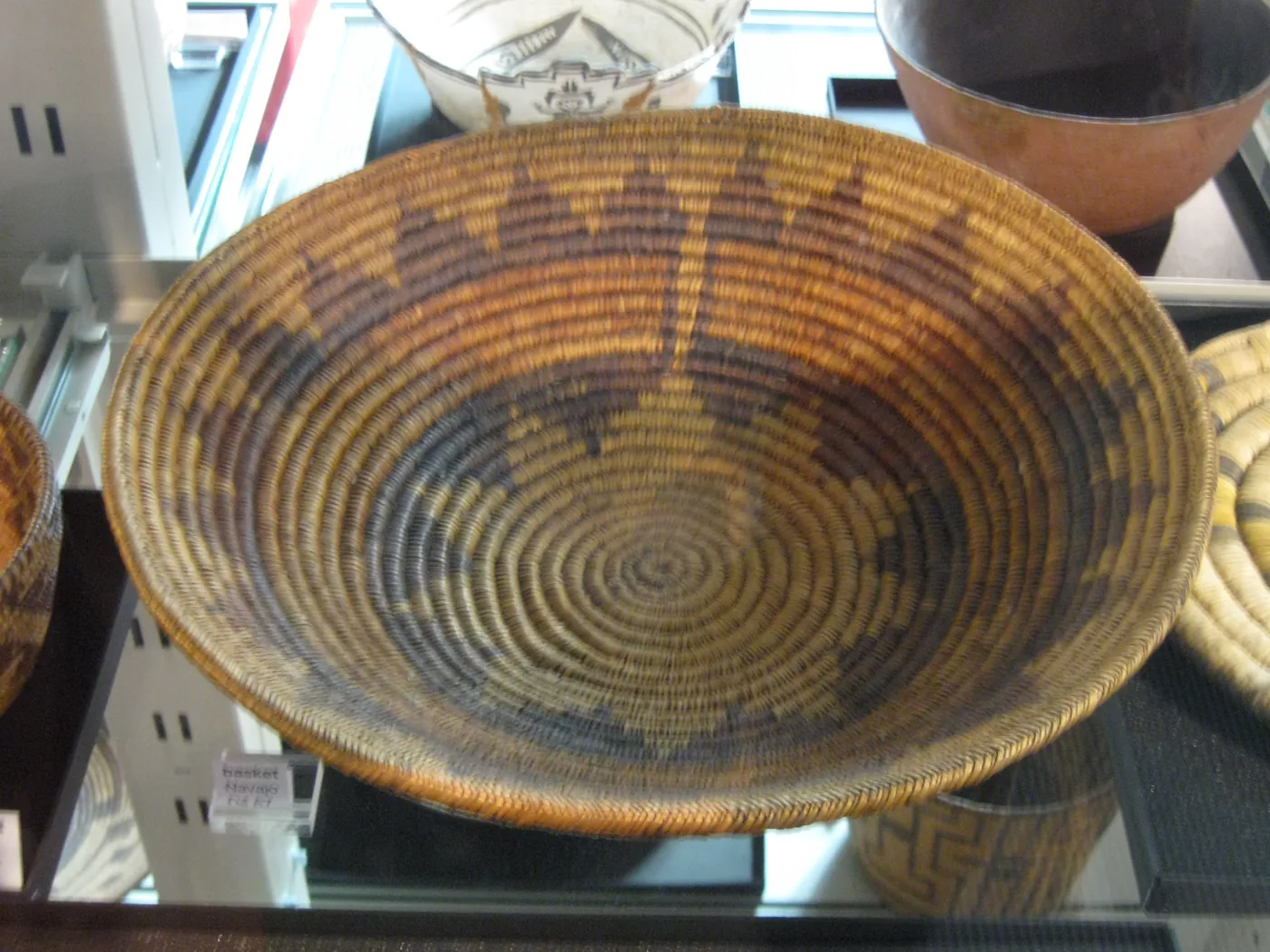
A patterned Diné (Navajo) woven basket displayed at the UBC Museum of Anthropology.
Identity, context & continuing care01

Living Provenance Passports

A readable object record that connects maker recognition, material knowledge, cultural context and a history of care.

Diné (Navajo) basket photographed at the UBC Museum of Anthropology, Canada.
Leoboudv · CC BY-SA 3.0

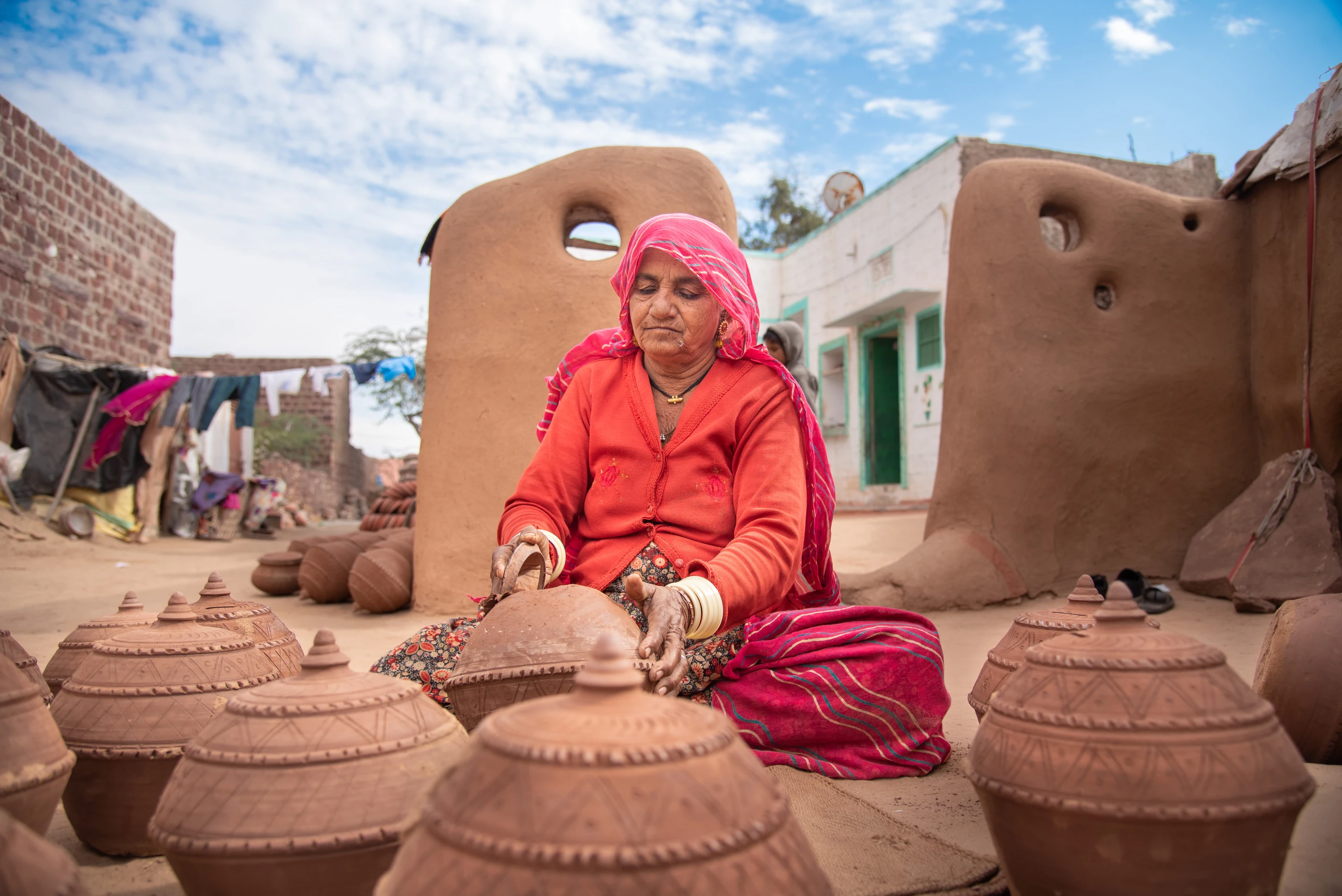
A woman in red shapes a clay vessel among large earthen pots in Pokaran, Rajasthan
Fair terms & purposeful production02

Maker-Led Commissions

Connect demand with a maker’s capacity through agreed commissions, clear prices and production that begins with a purpose.

A potter working with red clay in Pokaran, Rajasthan, India.
Contact Base (WB) · CC BY-SA 4.0

A brown ceramic drinking vessel with gold-coloured repaired cracks visible around its exterior and interior.
Longer use & skilled local work03

Repair as a Continuing Service

Keep suitable objects useful through care guidance, condition checks and paid repair by practitioners with the right skills.

A ceramic vessel repaired using kintsugi, photographed by Haragayato; photo location unspecified.
Haragayato · CC BY-SA 4.0

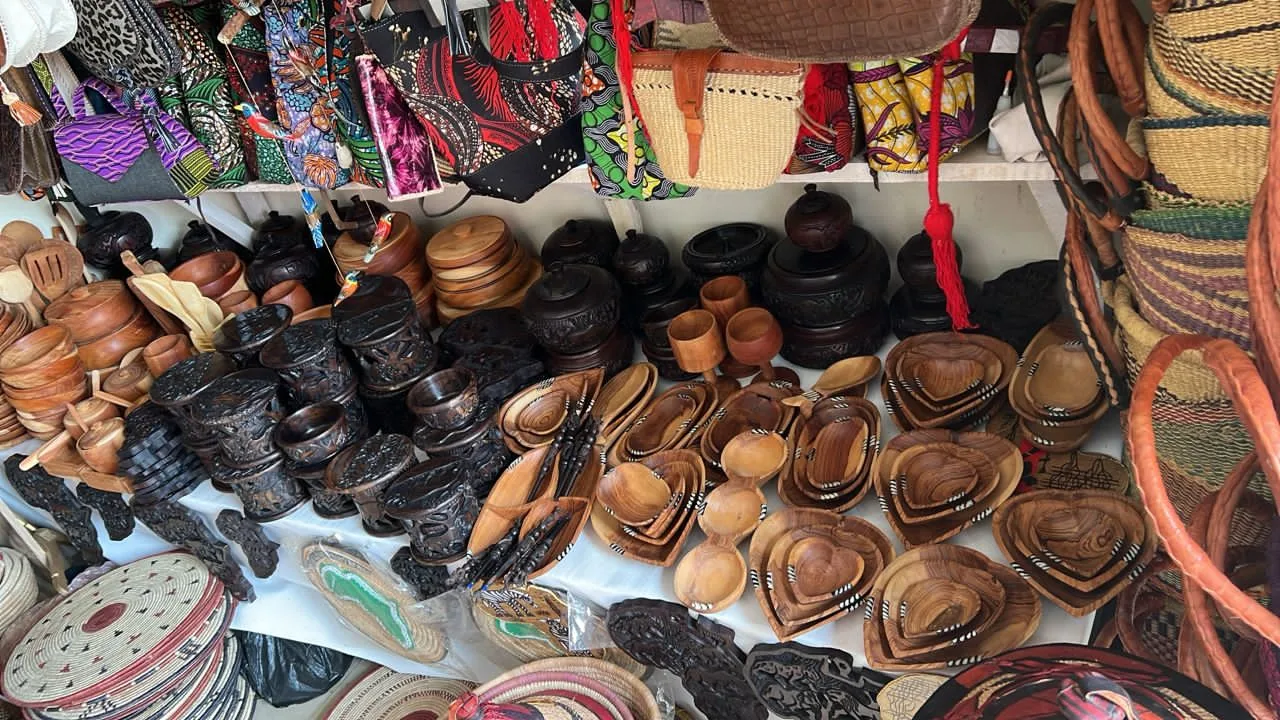
Handcrafted wooden bowls, trays, cups and spoons alongside woven baskets at Abuja Arts and Culture Village.
Useful access & shared upkeep04

Community Object Libraries

Explore shared access to suitable contemporary objects where borrowing can meet a real local need and upkeep can be managed.

Wooden utensils and baskets displayed in Abuja, Nigeria.
NiferO · CC BY-SA 4.0

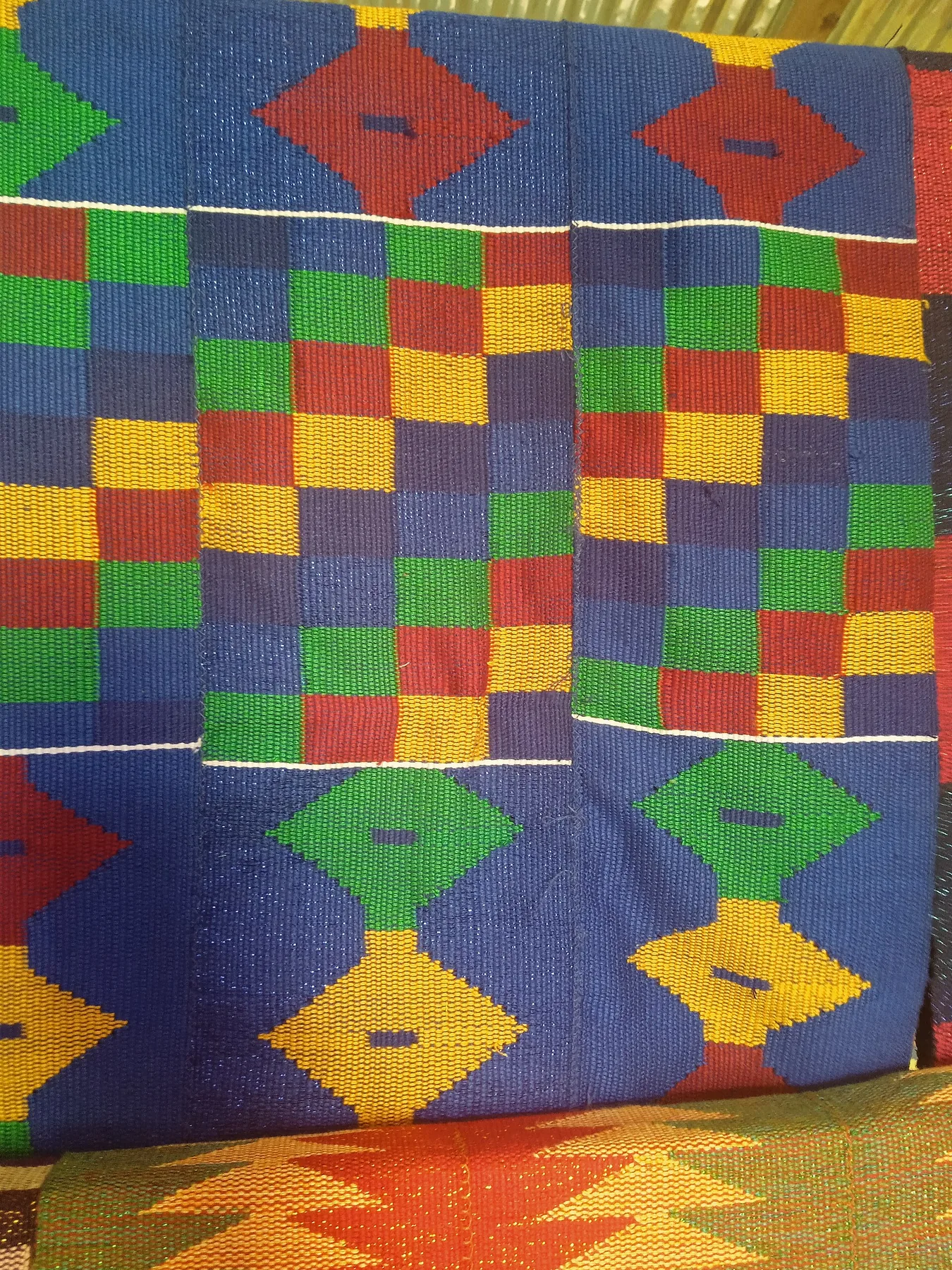
A close view of Tafi kente cloth with vivid red, blue, yellow and green geometric patterns.
Meaning, permission & paid interpretation05

Community-Approved Object Stories

Let makers and custodians shape how an object is understood, while agreed interpretation creates opportunities beyond a single sale.

A detail of kente cloth associated with Tafi, Ghana.
Warmglow · CC0 1.0

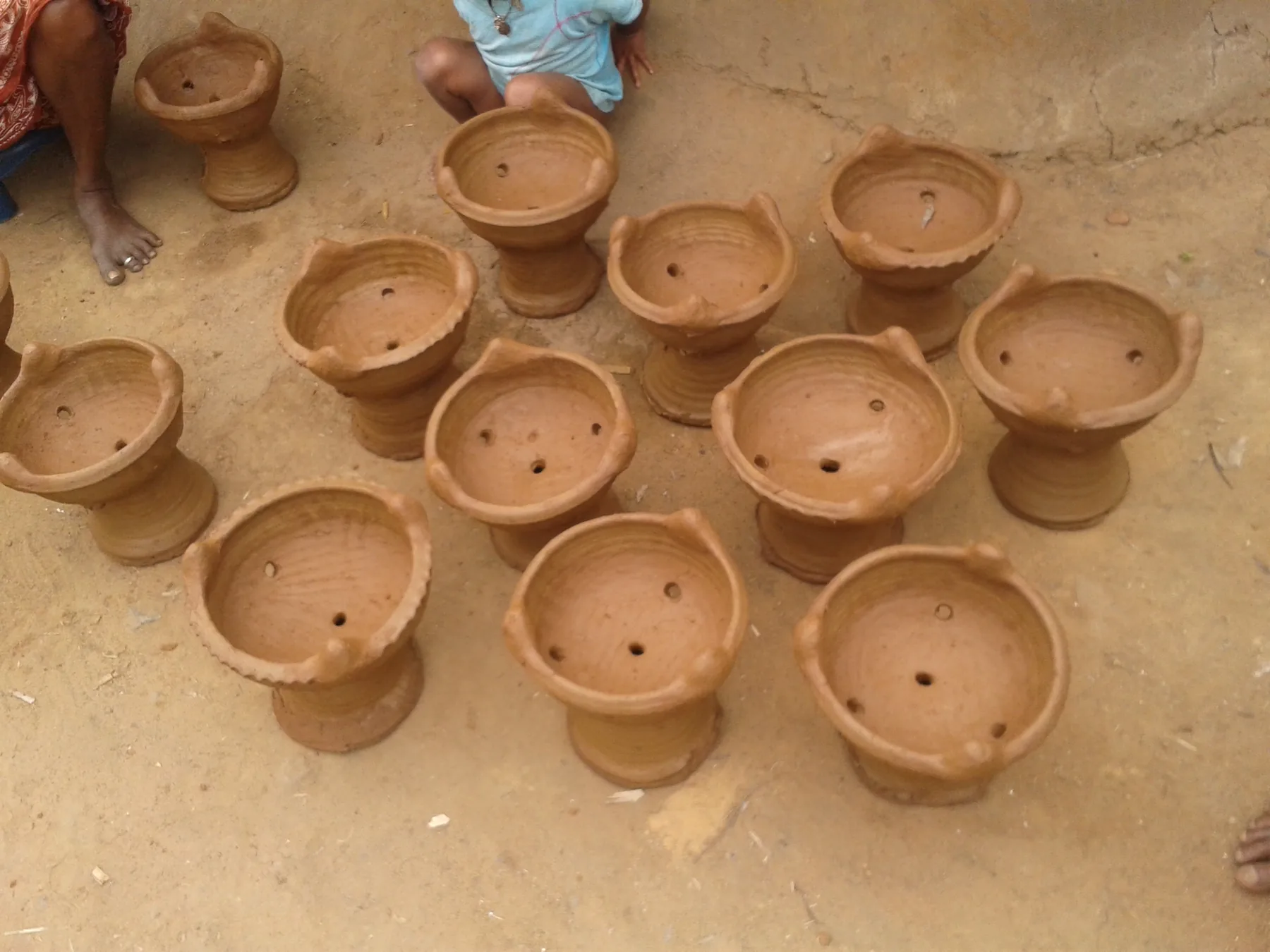
Rows of unglazed earthenware vessels with ventilation holes on the ground at Tantadi Village, India.
Useful material & a considered next life06

Material Return & Thoughtful Remaking

Plan an appropriate next life for eligible contemporary objects, starting with continued use and considering recovery only when suitable.

Pottery photographed in Tantadi, India.
Adityamadhav83 · CC BY-SA 3.0

One object can connect several opportunities: a well-documented commission can carry care guidance; a suitable repair can create paid work; an approved story can support learning long after the first exchange.

Forms worth understanding

Objects of everyday life.
Extraordinary human skill.

These credited documentary examples show different relationships between material, making and use. They illustrate the page’s themes; they are not items offered for sale.

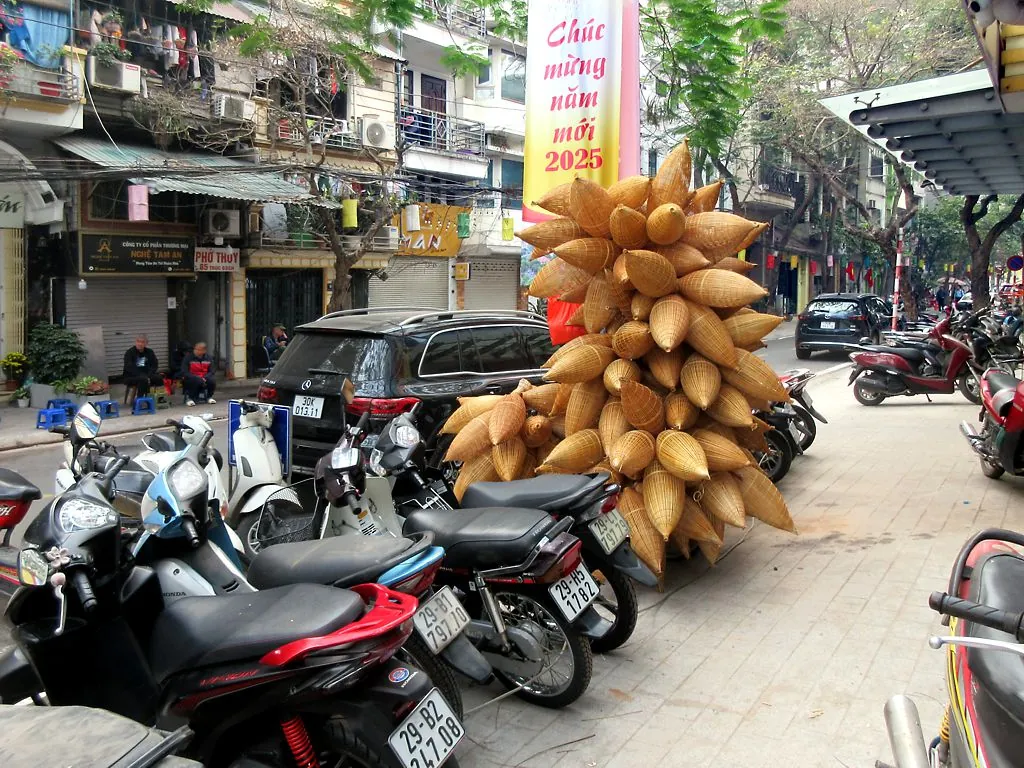
Handwoven bamboo fishing baskets stacked outside a shop in Hanoi, Vietnam.
Photo: David Stanley

Woven objects & everyday ingenuity

Baskets and other woven forms connect a material with a task. Understanding how an object is used helps makers, owners and repairers care for its structure.

Form follows living use

Photograph: bamboo fishing baskets, Vietnam.
Rows of unglazed earthenware vessels with ventilation holes on the ground at Tantadi Village, India.
Photo: Adityamadhav83

Ceramics & vessels

Clay vessels carry the marks of material, firing and handwork. Good records and suitable care can support their use, interpretation and continuing value.

Material, making & care

Photograph: pottery in Tantadi, India.
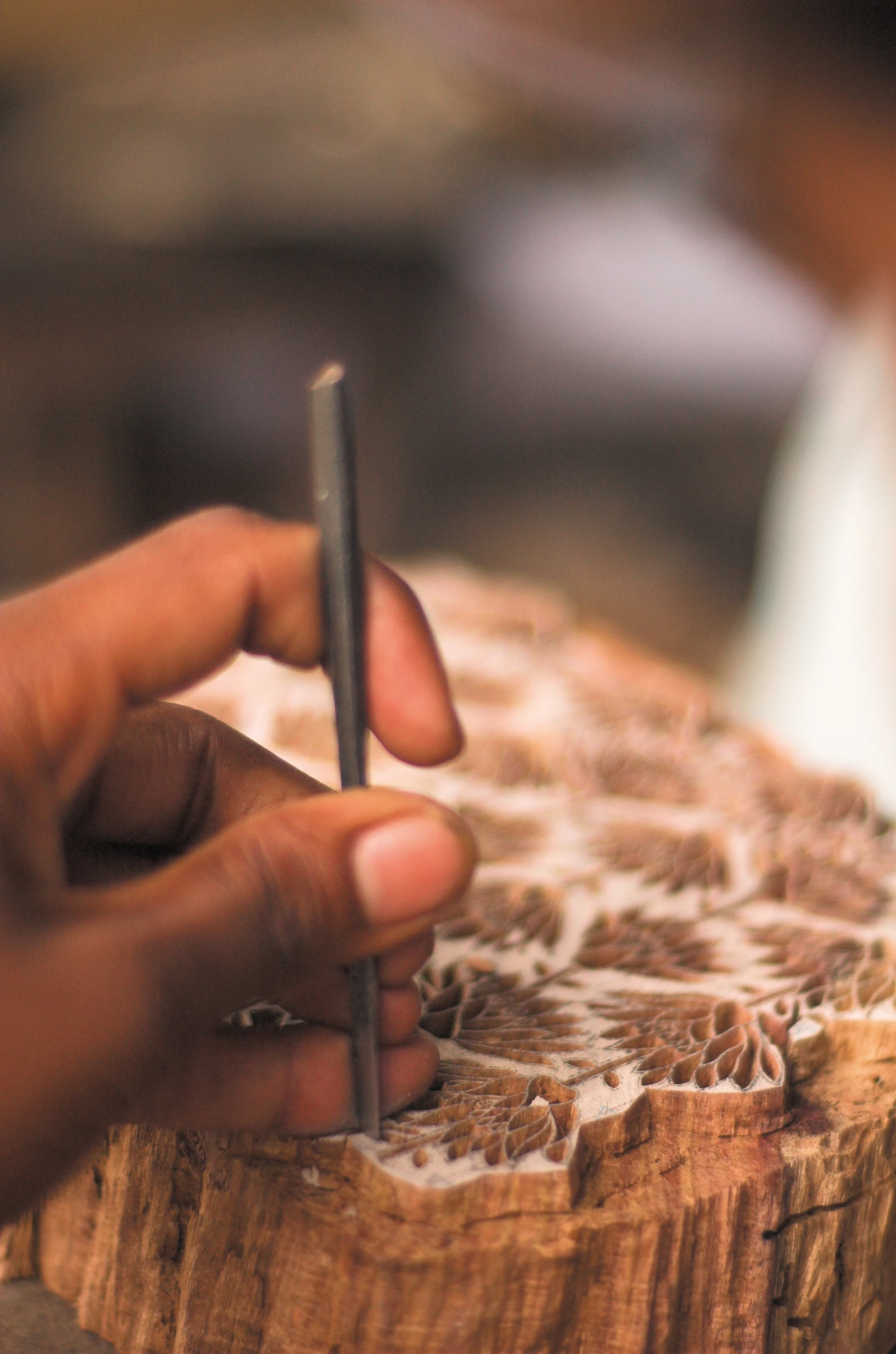
A close view of hands carving an intricate pattern into a wooden printing block
Photo: Ketayun, Katz

Carved forms & useful tools

A wooden printing block is both a designed object and a working tool. Credit, condition and maker knowledge matter alongside its decorative pattern.

Skill remains visible

Photograph: hand-carving a printing block, India.
A close view of Tafi kente cloth with vivid red, blue, yellow and green geometric patterns.
Photo: Warmglow

Textiles & cultural expression

Woven cloth brings together labour, pattern and cultural meaning. Makers and custodians should guide how it is described, commissioned and represented.

Context travels with the cloth

Photograph: a detail of kente associated with Tafi, Ghana.
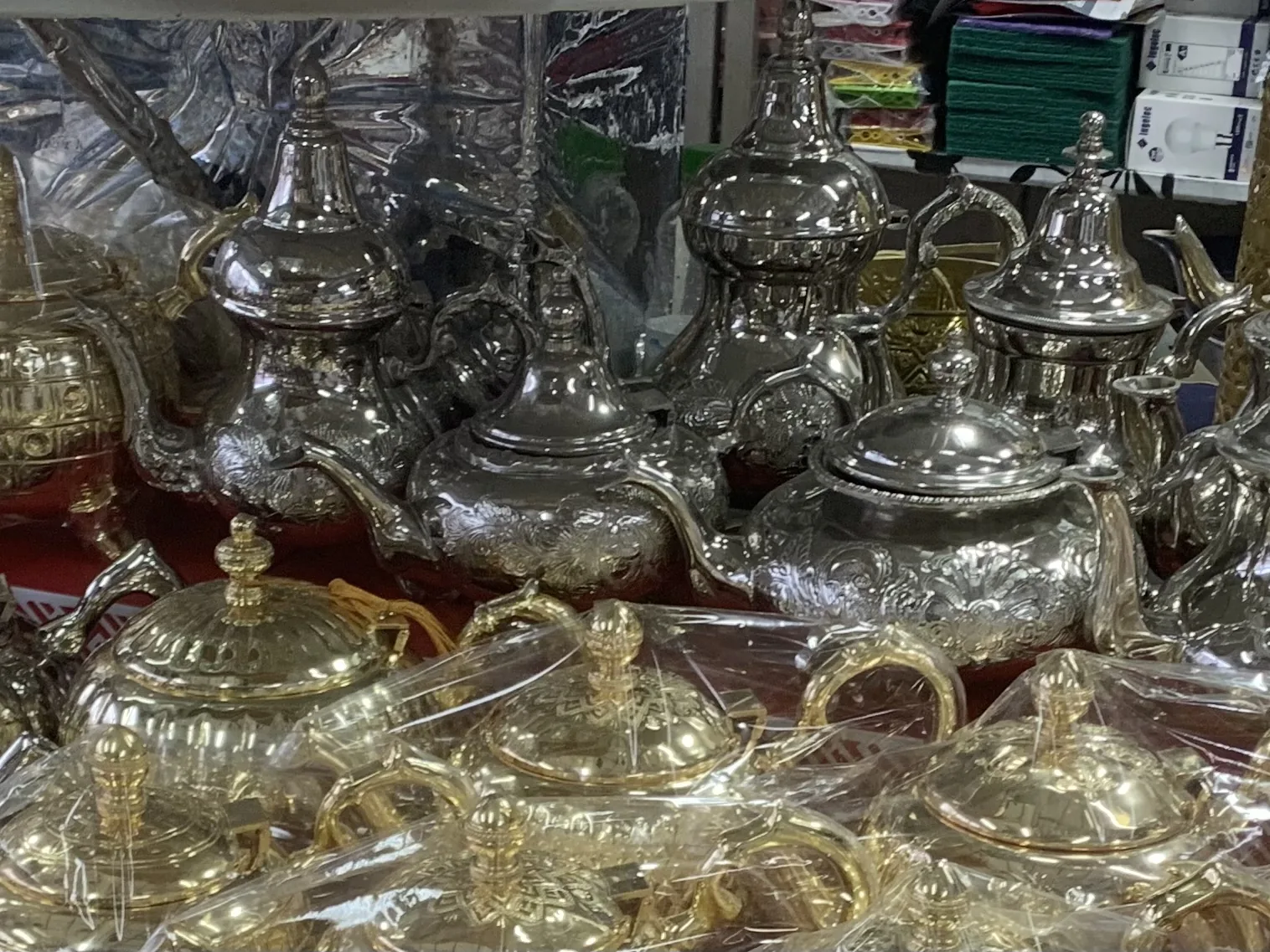
A close display of traditional Moroccan metal teapots with engraved surfaces and curved spouts.
Photo: Mazen Munaf Al-Shekhly

Metalwork & lasting utility

Durable utensils can hold value through repeated use and skilled care. Material identification and an appropriate maintenance plan help make that life possible.

Use, maintain & understand

Photograph: traditional Moroccan teapots; location unspecified.

Our guiding commitment: people connected to an object should help shape its description, care and opportunities. Maker payment, fees, permissions and responsibilities should be understandable.

Our Object Commitments

Care depends on the quality of the relationship.
Six commitments guide the object opportunities we intend to develop.

Honest records

Maker recognition

An object has people behind it. We intend to give visible credit to makers and acknowledge what a source does not establish.

In practice: verify attribution and let makers review their records.

Fair value

Read all six commitments

Maker recognition

An object has people behind it. We intend to give visible credit to makers and acknowledge what a source does not establish. In practice: verify attribution and let makers review their records.

Fair value

Payment should recognise skilled work and make costs understandable. Producers should have a voice in prices, timelines and terms. In practice: agree maker payment, fees and delivery terms in advance.

Continuing care

Value can grow through useful life and careful maintenance. A suitable repair should respect both function and meaning. In practice: provide appropriate care notes and qualified repair referrals.

Cultural respect

Public visibility does not make every story, form or use appropriate. The people connected to an object should guide its representation. In practice: agree permissions, interpretation and any access limits.

Material responsibility

Materials deserve thoughtful use, from production through later care. Reuse, repair and recovery should fit the object and local conditions. In practice: understand materials and assess a practical next-life plan.

Honest records

Good documentation distinguishes evidence from assumption. It should remain correctable as new knowledge or concerns emerge. In practice: record sources, uncertainty, changes and a review route.

What improvement would mean

Care you can follow.
Value people can share.

These are questions to assess when a pilot begins. The condition of objects and the experience of makers, owners and custodians would guide how progress is understood.

Maker income retained

The payment makers receive after materials, delivery and relevant service costs.

Useful life extended

Whether suitable maintenance or repair keeps an object in useful service.

Context preserved

The quality of maker credit, source evidence and locally approved interpretation.

Materials kept in use

Confirmed reuse and recovery, considered with transport, processing and contamination.

Terms people can trust

Clarity about prices, permissions, condition, lead times and who benefits.

Maker & custodian agency

Whether people can shape representation, accept opportunities and raise concerns.

A patterned Diné (Navajo) woven basket displayed at the UBC Museum of Anthropology.
Diné (Navajo) basket, photographed at UBC · Photo: Leoboudv

A record that stays with the object

Know what it carries.
Know how to care.

We intend to build object records that remain useful beyond a catalogue entry. Evidence, permission and care should be readable and open to correction.

Identity & evidence · Name, maker, material, technique and sources, with uncertainties acknowledged.

Meaning & permission · Locally approved context and the limits of sharing or use.

Condition & care · Dated photographs, suitable handling advice and a record of any repair.

Value & responsibility · Agreed fees, payment, ownership information and who can update the record.

Help shape an Objects pilot

From intention to a locally meaningful pilot

How We Intend to Work

Build the relationship, test a practical opportunity and review what changes with the people involved.

A close view of hands carving an intricate pattern into a wooden printing block
Photo: Ketayun, Katz

01 · Begin with the people and the object

Listen, identify & document

Understand the object, its maker, its use and its material. Review evidence and cultural context with the appropriate people, and agree what may be recorded or offered.

A woman in red shapes a clay vessel among large earthen pots in Pokaran, Rajasthan
Photo: Contact Base (WB)

02 · Make value and care practical

Agree one funded opportunity

Choose a manageable commission, documentation or care service. Set responsibilities, payment, permissions, costs and a realistic timetable before a pilot begins.

Handwoven bamboo fishing baskets stacked outside a shop in Hanoi, Vietnam.
Photo: David Stanley

03 · Keep the record and relationship open

Review use, income & meaning

Review object condition, maker income, material use and participant experience. Correct the record when needed and decide together what should continue or change.

Clarity before an object opportunity

Questions worth
asking before exchange.

Good object opportunities begin with evidence, appropriate permission and terms the people involved can understand.

Are the pictured objects available to buy?

The real, credited photographs illustrate objects and craft practices. They are not presented as Oyolima inventory, owned collection items or partner products. The concepts describe opportunities we intend to develop.

How would makers and communities benefit?

Depending on the pilot, income could come from agreed commissions, documentation, interpretation, repair or local coordination. Prices and fees would explain who is paid, for what work and on what terms.

Would every object be suitable for commerce or sharing?

Eligibility would depend on ownership evidence, cultural context, condition and appropriate permissions. A museum or culturally sensitive object may call for documentation and specialist care rather than a commercial offer.

How could I propose an object or a maker-led pilot?

Use the Oyolima contact page to describe the object, your relationship to it and a practical opportunity. A pilot would need willing participants, relevant evidence and permissions, resources and a way to review outcomes.

Begin with an object that matters.

Bring a maker’s idea, an object story or a practical care challenge. A lasting opportunity starts with understanding the people and meaning behind it.

Photography & References

Real documentary photographs illustrate objects and craft practice. Depicted objects are not presented as Oyolima-owned items or products for sale, and makers or museums are not presented as partners. Sources, photographers and licences appear below; photographic adaptations retain those licences.

Diné (Navajo) basket

Museum of Anthropology, University of British Columbia, Vancouver, Canada

Credit: Leoboudv

Licence: CC BY-SA 3.0

Original photograph & source record ↗

Resized and compressed to WebP. Photographs may be cropped in display; photographic adaptations retain the source licence.

Precision, taught by hand

Anokhi hand-block printing, India

Credit: Ketayun, Katz

Licence: CC BY-SA 4.0

Original photograph & source record ↗

Resized and compressed to WebP. Photographs may be cropped in display; photographic adaptations retain the source licence.
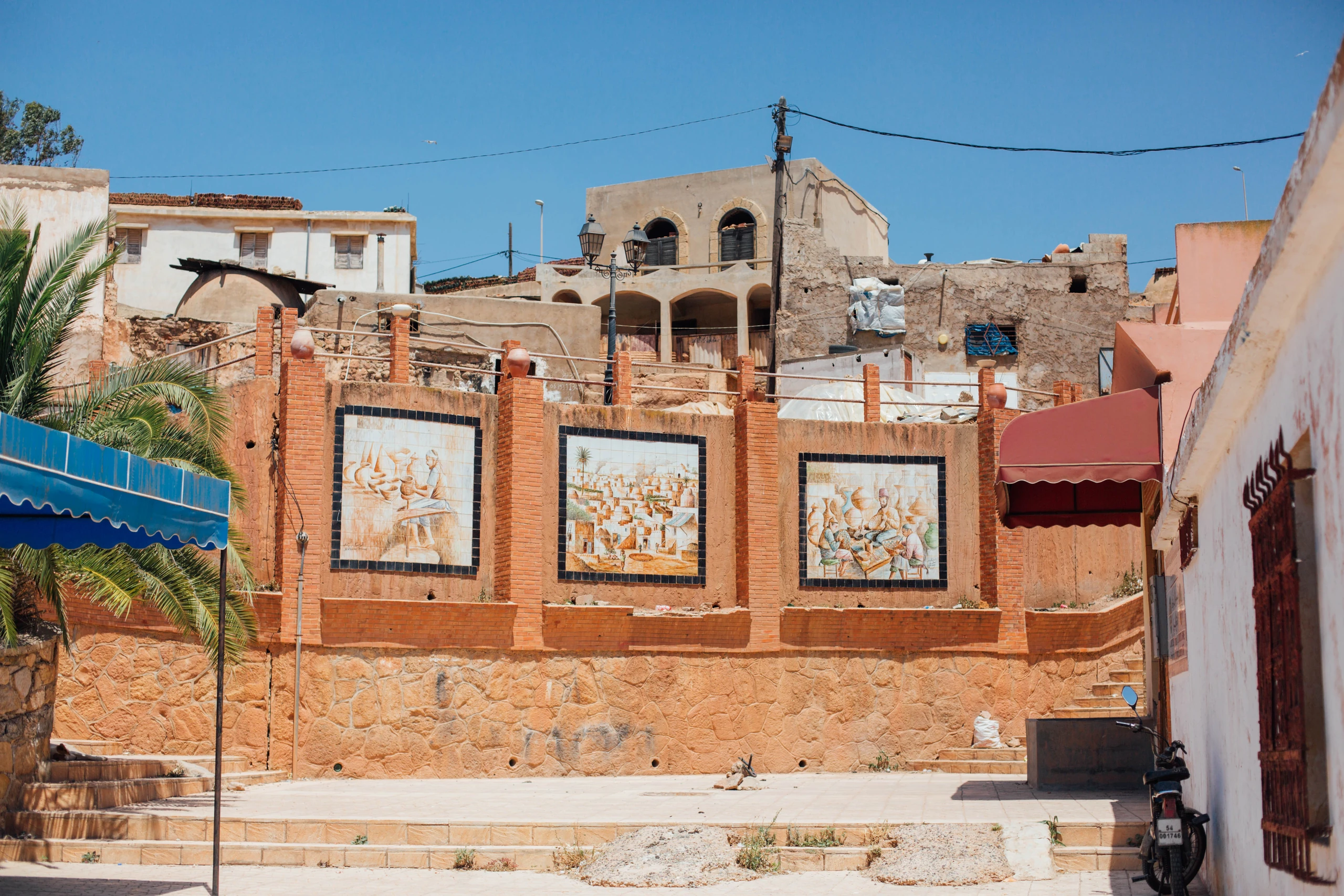
Red-clay pottery in Pokaran

Pokaran, Rajasthan, India

Credit: Contact Base (WB)

Licence: CC BY-SA 4.0

Original photograph & source record ↗

Resized and compressed to WebP. Photographs may be cropped in display; photographic adaptations retain the source licence.
Earthenware at Tantadi

Tantadi Village, Visakhapatnam district, India

Credit: Adityamadhav83

Licence: CC BY-SA 3.0

Original photograph & source record ↗

Resized and compressed to WebP. Photographs may be cropped in display; photographic adaptations retain the source licence.
Hand-carved utensils in Abuja

Abuja Arts and Culture Village, Nigeria

Credit: NiferO

Licence: CC BY-SA 4.0

Original photograph & source record ↗

Resized and compressed to WebP. Photographs may be cropped in display; photographic adaptations retain the source licence.
Traditional Moroccan teapots

Shop display; precise photograph location not specified in source

Credit: Mazen Munaf Al-Shekhly

Licence: CC BY-SA 4.0

Original photograph & source record ↗

Resized and compressed to WebP. Photographs may be cropped in display; photographic adaptations retain the source licence.
Kente cloth from Tafi

Tafi, Volta region, Ghana (cloth source)

Credit: Warmglow

Licence: CC0 1.0

Original photograph & source record ↗

Resized and compressed to WebP. Photographs may be cropped in display; photographic adaptations retain the source licence.
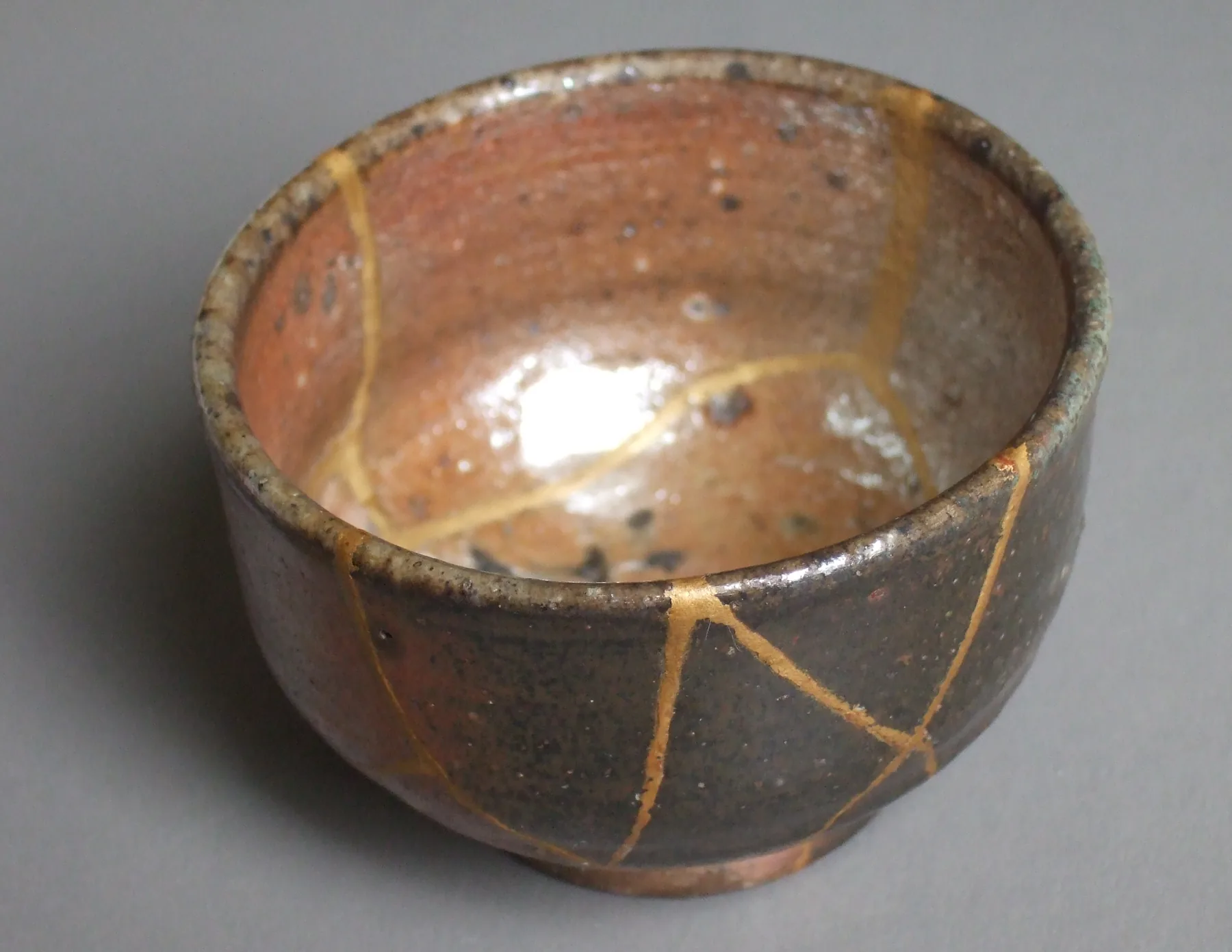
A ceramic vessel repaired with kintsugi

Photograph location not specified in source; illustrates the Japanese practice of kintsugi

Credit: Haragayato

Licence: CC BY-SA 4.0

Original photograph & source record ↗

Resized and compressed to WebP. Photographs may be cropped in display; photographic adaptations retain the source licence.
Foundations for the intended concepts

These resources inform object documentation, circular use and fair trading principles. The six concepts are intended Oyolima designs; the institutions listed do not certify or endorse this page.

ICOM — Cultural object documentation and the Object ID standard ↗Ellen MacArthur Foundation — Circular economy principles ↗World Fair Trade Organization — Fair trade principles ↗Design reference — Reliance Industries Limited, About ↗

Oyolima’s approved logo is used with original page text. Playfair Display is distributed under the SIL Open Font License included with the assets.

What would you like to explore?

Intended concept · Identity, context & continuing care

Living Provenance Passports

A readable object record that connects maker recognition, material knowledge, cultural context and a history of care. This concept would be developed with willing participants and appropriate local partners.

The mechanism

An optional printed label or QR link could connect an eligible object with photographs, its maker or acknowledged unknowns, materials, technique, permissions and a dated repair history. Makers and custodians would review the record. Public interpretation would remain separate from private ownership documents and restricted cultural knowledge.

Where resources could come from

An agreed documentation fee, a transparent service charge on eligible commissions or a collection partner could cover the work of local record-makers and periodic updates.

Who would decide

Makers, owners and appropriate cultural custodians would decide wording, access, language and permitted uses. An object record would support traceability; it would not by itself prove authenticity or ownership.

How people could benefit

Makers can receive visible credit, owners can find useful care information, and local documentation work can be paid. Context need not disappear when an object changes hands.

A first pilot

Create a small set of records with willing makers of contemporary objects. Check the evidence, permissions and usefulness of each record before publication.

What we would check

Record completeness; acknowledged uncertainties; maker approval; correction time; use of care information; income paid for documentation.

Intended concept · Fair terms & purposeful production

Maker-Led Commissions

Connect demand with a maker’s capacity through agreed commissions, clear prices and production that begins with a purpose. This concept would be developed with willing participants and appropriate local partners.

The mechanism

A maker could offer a small, clearly described commission window with a realistic lead time, material specification and agreed order limit. Where appropriate, a buyer deposit could support production. Samples and maker-approved descriptions would help people understand natural variations in handwork.

Where resources could come from

The agreed price would identify maker payment, materials, packaging, delivery and any platform fee. Deposit, cancellation and refund terms would be explained before an order is accepted.

Who would decide

Makers would choose which objects to offer, how many to produce, their prices and their working timetable. Cultural custodians would guide any relevant restrictions on forms or imagery.

How people could benefit

Makers could plan around real demand, receive agreed payment and retain authority over their work. Buyers could commission something useful without encouraging speculative stock.

A first pilot

Test one small commission series with willing makers, a costed price and a manageable group of buyers. Review both payment and delivery experience.

What we would check

Maker income after costs; payment timeliness; delivery reliability; unsold stock; material use; maker and buyer satisfaction.

Intended concept · Longer use & skilled local work

Repair as a Continuing Service

Keep suitable objects useful through care guidance, condition checks and paid repair by practitioners with the right skills. This concept would be developed with willing participants and appropriate local partners.

The mechanism

A care note could accompany an eligible object, with an optional repair referral or scheduled condition review. A practitioner would assess the material, function and limits of repair before work begins. Repair records would document what changed; heritage conservation and food-contact suitability would need appropriate specialist assessment.

Where resources could come from

Clearly priced assessment and repair services could pay practitioners for their time. Any optional care plan would explain its coverage, limits and charges before purchase.

Who would decide

Owners and qualified practitioners would agree the purpose and extent of work. Makers or cultural custodians would be consulted where the object’s meaning or technique calls for it.

How people could benefit

Useful objects can remain in service, repair skills can earn income, and owners can understand how to care for what they keep.

A first pilot

Choose a small group of contemporary objects with known materials and assess whether local repair is technically suitable and economically practical.

What we would check

Objects returned to useful service; repair cost; follow-up condition; practitioner income; material use; cases where repair is unsuitable.

Intended concept · Useful access & shared upkeep

Community Object Libraries

Explore shared access to suitable contemporary objects where borrowing can meet a real local need and upkeep can be managed. This concept would be developed with willing participants and appropriate local partners.

The mechanism

A small locally managed library could lend robust, appropriate objects for agreed uses such as workshops, demonstrations or community events. Each item would have a condition record, booking rules and a care routine. Personal, fragile or culturally restricted objects would only be considered where their custodians explicitly approve the use.

Where resources could come from

Affordable membership or borrowing fees, suitable institutional subscriptions or support for a pilot could pay local coordinators and maintenance practitioners.

Who would decide

Local participants and owners would choose eligible objects, access rules, charges, handling guidance and responsibilities for damage or loss.

How people could benefit

People could access useful objects without each household buying one. Owners and coordinators could receive agreed income while care remains visible.

A first pilot

Start with one small set of replaceable contemporary objects, a willing host and a clearly identified local need. Cost cleaning, storage and upkeep before lending.

What we would check

Useful borrowing cycles; accessibility; condition after use; operating cost; local income; whether sharing actually substitutes for additional purchases.

Intended concept · Meaning, permission & paid interpretation

Community-Approved Object Stories

Let makers and custodians shape how an object is understood, while agreed interpretation creates opportunities beyond a single sale. This concept would be developed with willing participants and appropriate local partners.

The mechanism

An eligible object could anchor a maker-led demonstration, locally reviewed exhibition note or commissioned learning resource. Agreements would specify attribution, intended use, payment and review. Ownership of the physical object would remain separate from permission to reproduce designs, images or cultural accounts.

Where resources could come from

Paid interpretation commissions, agreed educational use or suitable exhibition work could support makers, local researchers and cultural custodians. Fees and benefit-sharing would be negotiated for each use.

Who would decide

The relevant makers, knowledge holders and custodians would decide what may be shared, who speaks, what remains private and how commercial use is handled.

How people could benefit

An object can create continuing paid opportunities for interpretation and learning while its context remains under the care of the people connected to it.

A first pilot

Commission one maker-approved object story or demonstration with an agreed audience, access level, payment and review date.

What we would check

Attribution accuracy; custodian approval; income paid; permissions respected; audience understanding; correction or withdrawal requests.

Intended concept · Useful material & a considered next life

Material Return & Thoughtful Remaking

Plan an appropriate next life for eligible contemporary objects, starting with continued use and considering recovery only when suitable. This concept would be developed with willing participants and appropriate local partners.

The mechanism

A maker-approved return arrangement could assess an unwanted or damaged contemporary object for reuse, repair, careful remaking or material recovery. A simple material record would help assess finishes, contamination and feasible local processes. Heritage, culturally sensitive and unverified objects would need a different care decision rather than routine processing.

Where resources could come from

A separately explained service charge, agreed recovered-material value or a suitable producer partnership could fund collection, assessment and local processing. Logistics would be costed before the scheme begins.

Who would decide

Owners, makers, relevant custodians and competent material practitioners would decide which objects qualify and what can safely and appropriately happen to them.

How people could benefit

Useful material can remain available, local practitioners can earn from suitable recovery work, and buyers can receive a practical plan for an object’s later life.

A first pilot

Test one well-understood material stream with known finishes, short transport distances and a confirmed local reuse or recovery pathway.

What we would check

Objects reused or repaired first; material recovered; contamination; transport and processing costs; local income; confirmed demand for recovered material.