OyolimaOyolima

Community-led   ·   Living heritage   ·   Sustainable places

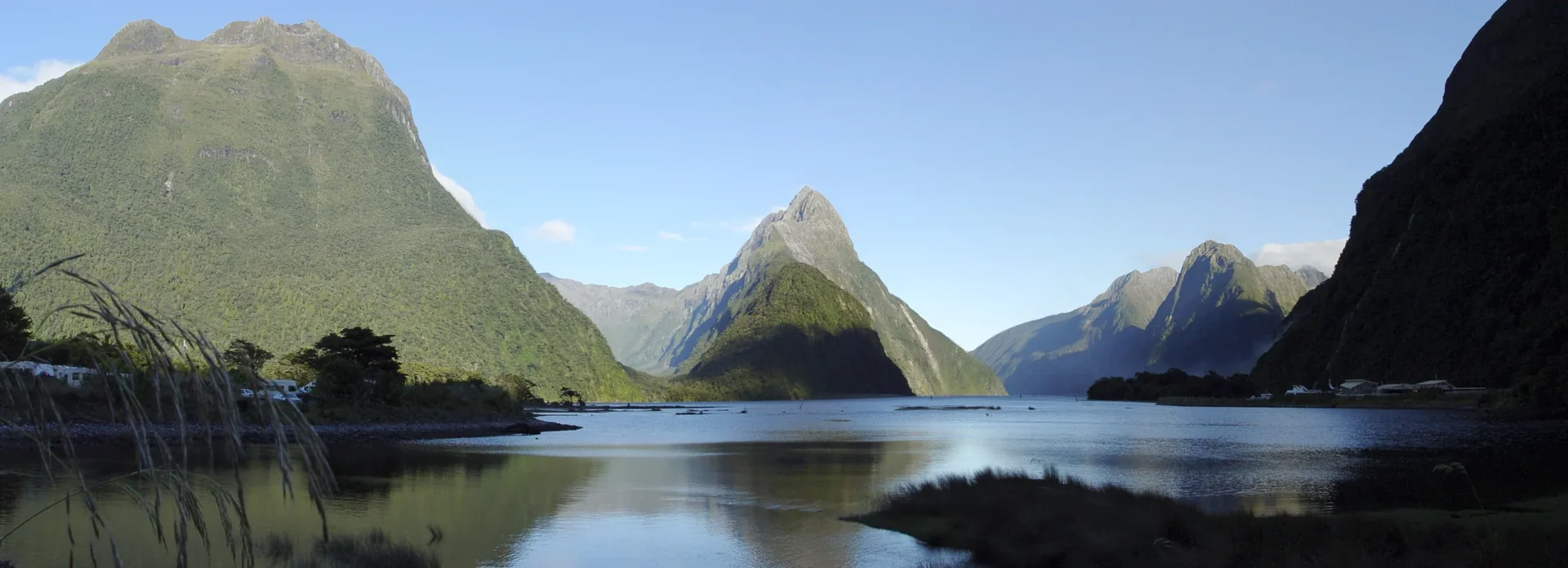
Mitre Peak rises above deep blue water at Milford Sound in New Zealand.

Places

Living places. Shared futures.

Milford Sound, New Zealand · Water, mountains and a living landscape.

01 / 03

“Living places. Shared futures.”

We intend to help communities care for the places that sustain them — connecting cultural meaning, ecological health and locally directed opportunity.

A place holds more than a view. It carries work, memory, resources, relationships and everyday life. Its value grows from how these connections are understood and cared for.

Oyolima’s Places pathway brings discovery together with practical improvement: thoughtful visitation, paid stewardship, reliable local services, careful heritage reuse and shared evidence for decisions.

A better place should be better for its people.

Our ambition is to strengthen the condition of a place and the lives connected to it. Local priorities, cultural meaning and ecological limits should shape what improvement looks like.

Useful services, careful maintenance and meaningful local benefit belong alongside a good visitor experience.

Explore our intended concepts

Tegalalang rice terraces, Bali, Indonesia · Freddy eduardo · CC BY-SA 4.0

Our intended place-improvement concepts

Better places.
Locally shaped.

Six concepts for local co-design. Each would begin with an assessed, funded pilot and a clear way to review its effects.

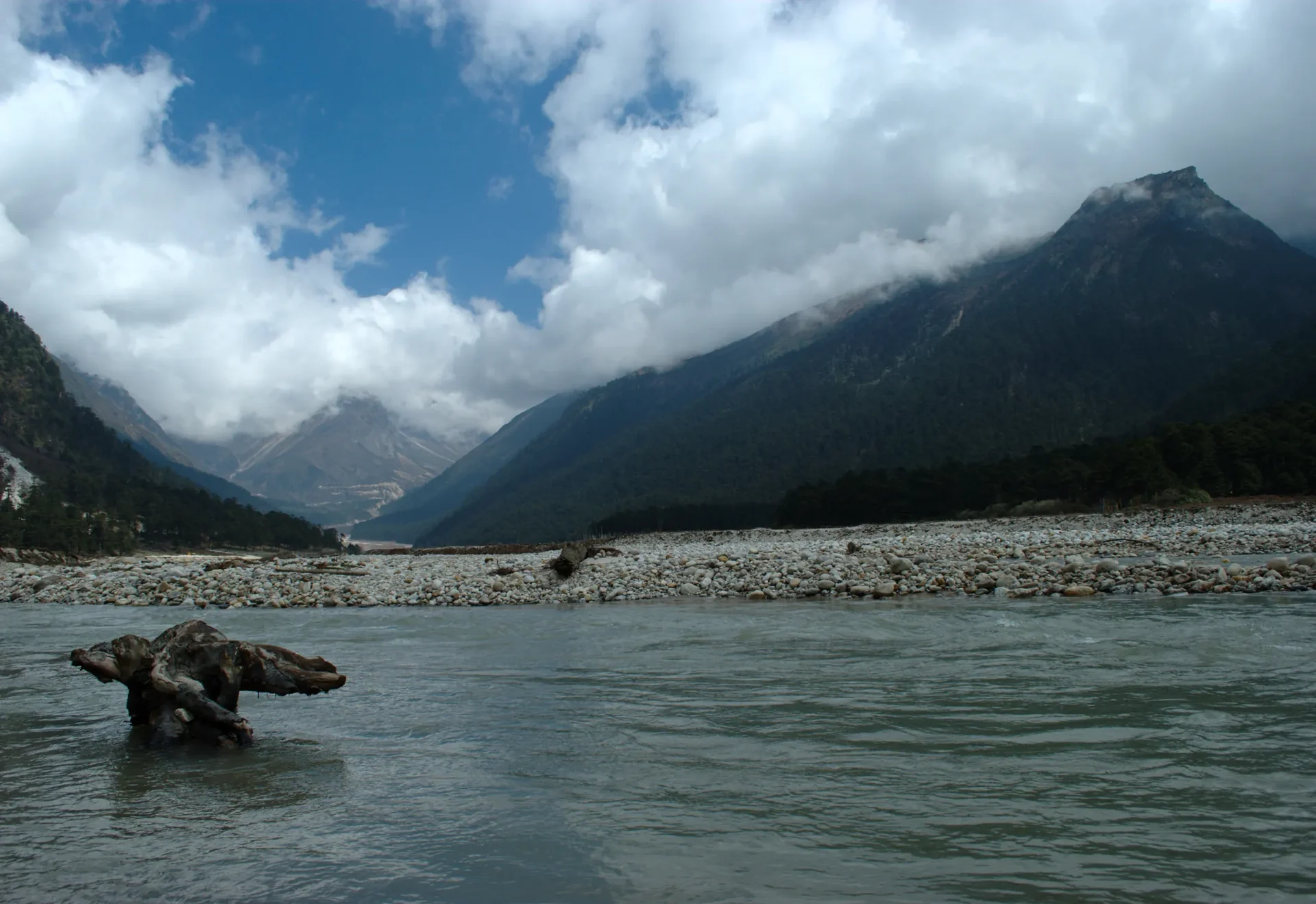
Green mountains and river valley beneath clouds in Sikkim, India.
Local discovery & local benefit01

Community-Led Visitor Routes

Locally chosen routes, small-group encounters and paid guides that respect daily life and seasonal limits.

A river valley in Sikkim, India.
Pradeep Kumbhashi · CC BY 2.0

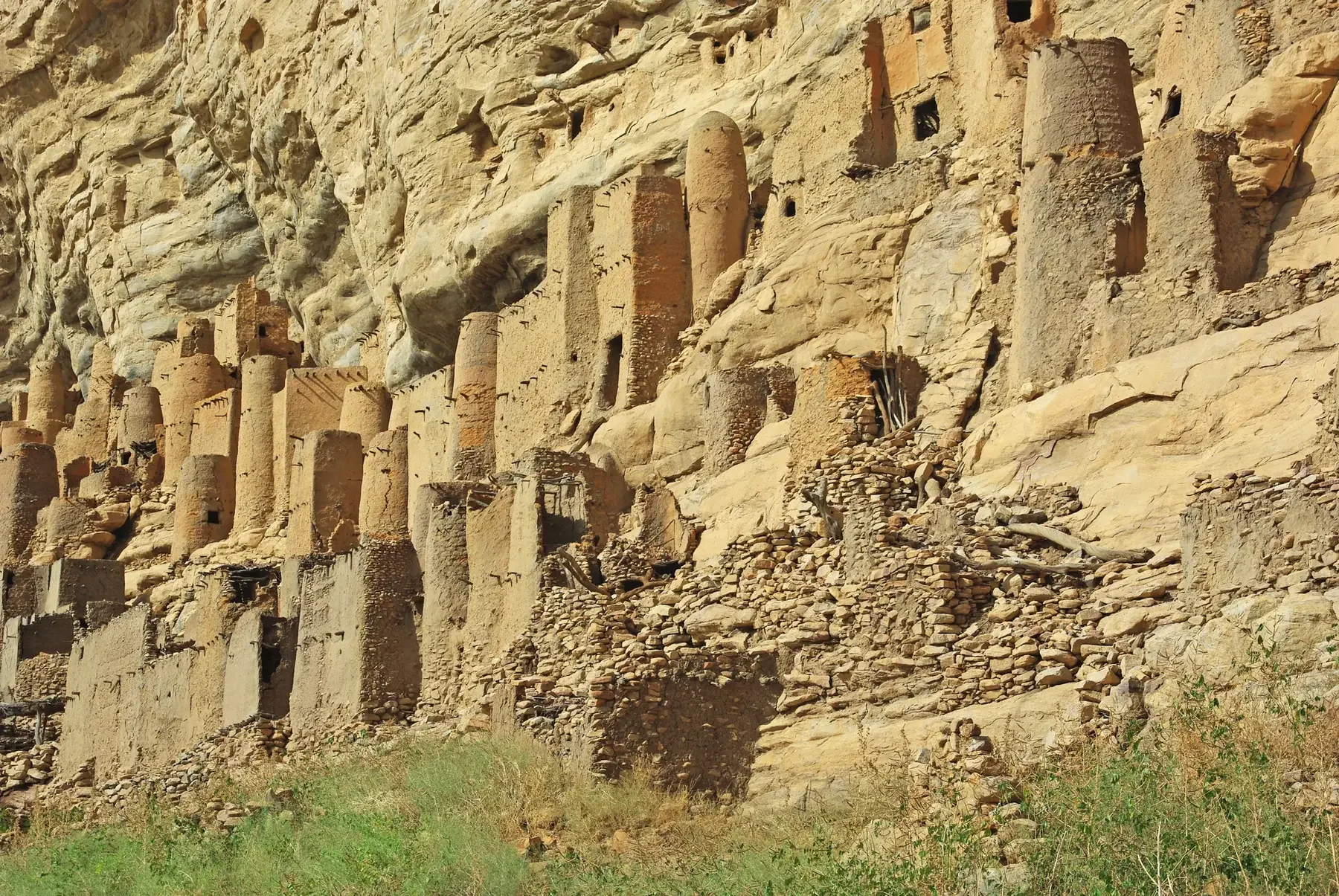
Earthen cliff dwellings and granaries in the Bandiagara escarpment of Mali.
Care financed by agreed value02

A Local Stewardship Fund

Make a clear, agreed contribution to place care part of suitable visitor experiences and local services.

Historic cliff architecture at the Bandiagara escarpment, Mali.
Kirua · CC BY-SA 3.0
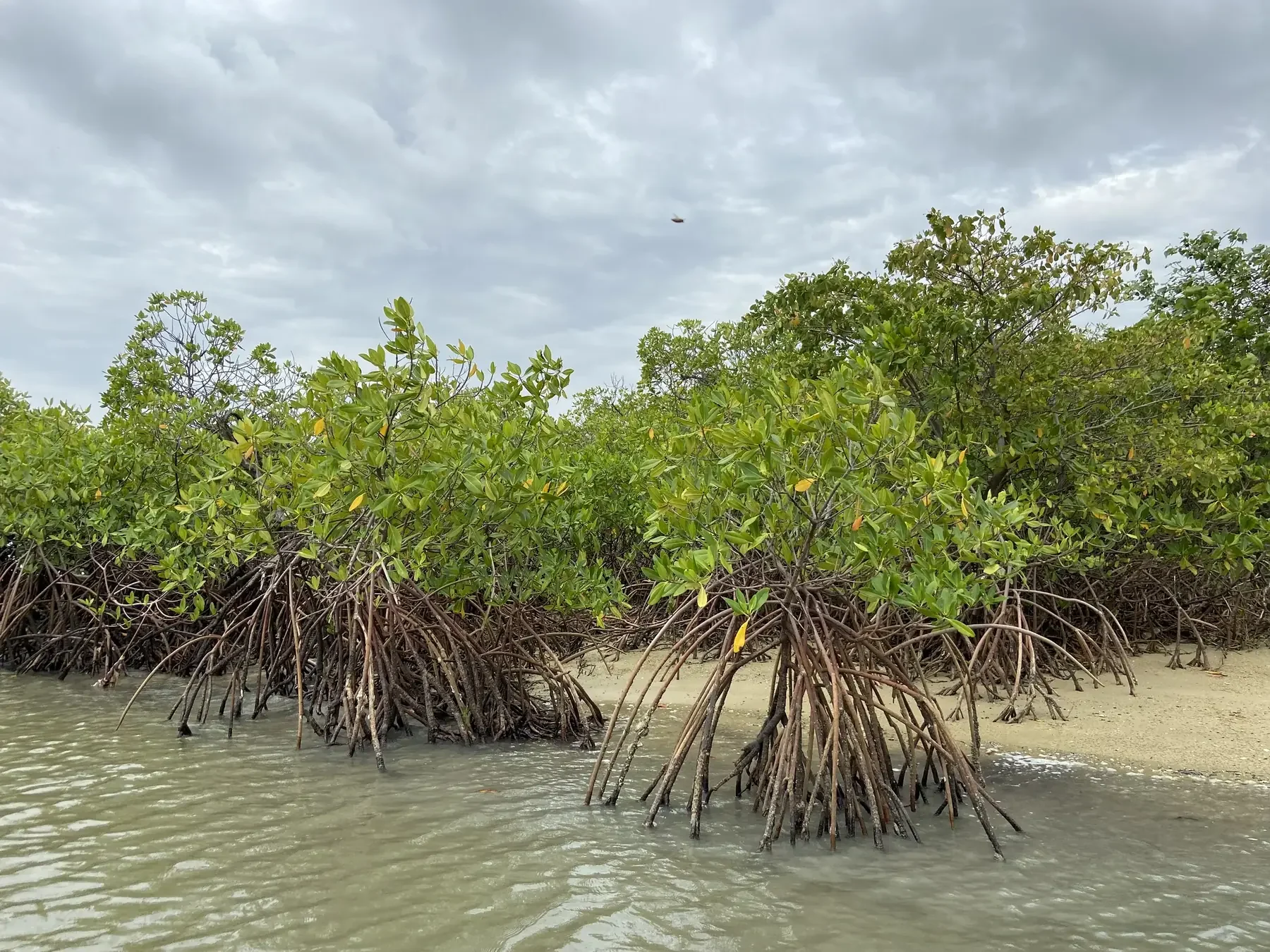
Mangrove trees along the water of Senegal’s Saloum Delta.
Water, habitat & everyday resilience03

Living Water & Landscape Care

Connect local knowledge with site-appropriate care for waterways, habitats and the resources a place depends on.

Mangroves along the Saloum Delta, Senegal.
Fatimetouu · CC BY-SA 4.0
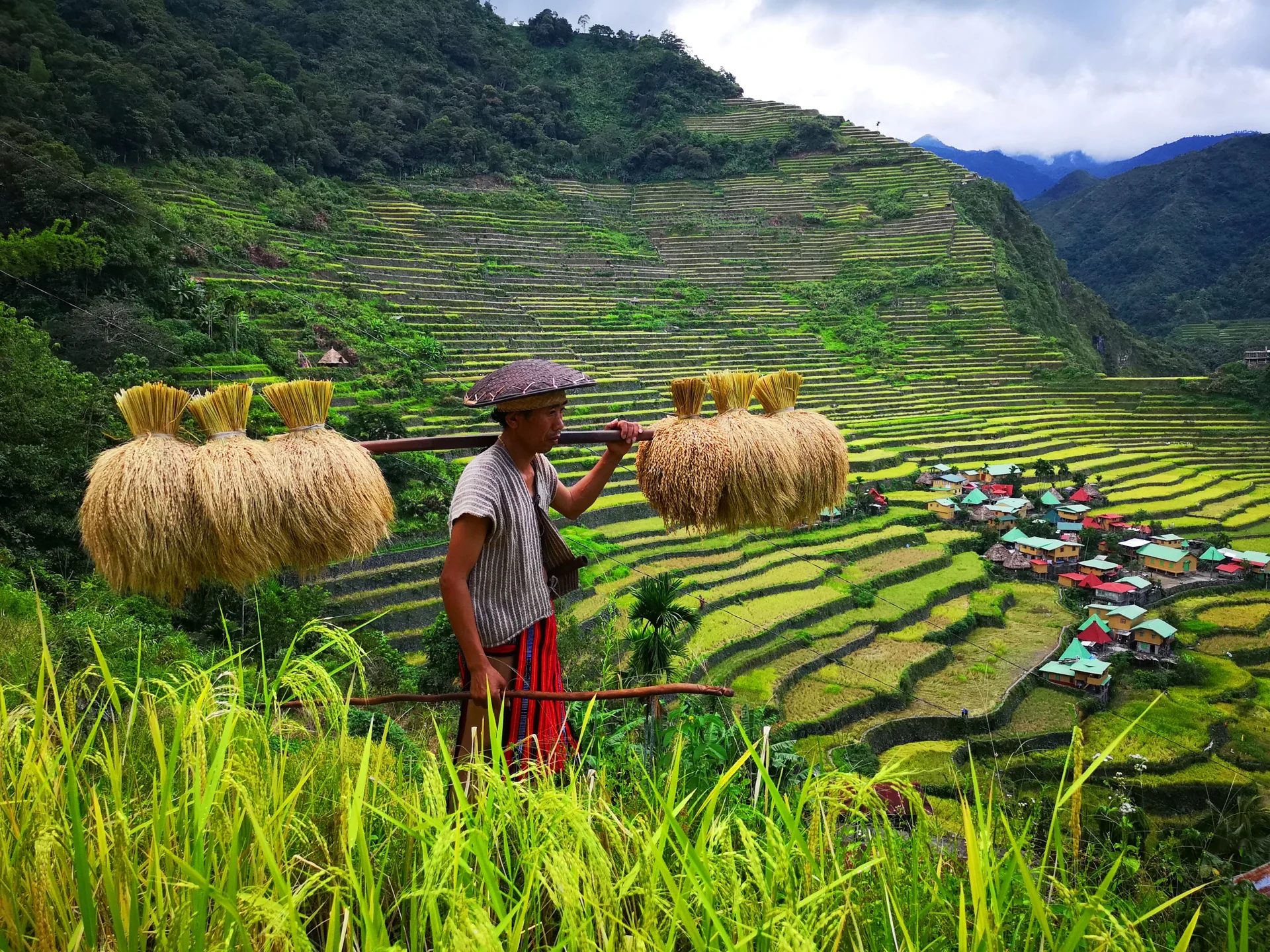
A farmer carries harvested rice beside the green mountain terraces of Batad in the Philippines
Useful infrastructure, cared for locally04

Local Service & Repair Hubs

Improve everyday and visitor services through locally managed facilities with a practical maintenance model.

A farmer in the rice terraces of Batad, Philippines.
Ranieljosecastaneda · CC BY-SA 4.0
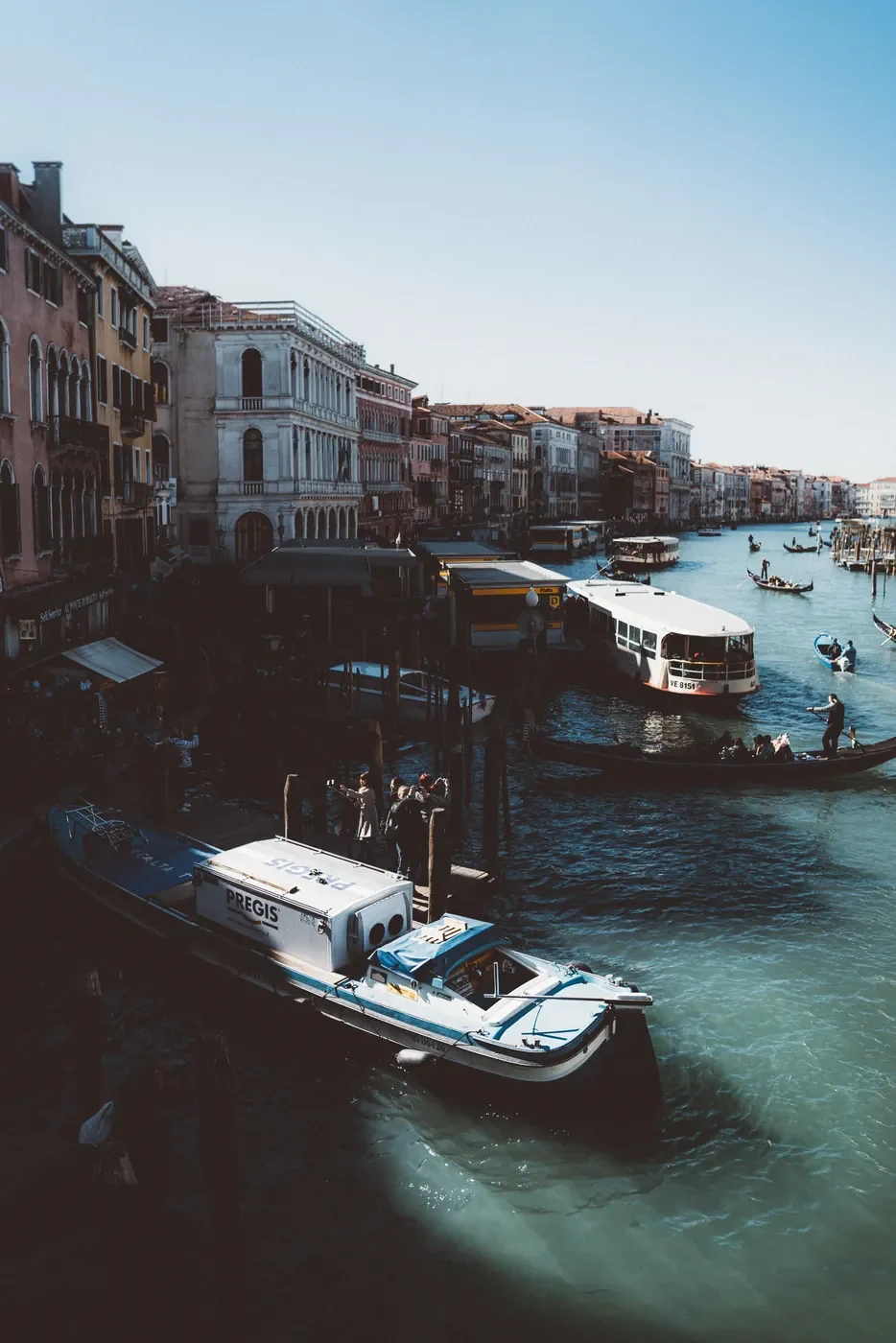
Historic Venetian buildings and a boat reflected in the water of the Grand Canal, Italy.
Cultural meaning & thoughtful reuse05

Heritage, Kept in Use

Explore appropriate reuse and repair of existing spaces while respecting their meaning, condition and custodians.

Historic buildings beside Venice’s Grand Canal, Italy.
Joshua Newton · CC0 1.0
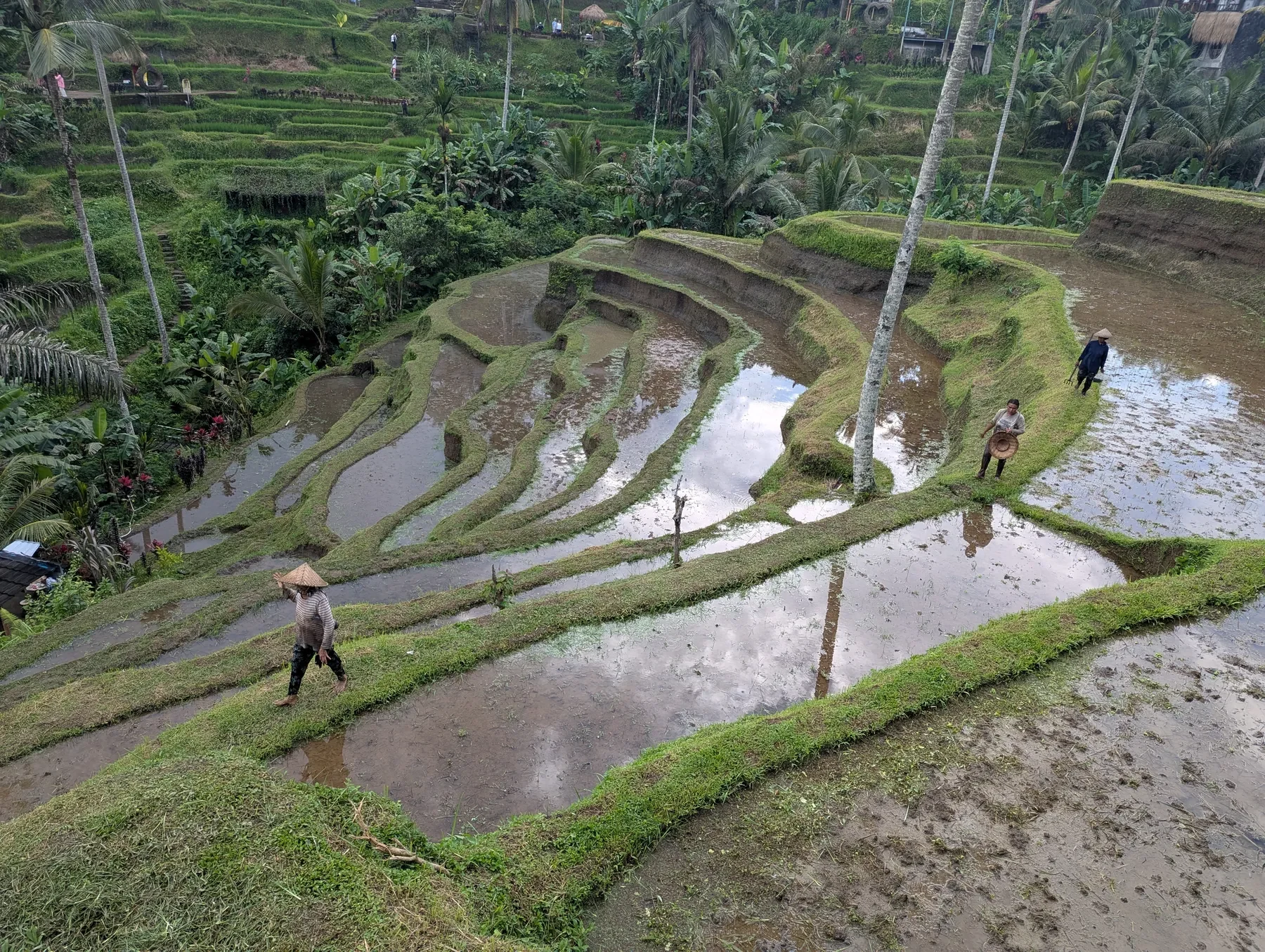
Layered green rice terraces and palms in Tegalalang, Bali, Indonesia.
Local evidence & shared decisions06

A Community Atlas of Change

Create a locally owned record of priorities, seasons and changes that helps people choose what should happen next.

The rice terraces of Tegalalang, Bali, Indonesia.
Freddy eduardo · CC BY-SA 4.0

These concepts can reinforce one another: a locally guided visit can contribute to place care; a useful service can support residents and visitors; a community record can help identify what needs attention next.

The places we want to understand

Places worth knowing.
Places worth caring for.

Different places need different forms of care. Their character, local use and living systems guide what should happen.

A farmer carries harvested rice beside the green mountain terraces of Batad in the Philippines
Photo: Ranieljosecastaneda

Living cultural landscapes

Working landscapes connect production, knowledge and everyday care. Improvements should support the people and practices that keep them living.

Continuity & livelihood

Understand seasonal rhythms and local work.
Earthen cliff dwellings and granaries in the Bandiagara escarpment of Mali.
Photo: Kirua

Heritage places & settlements

Historic architecture and places of meaning need careful interpretation, qualified conservation and respect for their custodians.

Meaning & condition

Care follows the character of the place.

A dense bamboo forest with green stems and a branching tree in the foreground
Photo: Heath Cajandig

Forests & resource landscapes

Forests and local material sources support ecological functions and livelihoods. Access, regeneration and care need locally appropriate decisions.

Regeneration & access

Resource use should be considered with continuing care.
Mangrove trees along the water of Senegal’s Saloum Delta.
Photo: Fatimetouu

Coasts, waterways & wetlands

Water settings connect habitat, local work and movement. Their improvement needs site-specific knowledge and appropriate permissions.

Healthy living systems

Assess habitat and water alongside local priorities.
Mitre Peak rises above deep blue water at Milford Sound in New Zealand.
Photo: Maros Mraz (Maros)

Places of encounter & discovery

Visitor experiences should respect the place, manage pressure and create meaningful connections with local services and interpretation.

Experience & stewardship

The quality of an encounter includes how a place is cared for.

Our guiding commitment: opportunities connected to a place should support local people and agreed care for that place. Fees, beneficiaries, permissions and maintenance responsibilities should be clear.

Our Place Commitments

Care depends on the quality of the relationship.
Six commitments guide the place opportunities we intend to develop.

Ecological continuity

Local stewardship

A place has people and institutions connected to its care. Their knowledge and priorities should shape any proposed improvement.

In practice: identify the appropriate custodians and decision-makers.

Fair compensation

Read all six commitments

Local stewardship

A place has people and institutions connected to its care. Their knowledge and priorities should shape any proposed improvement. In practice: identify the appropriate custodians and decision-makers.

Community benefit

Opportunities should connect visitor and enterprise spending with local work, services and agreed place care. In practice: explain fees, beneficiaries and maintenance arrangements.

Careful visitation

Visitor activity should fit the sensitivity, services and seasonal rhythms of a place. More visits are not the only measure of success. In practice: agree routes, timing and appropriate visitor limits.

Cultural respect

A place’s meaning, privacy and local use should guide what is shown and how it is interpreted. In practice: agree representation and access with custodians.

Ecological care

Water, habitats and local resources need continuing attention. Proposed changes should be assessed for their effects on living systems. In practice: choose site-appropriate tasks and review their effects.

Learning & review

A useful intervention should be open to learning. Local experience and evidence should guide decisions about what continues or changes. In practice: review condition, benefits and concerns together.

What improvement would mean

Improvement you can see.
Value people can share.

These are things to assess with local participants when a pilot begins. Site conditions and resident experience would guide how progress is understood.

Local value retained

The income and paid work that remain with local people after relevant costs.

Condition of place

The state of paths, structures and the features that give a place its character.

Living resources

Relevant changes in habitat, water and the regeneration of locally used resources.

Reliable services

Whether chosen services stay useful, accessible and maintainable for residents.

Visitor pressure

How visits affect crowding, waste, sensitive areas and residents’ everyday lives.

Resident agency

Whether local people can shape decisions, raise concerns and review outcomes.

Historic Venetian buildings and a boat reflected in the water of the Grand Canal, Italy.
Photo: Joshua Newton

A local agreement for place care

Clear priorities.
Continuing stewardship.

Before a pilot, we intend to agree a place compact: what matters locally, what may change, who decides, how work is paid and how care continues.

Custodians · Identify the people and institutions connected to the place.

Permissions · Agree access, documentation and any proposed work.

Responsibilities · Set resources, paid tasks and maintenance arrangements.

Review · Assess condition, benefits and concerns together.

Help shape a Places pilot

From intention to a locally meaningful pilot

How We Intend to Work

Build the relationship, test a practical opportunity and review what changes with the people involved.
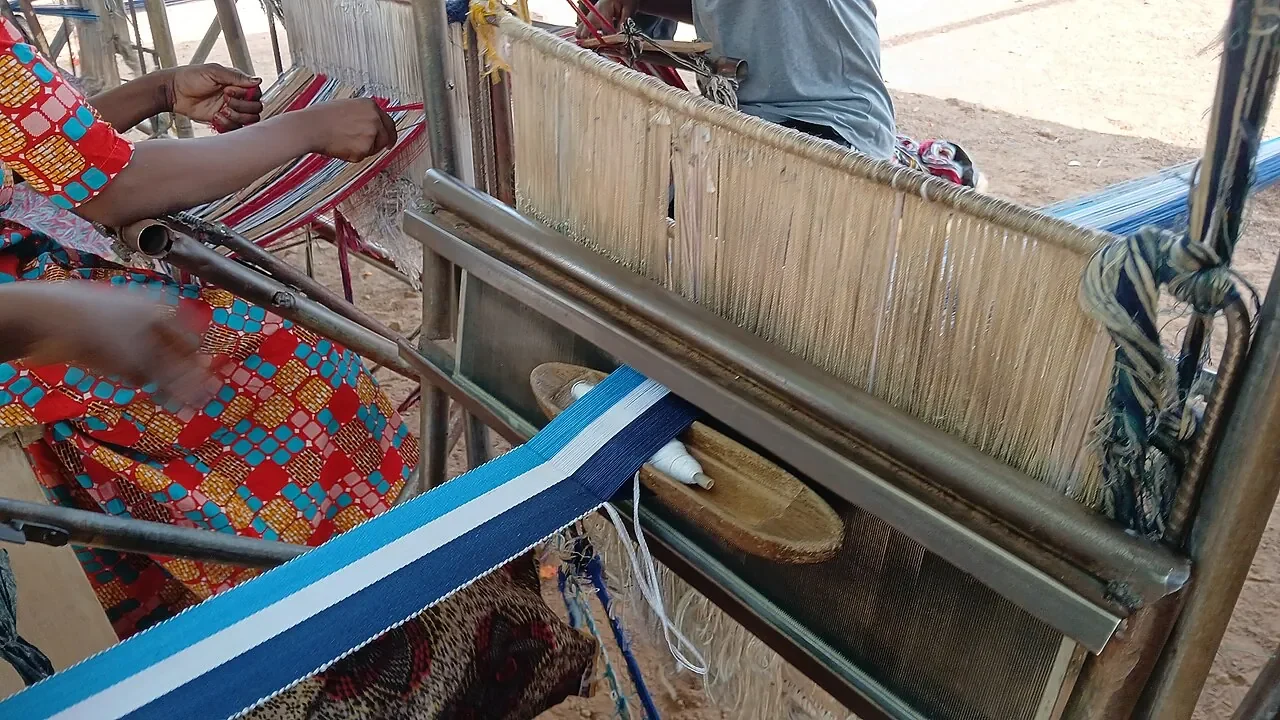
Women working together at wooden looms to weave kente in northern Ghana.
Photo: daSupremo

01 · Understand the place

Listen & map priorities

Work with appropriate local participants to understand the place, its use, its meaning and the conditions that need attention. Agree what can be documented and shared.

A farmer carries harvested rice beside the green mountain terraces of Batad in the Philippines
Photo: Ranieljosecastaneda

02 · Make care practical

Choose one funded action

Assess one feasible improvement with the relevant custodians and specialists. Agree resources, permissions, paid responsibilities and maintenance before work begins.

Green mountains and river valley beneath clouds in Sikkim, India.
Photo: Pradeep Kumbhashi

03 · Keep the relationship open

Review condition & benefits

Review the place’s condition, operating costs, local benefits and resident experience. Use the findings to adjust the action and decide whether it should continue.

Clarity before a place intervention

Questions a place
invites us to ask.

Good intentions need local knowledge, appropriate assessment and agreed responsibilities.

Are the places pictured Oyolima projects?

The real, credited photographs illustrate different kinds of places and landscapes. They are not presented as Oyolima projects or partner locations. Each image has its own source and reuse licence.

Who would decide what should change?

The appropriate local custodians, residents, owners and authorities would shape decisions, with qualified advice where required. A proposed improvement should respond to agreed local priorities and the character of the place.

How would place care be financed?

A pilot would need a clear source of resources. Depending on the concept, these could include locally directed services, visitor payments, appropriate contracts or grants, with fees and beneficiaries explained in advance.

How can a community propose a place?

Use the Oyolima contact page to describe the place, your relationship to it and a local priority. Any pilot would require willing participants, appropriate permissions, resources and a way to review effects.

Begin with a place that matters.

Bring a local priority, a place story or an idea for thoughtful care. A meaningful improvement begins with the people and conditions connected to it.

Photography & References

Real documentary photographs illustrate places, landscapes and local work. The people depicted are not presented as Oyolima projects or partner locations. Their individual sources, photographers and licences are listed below; photographic adaptations retain those licences.

Mitre Peak and Milford Sound

Milford Sound, New Zealand

Credit: Maros Mraz (Maros)

Licence: CC BY-SA 2.5

Original photograph & source record ↗

Resized and compressed to WebP. Photographs may be cropped in display; photographic adaptations retain the source licence.

Mountain landscape, Sikkim

Sikkim, India

Credit: Pradeep Kumbhashi

Licence: CC BY 2.0

Original photograph & source record ↗

Resized and compressed to WebP. Photographs may be cropped in display; photographic adaptations retain the source licence.

A landscape kept alive

Batad, Ifugao, Philippines

Credit: Ranieljosecastaneda

Licence: CC BY-SA 4.0

Original photograph & source record ↗

Resized and compressed to WebP. Photographs may be cropped in display; photographic adaptations retain the source licence.

Tegalalang rice terraces

Tegalalang, near Ubud, Bali, Indonesia

Credit: Freddy eduardo

Licence: CC BY-SA 4.0

Original photograph & source record ↗

Resized and compressed to WebP. Photographs may be cropped in display; photographic adaptations retain the source licence.

Bandiagara escarpment and earthen architecture

Bandiagara escarpment, Mali

Credit: Kirua

Licence: CC BY-SA 3.0

Original photograph & source record ↗

Resized and compressed to WebP. Photographs may be cropped in display; photographic adaptations retain the source licence.

Grand Canal, Venice

Grand Canal, Venice, Italy

Credit: Joshua Newton

Licence: CC0 1.0

Original photograph & source record ↗

Resized and compressed to WebP. Photographs may be cropped in display; photographic adaptations retain the source licence.

Materials and their living source

Bamboo forest; location not specified in the source caption

Credit: Heath Cajandig

Licence: CC BY 2.0

Original photograph & source record ↗

Resized and compressed to WebP. Photographs may be cropped in display; photographic adaptations retain the source licence.

Foundations for the intended concepts

These resources inform the principles of visitor management, restoration and local stewardship. The specific pathways are Oyolima’s intended design concepts; the institutions listed do not endorse this page.

IUCN — Tourism and visitor management in protected areas ↗FAO — Community-based forestry ↗UN Decade on Ecosystem Restoration ↗Design reference — Reliance Industries Limited, About ↗

Oyolima’s existing logo is used with original page text. Playfair Display is distributed under the SIL Open Font License, included with the assets.

What would you like to explore?

Intended concept · Local discovery & local benefit

Community-Led Visitor Routes

Locally chosen routes, small-group encounters and paid guides that respect daily life and seasonal limits. This concept would be developed with willing participants and appropriate local partners.

The mechanism

A network of locally approved walks, stays and learning stops could distribute visitor activity across appropriate places. Residents and custodians would decide routes, group sizes, timing and places that should remain private.

Where resources could come from

Visitor payments could support guides, hosts, local transport and agreed route maintenance. Prices, fees and the share retained locally would be explained before booking.

Who would decide

Residents, local custodians and relevant authorities would agree access, interpretation and service standards. Local providers would help decide how opportunities are shared.

How people could benefit

Visitors gain context, while communities can earn through locally directed services and manage pressure on sensitive places.

A first pilot

Co-design one suitable route with willing local providers and confirmed permissions.

What we would check

Local income retained; resident feedback; visitor pressure; waste; route condition; service reliability.

Intended concept · Care financed by agreed value

A Local Stewardship Fund

Make a clear, agreed contribution to place care part of suitable visitor experiences and local services. This concept would be developed with willing participants and appropriate local partners.

The mechanism

A locally governed maintenance fund could receive a separately disclosed contribution from participating activities. An agreed work list and readable budget would connect income with practical care tasks.

Where resources could come from

Suitable visitor offerings, voluntary contributions and appropriate grants could fund maintenance, paid local stewardship and priority repairs.

Who would decide

A locally chosen group would approve budgets, responsibilities and reporting. Residents would help determine priorities and how concerns are raised.

How people could benefit

Place care gains a visible source of resources, and local stewardship can become paid work with clear responsibilities.

A first pilot

Agree one priority care task, its cost, its funding source and a simple reporting arrangement.

What we would check

Money received and spent; work completed; payment to local workers; condition of the place; resident trust.

Intended concept · Water, habitat & everyday resilience

Living Water & Landscape Care

Connect local knowledge with site-appropriate care for waterways, habitats and the resources a place depends on. This concept would be developed with willing participants and appropriate local partners.

The mechanism

Local observations and qualified assessment could identify practical tasks such as protecting vegetation, caring for drainage, restoring suitable habitats or managing litter near water. Each site would need its own plan.

Where resources could come from

Appropriate restoration contracts, locally agreed service contributions or partnerships could support assessed tasks and continuing maintenance.

Who would decide

Communities, relevant land and water authorities, and qualified practitioners would agree priorities, permissions and methods.

How people could benefit

Care for water and habitat can support local livelihoods and the ecological functions that make a place liveable.

A first pilot

Assess one locally important water or habitat issue and choose a feasible, permitted intervention.

What we would check

Relevant water or habitat indicators; maintenance needs; local participation; seasonal conditions; unintended effects.

Intended concept · Useful infrastructure, cared for locally

Local Service & Repair Hubs

Improve everyday and visitor services through locally managed facilities with a practical maintenance model. This concept would be developed with willing participants and appropriate local partners.

The mechanism

A modest service hub could combine locally suitable functions such as visitor information, repair, refill points, coordinated mobility or waste collection. Facilities would be chosen around actual needs and operated with clear responsibilities.

Where resources could come from

Affordable service fees, appropriate grants and suitable local enterprise arrangements could support setup, staffing and maintenance.

Who would decide

Residents and local operators would help choose the services, access rules, fees and upkeep standards, with relevant technical and regulatory advice.

How people could benefit

Useful services can support residents as well as visitors, create local work and make maintenance more reliable.

A first pilot

Select one service gap that residents identify and test a small, maintainable response.

What we would check

Service uptime; accessibility; use by residents; operating costs; local jobs; waste or resource use.

Intended concept · Cultural meaning & thoughtful reuse

Heritage, Kept in Use

Explore appropriate reuse and repair of existing spaces while respecting their meaning, condition and custodians. This concept would be developed with willing participants and appropriate local partners.

The mechanism

Suitable existing spaces could support locally chosen uses such as learning, craft work, interpretation or community services. Conservation-led assessment would guide what can change and what should be preserved.

Where resources could come from

Agreed uses, community enterprise income and appropriate conservation support could contribute to repairs, upkeep and local skills.

Who would decide

Owners, custodians, residents, heritage authorities and qualified specialists would agree feasible uses and conservation requirements.

How people could benefit

A space can retain cultural meaning while supporting useful activity and continuing care.

A first pilot

Assess one eligible space with its custodians and relevant specialists before proposing a use.

What we would check

Condition and maintenance; cultural integrity; local access; costs; use; the custodians’ assessment of the change.

Intended concept · Local evidence & shared decisions

A Community Atlas of Change

Create a locally owned record of priorities, seasons and changes that helps people choose what should happen next. This concept would be developed with willing participants and appropriate local partners.

The mechanism

Participatory maps, seasonal observations and simple place records could connect local priorities with care tasks, services and visitor conditions. Access levels would help protect private places and restricted knowledge.

Where resources could come from

Agreed documentation commissions, suitable planning partnerships or support for local training could resource mapping and periodic updates.

Who would decide

Local participants and appropriate custodians would decide what is recorded, who can see it and how findings are used.

How people could benefit

Local knowledge becomes usable in decisions, with a continuing record of what a place needs and how interventions affect it.

A first pilot

Create one small, consent-based place record around a community-chosen question.

What we would check

Use in local decisions; representation of different voices; update reliability; agreed access rules; whether recorded changes help planning.