
Peru · South America01
People
Meet makers, custodians and storytellers. Recognise their work, their voice and their right to shape opportunity.
ExploreA weaver at work in Arequipa, Peru.
Sasha India · CC BY 2.0

Community-led · Rights-respecting · Shared prosperity
Our connected targets
Explore the relationships between people, heritage, local resources and shared futures.
About Us
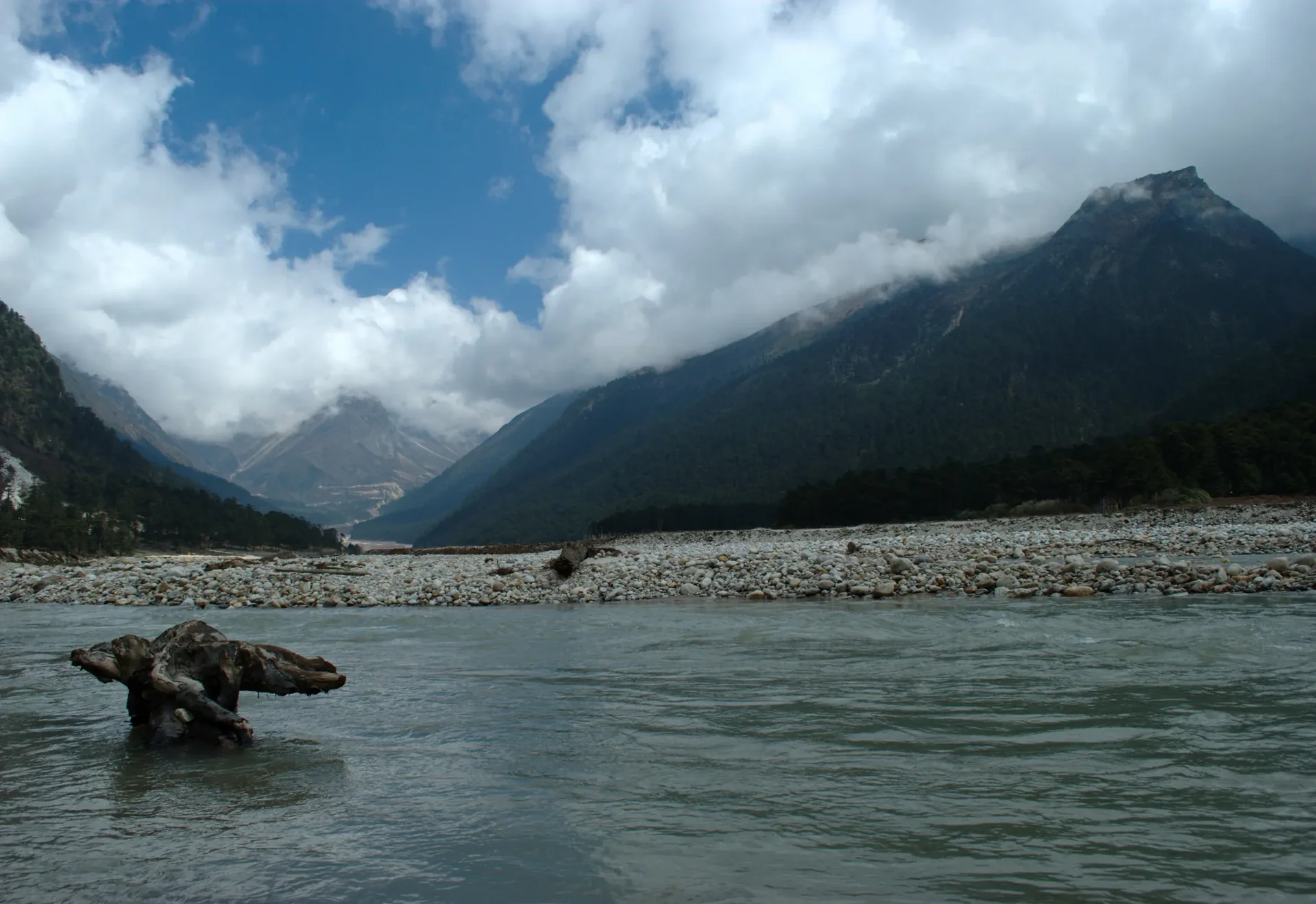
A river valley in Sikkim, India — a landscape with living connections.
Weaving in Arequipa, Peru — creativity carried through people and practice.
Batad, Philippines — a landscape shaped by work, care and knowledge.
Oyolima brings people, living landscapes and cultural heritage into view — so the communities behind them can shape the value they create.
An archive, a museum and a marketplace can do more than display what is beautiful. They can explain who made it, where it comes from, how knowledge travels and why the people connected to it matter.
Oyolima is being built around six connected targets: People, Place / Landscape, Objects, Techniques, Knowledge and Materials. Our purpose is to connect discovery with community-led opportunity, while respecting culture, context and local decisions.
We begin with the people whose labour, care, creativity and knowledge keep heritage alive. Recognition should strengthen their voice, expand their choices and support livelihoods they have reason to value.
From a handwoven object to a living landscape, the ambition is the same: connect cultural meaning with fair, locally directed benefit.
Explore our six targetsWomen weaving in northern Ghana · daSupremo · CC BY-SA 4.0
Six connected ways to recognise what is distinctive, understand what sustains it and open pathways to community-led value.
Meet makers, custodians and storytellers. Recognise their work, their voice and their right to shape opportunity.
ExploreA weaver at work in Arequipa, Peru.
Sasha India · CC BY 2.0
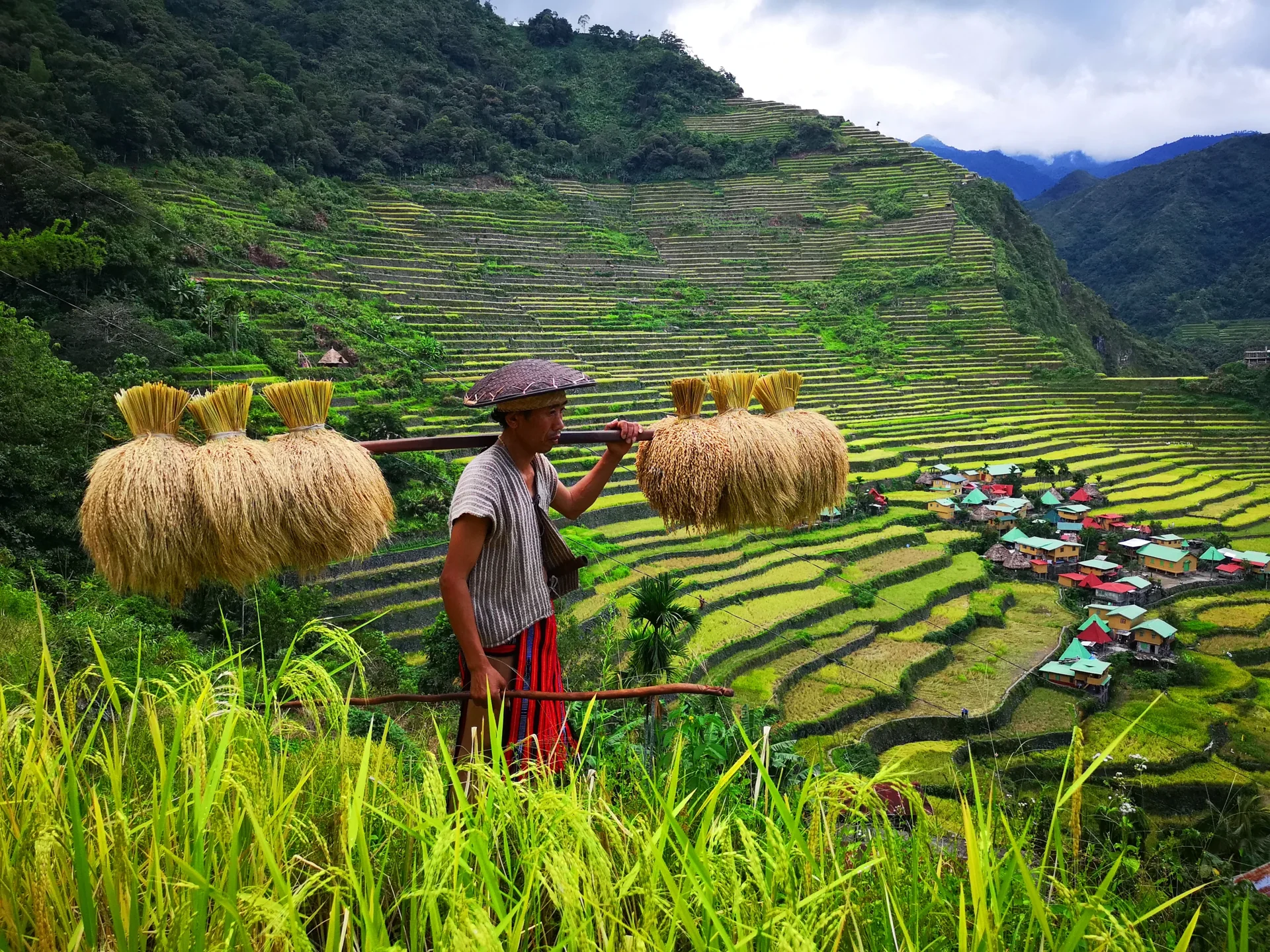
Explore living landscapes and heritage settings through community-led encounters, local stewardship and responsible tourism.
ExploreA farmer in the rice terraces of Batad, Philippines.
Ranieljosecastaneda · CC BY-SA 4.0
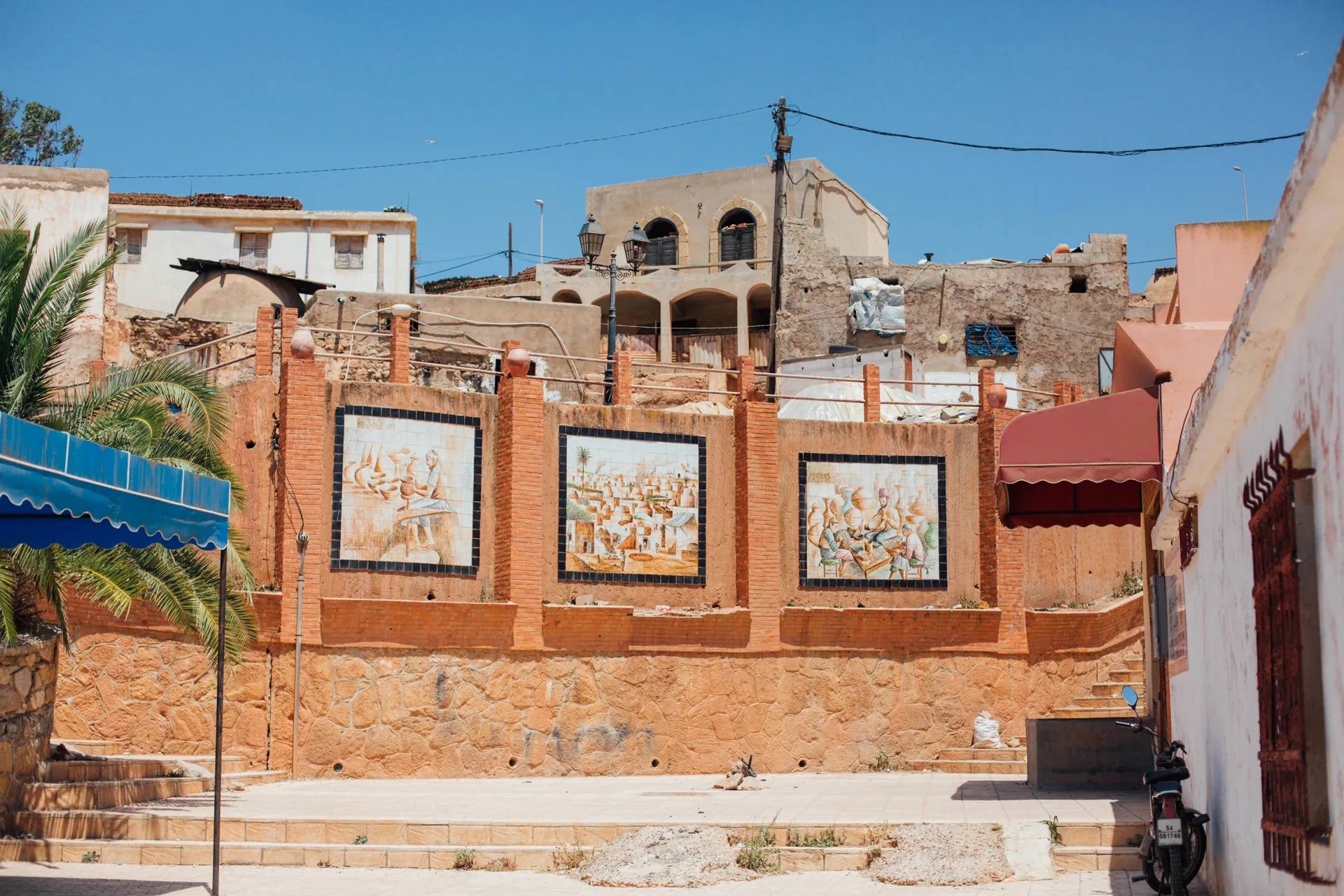
Discover crafted objects with meaning, maker attribution and provenance, alongside routes to fair exchange.
ExploreHandcrafted pottery at a marketplace in Safi, Morocco.
ErnestK91 · CC BY-SA 4.0

See how skill takes shape. Support practitioner-led demonstrations, paid workshops and apprenticeships.
ExploreKente weaving at the Afrochella Festival in Ghana.
Fquasie · CC BY-SA 4.0
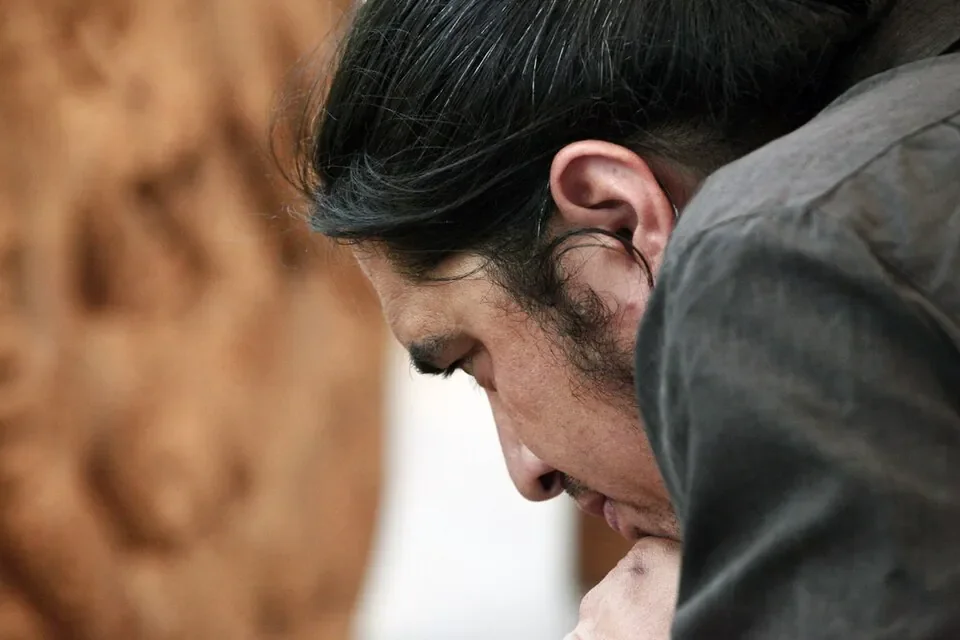
Learn from living knowledge on terms set by its holders, through authorised stories, teaching and collaboration.
ExploreA Māori artisan studying carved work in New Zealand.
Steve Evans · CC BY 2.0
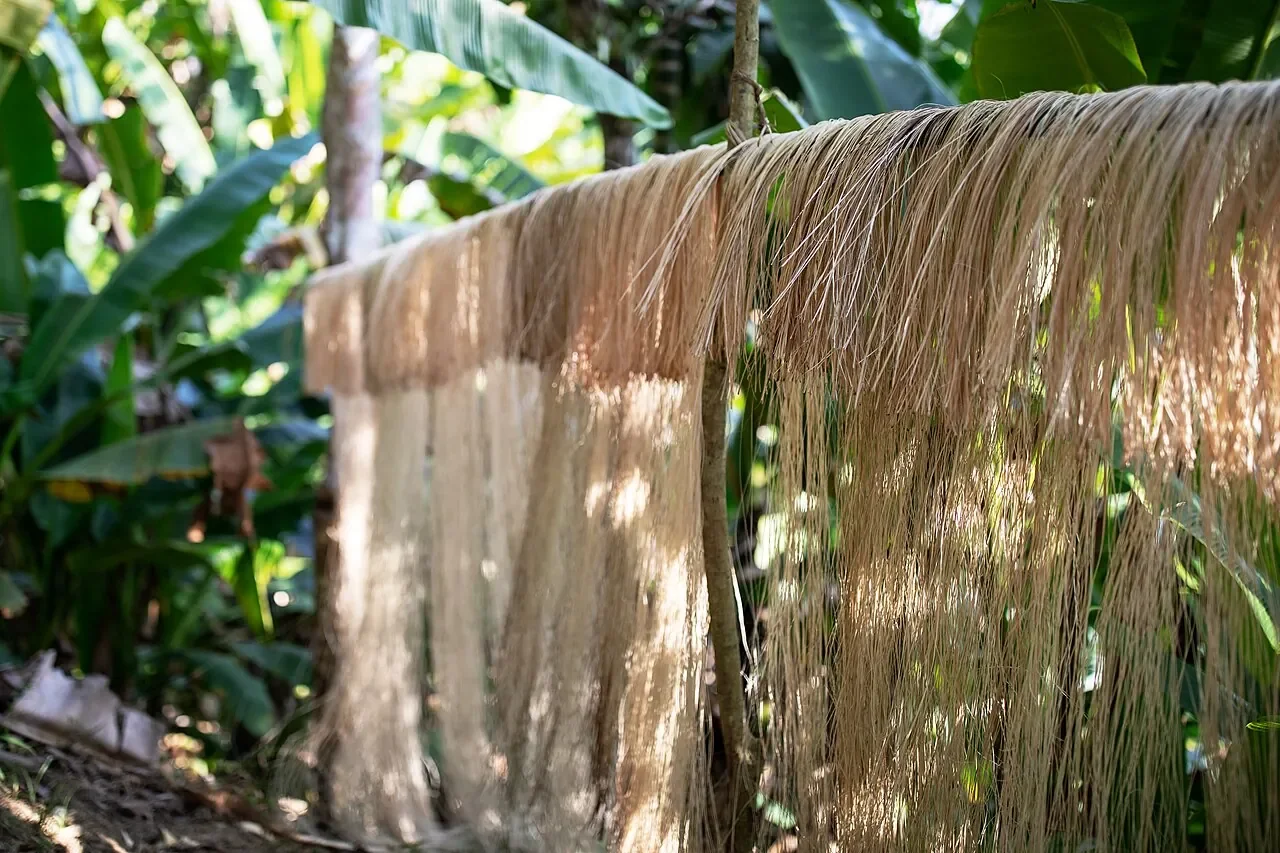
Trace resources from source to use, recognising local stewardship, responsible sourcing and thoughtful transformation.
ExploreAbacá fibres drying; the source does not specify a location.
LAUSCHSICHT for BANANATEX · CC BY-SA 4.0
Every target is part of a relationship: a person holds knowledge, a technique shapes a material, an object carries meaning, and a place gives them context. We explore those relationships together.
Our value-creation approach
Our ambition is to turn recognition into opportunity, with the people connected to heritage helping define what happens next.
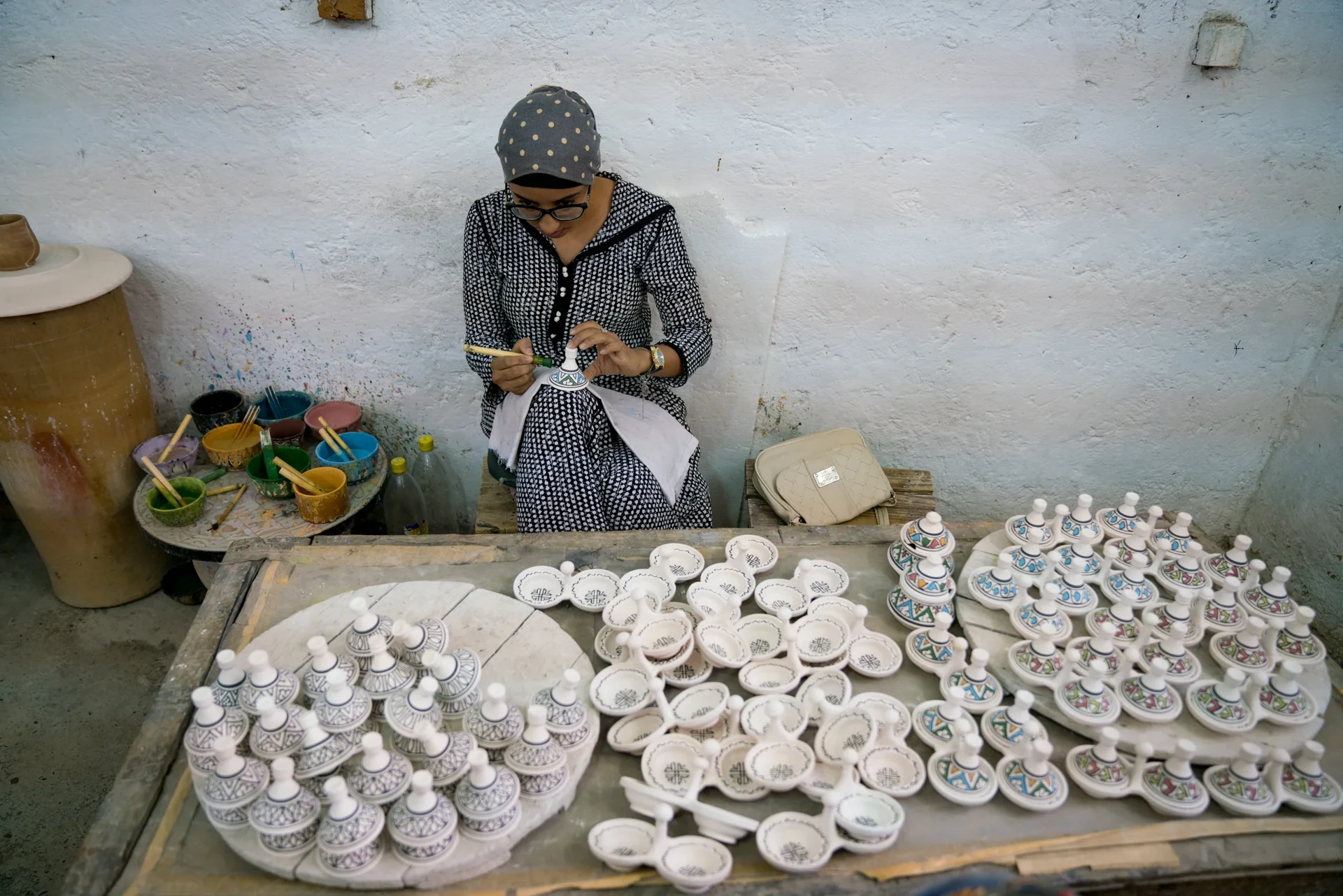
Skills deserve recognition, and work deserves fair compensation. Maker attribution, agreed prices and practitioner-led opportunities are central to the model.
Recognition & income
Credit the person. Respect the work.Living landscapes depend on local care. Community-led experiences should support stewardship, local services and the conditions that make a place worth visiting.
Care for place
Local decisions guide access and use.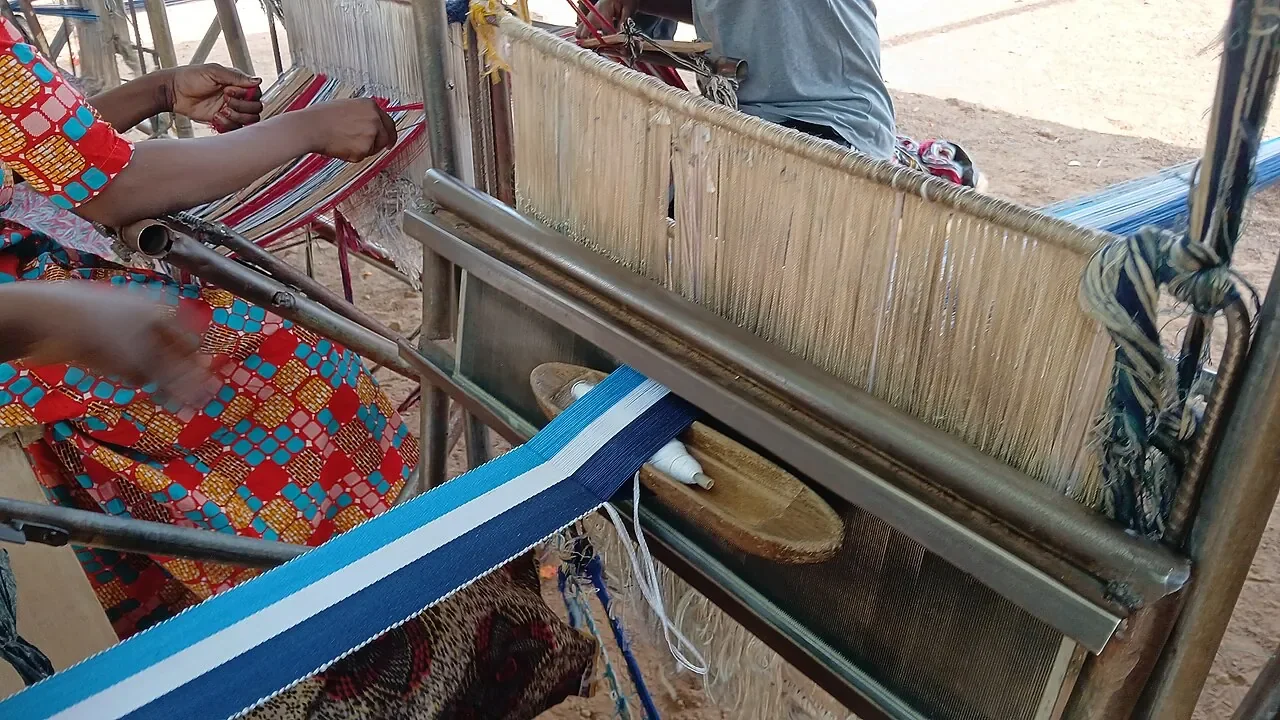
Inclusive opportunity requires a voice in decisions as well as access to work. Paid learning, apprenticeships and meaningful participation can support continuity.
Agency & continuity
Participation should include decision-making.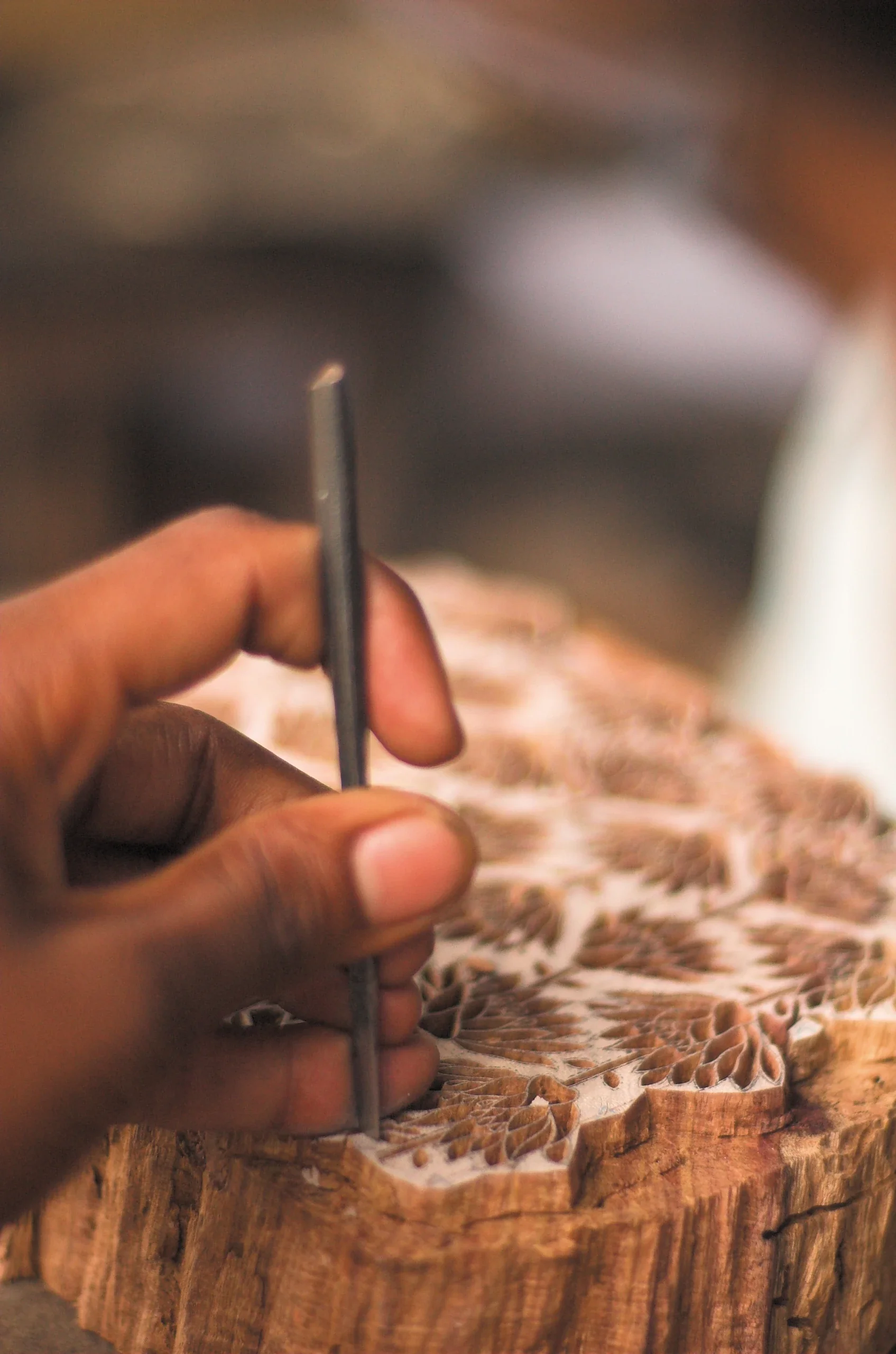
People should decide what may be documented, taught or shared. Authorised learning can create value while keeping restricted knowledge within its chosen boundaries.
Consent & control
Permission comes before publication.
A meaningful encounter starts with context. Clear provenance, respectful interpretation and transparent terms help discovery support the people behind an offering.
Trust & connection
Know the origin. Understand the relationship.Our guiding commitment: proceeds from community offerings should reach the people and communities behind them. Beneficiaries, fees and payment terms must be clear before a sale, booking or collaboration.
How we work matters as much as what we explore.
Six commitments guide the relationships we want to build.
The people connected to a story, skill or resource should have a meaningful say in how it is represented and how value is created. Their choices are the starting point. In practice: agree who decides, who participates and who benefits.
Cultural meaning is not a permission slip. We seek permission before documenting, sharing or developing an opportunity, and respect decisions to keep knowledge or places private. In practice: document permission and respect its limits.
A photograph, object or account should carry its origin. Clear sources and maker recognition help people understand the relationships behind what they see. In practice: credit the source and distinguish evidence from interpretation.
Value should strengthen the people whose work, knowledge and resources make it possible. Benefits, costs and responsibilities should be visible and agreed. In practice: name the beneficiaries and explain the terms.
Local resources and landscapes have limits. Opportunities should respect regeneration, local access rules and the responsibilities of stewardship. In practice: assess sourcing and visitation with local custodians.
Heritage remains living when people can practise, adapt and teach on their own terms. Learning should support practitioners and open choices for the next generation. In practice: support paid teaching and practitioner-led learning.
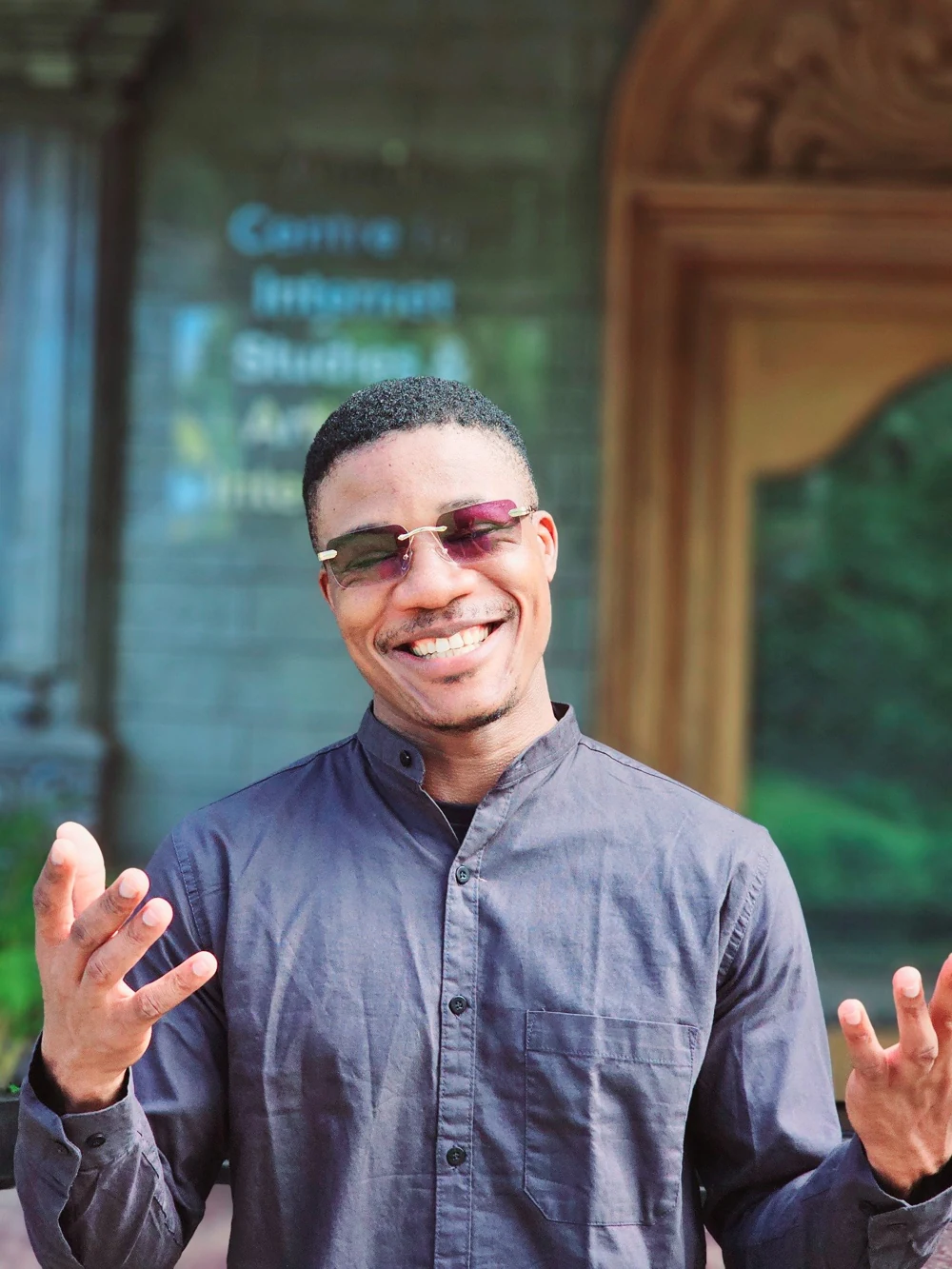
Our founder & purpose
Chibueze Peter Edeze
Oyolima grows from the work of a Nigerian researcher and entrepreneur exploring indigenous knowledge, heritage, local resources and sustainable rural development.
The question is simple: how can places rich in knowledge, skill and cultural meaning gain more recognition — and how can that recognition expand the choices of the people who sustain them?
That question connects field exploration with a wider ambition: to build an archive, museum and marketplace in which local people help govern the value of their own assets.
Meet our founderFrom discovery to shared opportunity
A careful relationship connects an archive record with a meaningful opportunity. These are the principles we bring to that process.
01 · Relationship first
Begin with people and context. Understand local priorities, recognise existing assets and agree what the community wants to make visible.
Explore people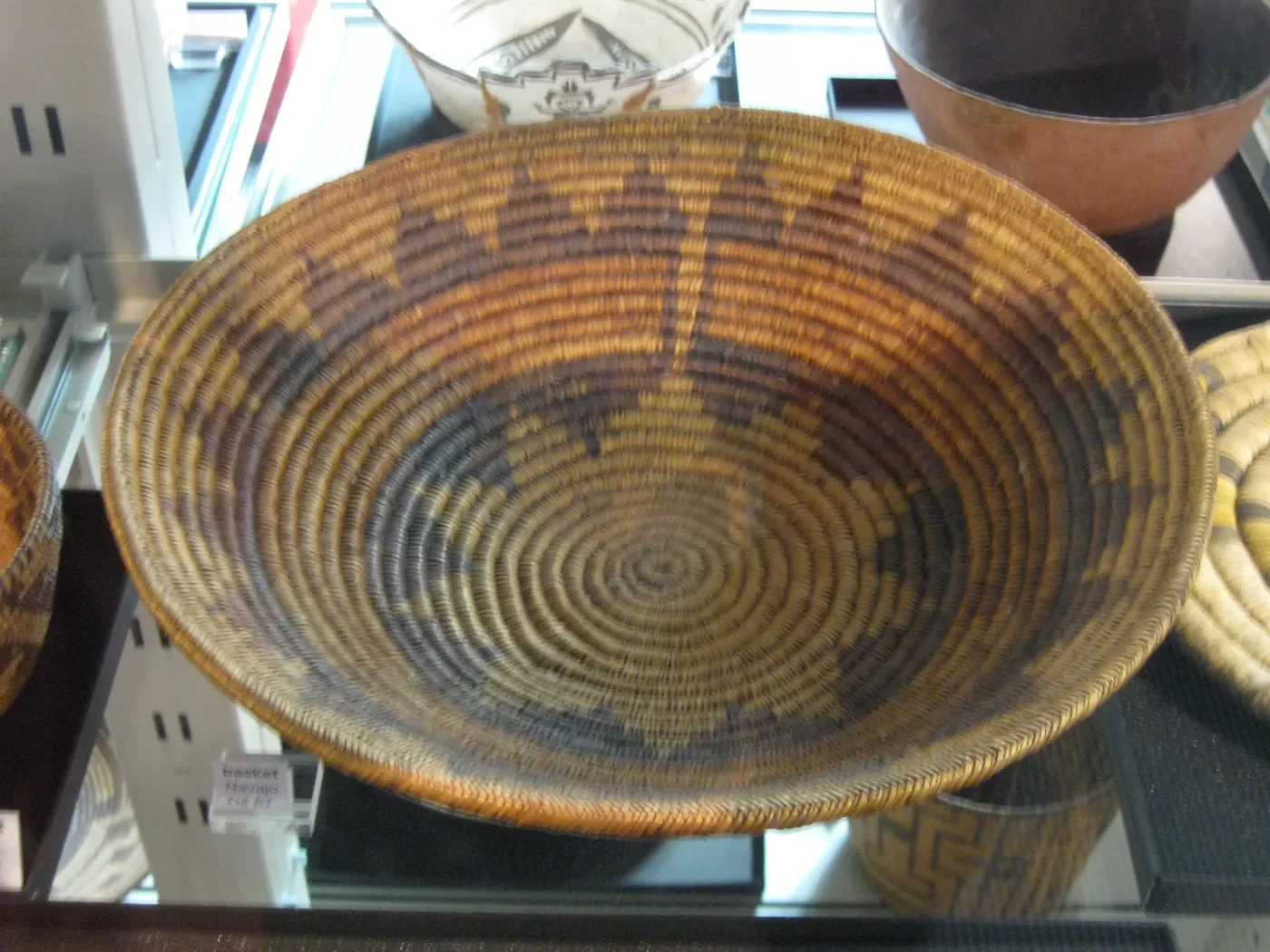
02 · Context before display
Record origins, meanings, sources and permissions. A museum object, a landscape and living knowledge each need their own kind of context.
Explore objects03 · Benefits by agreement
Develop appropriate routes to exchange, learning or visitation. Agree responsibilities and benefits, then keep the relationship open to review.
Explore techniquesA relationship built on trust
Discovery should come with context, and opportunity should come with agreed terms.
No. An archive record, a museum-style interpretation and a commercial offering serve different purposes. Display does not imply that an object, knowledge, place or practice is available for purchase or reuse. Any offer should state its specific terms.
The guiding commitment is that proceeds from community offerings reach the participating people and communities. Beneficiaries, costs, any platform fee and payment arrangements should be agreed and disclosed for each offering.
Knowledge holders should decide what may be documented, taught or made public. Restricted, sacred or confidential knowledge should remain within the boundaries chosen by its holders. See WIPO’s guidance on documentation for the issues that cultural documentation can raise.
The credited documentary photographs illustrate heritage, landscapes and skilled work in different parts of the world. The people and institutions depicted are not presented as Oyolima partners. Each photograph has a linked source and its own reuse licence.
Explore a person, a place, an object or a practice — and consider the relationships that give it value.