India / People
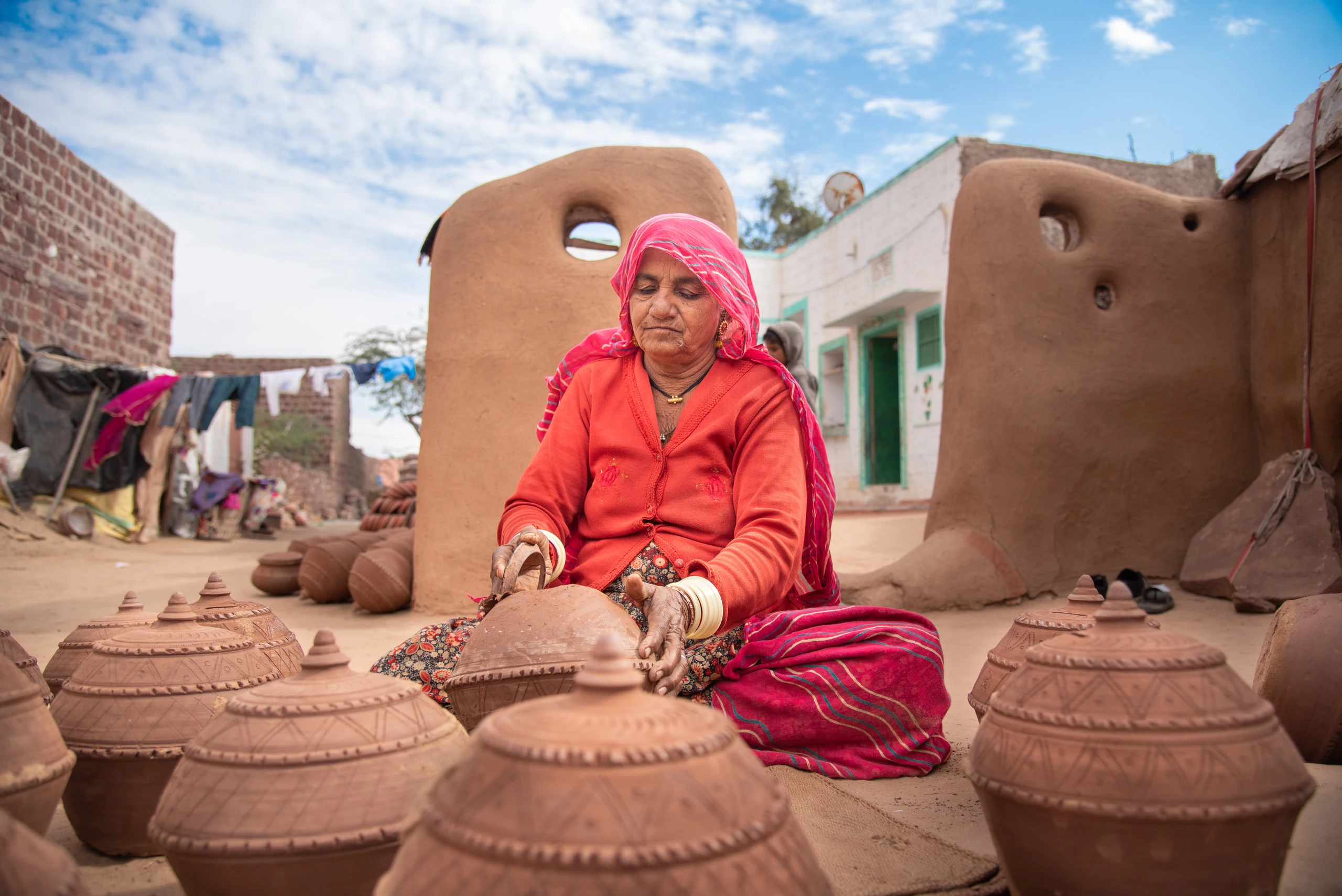
Red-clay pottery in Pokaran
The person behind the object is at the centre of every livelihood. This photograph documents a potter working with red clay in Pokaran, Rajasthan.
explore people

Community-led · Rights-respecting · Shared prosperity
Explore the people, places and practices at the heart of rural futures.
Rural development, shaped by the people who live it.
Through social entrepreneurship and practical training, our focus is value creation, value governance and fair, equitable benefit sharing. Communities help decide what becomes visible, what can be used, and what remains protected.
Rural development begins with people’s capabilities, choices and authority.
Oyolima connects recognition with practical training, collective organisation and meaningful opportunities for makers, custodians, women and young people. Communities help define what progress should mean.
Paid work · Enterprise skills · Community leadership
explore peopleLandscapes hold livelihoods, memory and living relationships.
Community-led interpretation, careful hosting and nature-based experiences can create value where communities invite them. Conservation, customary access and the limits of a place guide every opportunity.
Community hosting · Local interpretation · Landscape stewardship
explore placesAn object carries skill, provenance and meaning.
Publicly shareable craft can support maker-led trade, commissions and interpretation. Every offer should identify its makers, explain its context and make the terms of payment clear.
Maker-led sales · Fair commissions · Provenance and interpretation
explore objectsWays of knowing deserve recognition and protection.
Communities decide which knowledge may be taught, recorded or kept private. Permitted learning, interpretation and research collaboration can support livelihoods while respecting cultural authority.
Community-approved learning · Paid interpretation · Responsible collaboration
explore knowledge systemsLocal resources become opportunities through careful stewardship.
Training in processing, quality, sourcing and circular use can help communities retain more value locally. Resource rights, sustainable supply and regeneration come before market expansion.
Responsible sourcing · Local processing · Circular material use
explore materialsLiving skills thrive when their practitioners can teach and earn fairly.
Paid apprenticeships, practitioner-led workshops and authorised collaborations can support continuity. Makers determine what is teachable, how their contribution is credited and how the benefits are shared.
Paid apprenticeship · Practitioner-led workshops · Authorised co-design
explore techniquesSocial entrepreneurship begins with the capabilities to make informed choices. Our proposed learning pathway brings enterprise skills together with cultural stewardship, community organisation and fair exchange.
Practitioners lead where their knowledge is involved. Communities define the opportunities and the terms of participation.
Recognition becomes useful when it expands what people can do. Oyolima’s approach links local strengths with practical training, quality, interpretation and viable community enterprises.
Economic value sits alongside cultural continuity, social inclusion and ecological care. Communities define the outcomes they seek.
Governance determines who may decide, which uses are allowed and whose voices count. Shared rules, representative decisions and clear records help communities retain control.
Consent, conflict-of-interest disclosure, review and accessible complaints are part of the proposed enterprise design.
The people who create and care for value should help determine how its benefits are distributed. Costs, fees and allocations belong in an agreed and understandable record.
Benefit sharing includes payment, community priorities, learning and stewardship. Actual terms are negotiated locally and reviewed with those affected.
Explore publicly documented examples of rural life, craft and heritage. Each photograph leads back to its creator and source.
The person behind the object is at the centre of every livelihood. This photograph documents a potter working with red clay in Pokaran, Rajasthan.
explore people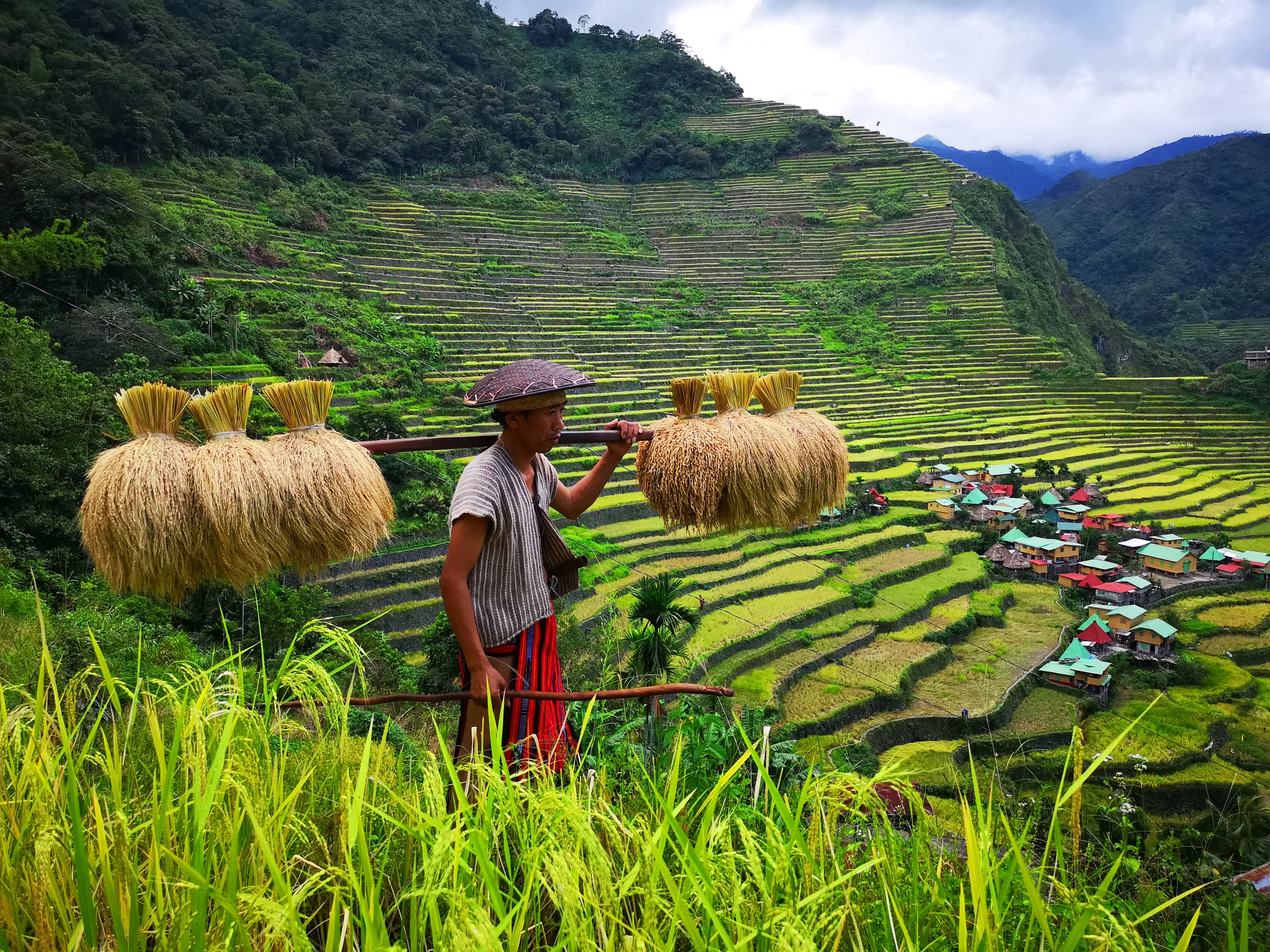
The Batad terraces are part of the UNESCO-listed Rice Terraces of the Philippine Cordilleras. This is a living agricultural landscape, maintained through the work and knowledge of its communities.
explore places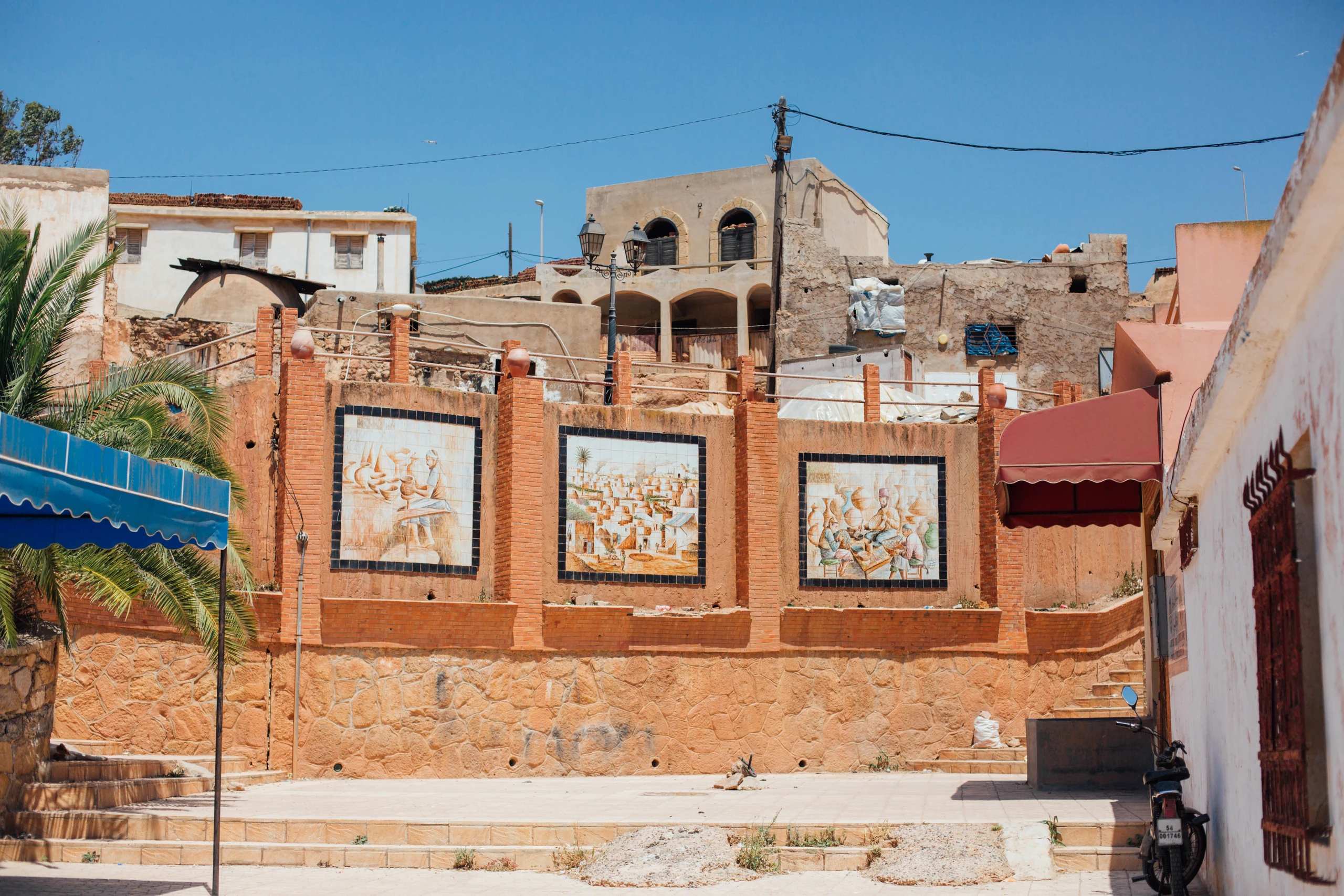
A pottery marketplace in Safi shows objects entering public exchange. Oyolima’s proposed approach places maker attribution, provenance, fair pricing and permission alongside the object itself.
explore objects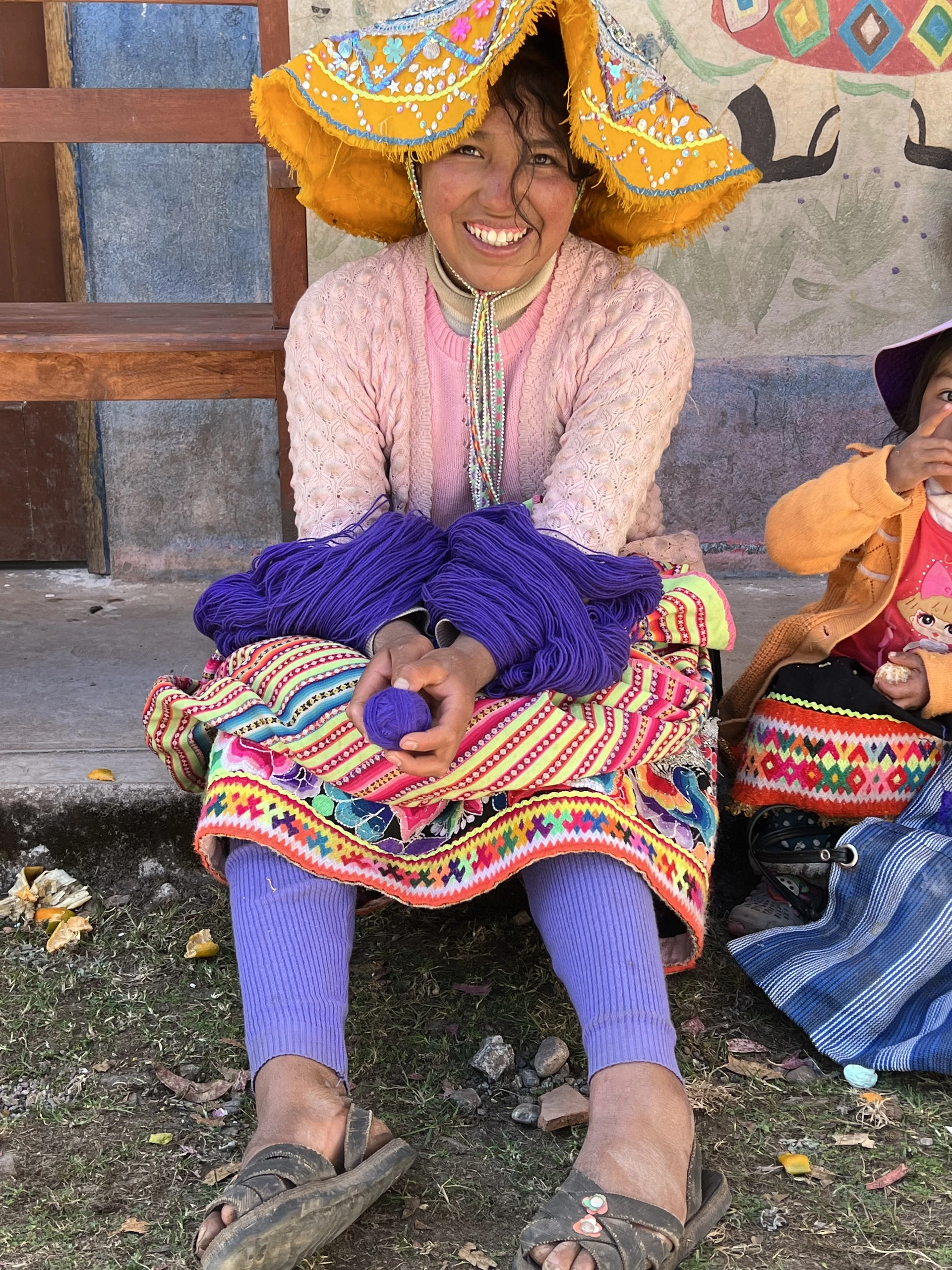
Preparing wool is part of the living practice documented in this photograph from Huacahuasi. Knowledge is carried through people, daily work and relationships across generations.
explore knowledge systems
A material pathway begins with its ecological setting. This forest photograph illustrates why sourcing, regeneration and access rules belong in a rural enterprise model. Its source caption does not specify a country.
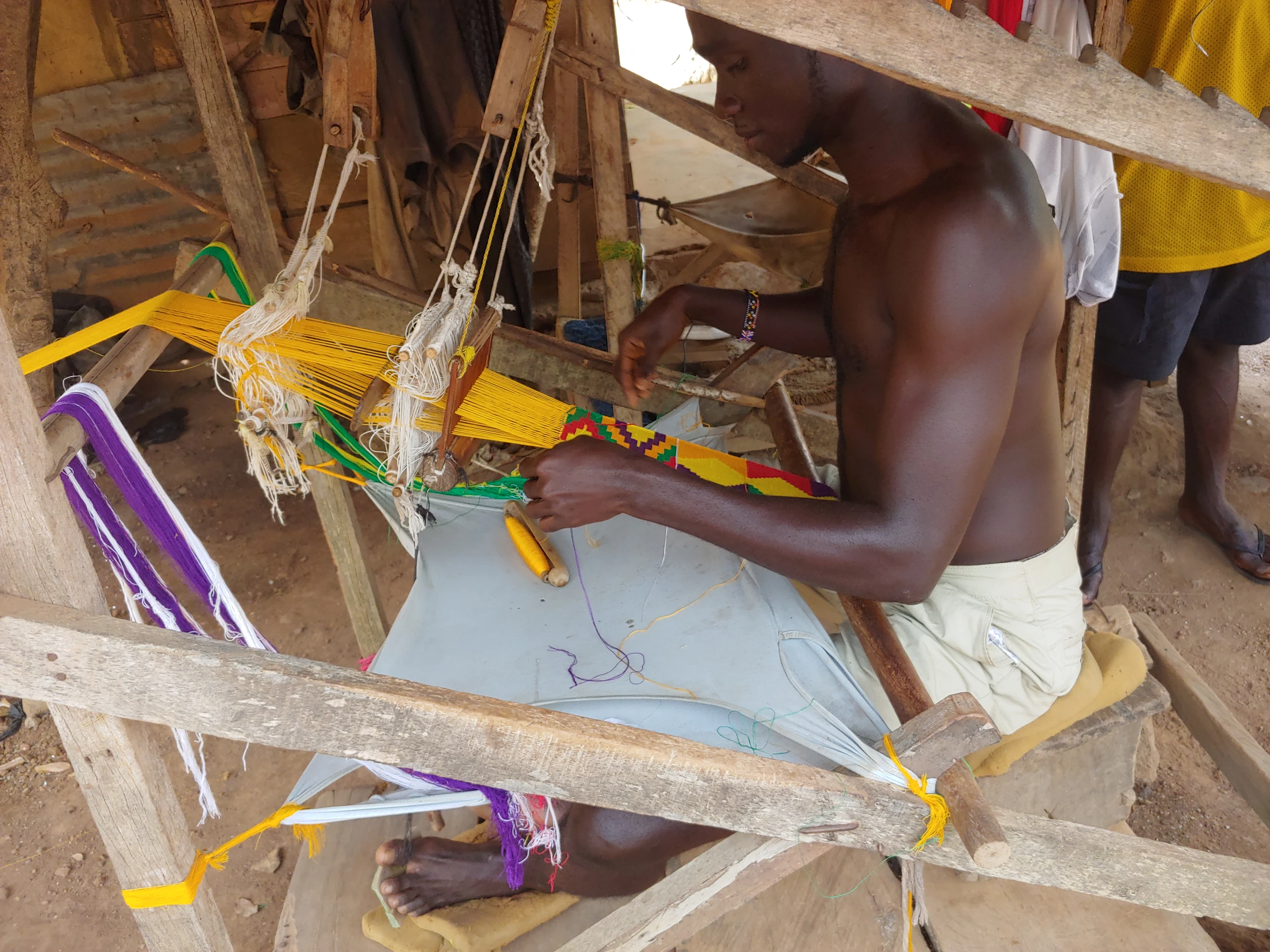
explore materialsThis photograph documents Kente weaving in Bonwire. UNESCO’s record of Kente craftsmanship describes its horizontal looms and the knowledge transmitted through the craft.
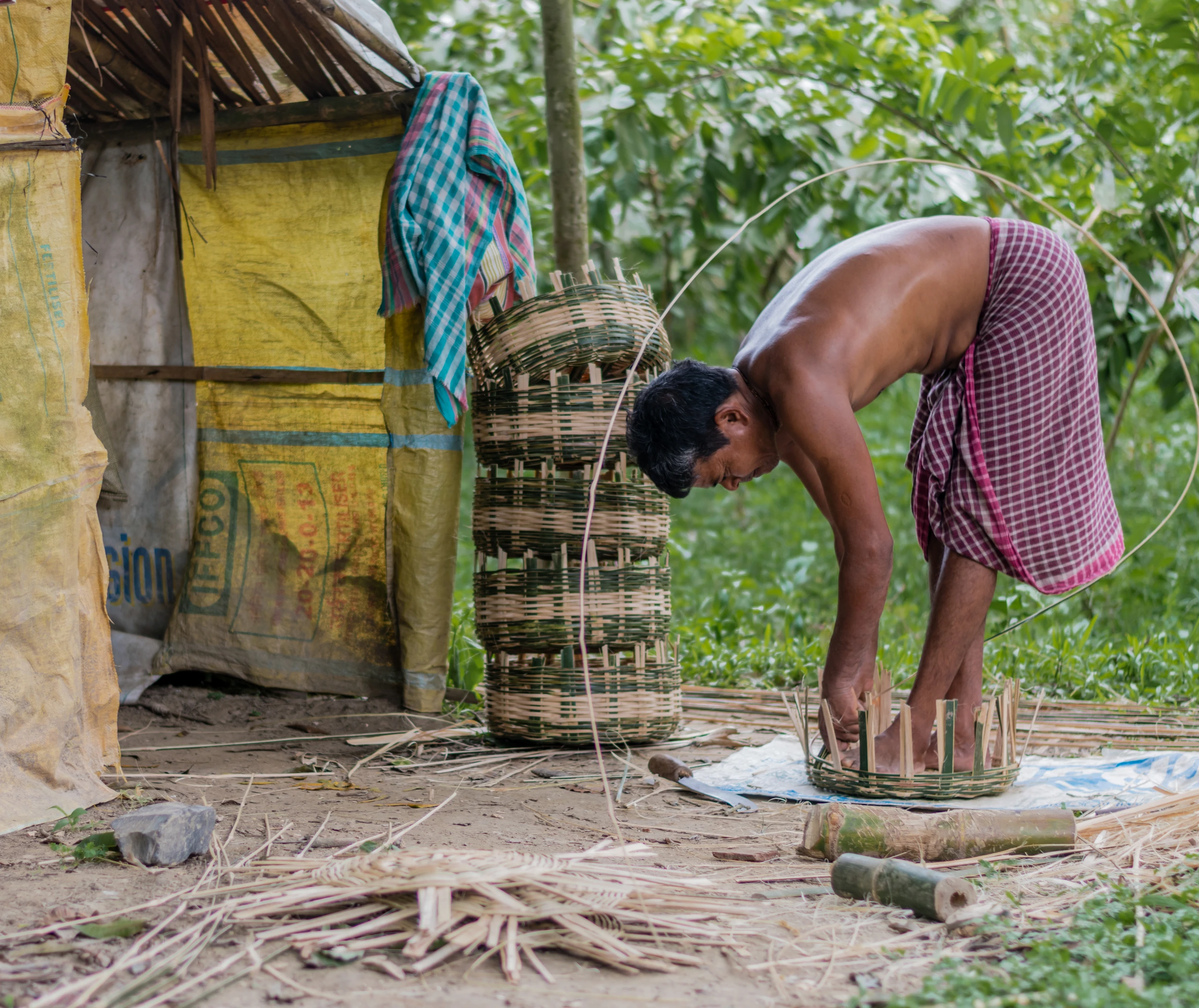
explore techniquesA basket maker works with bamboo in a rural setting. The photograph makes visible the connection between a material, the skill to shape it, and the person who should benefit from that work.
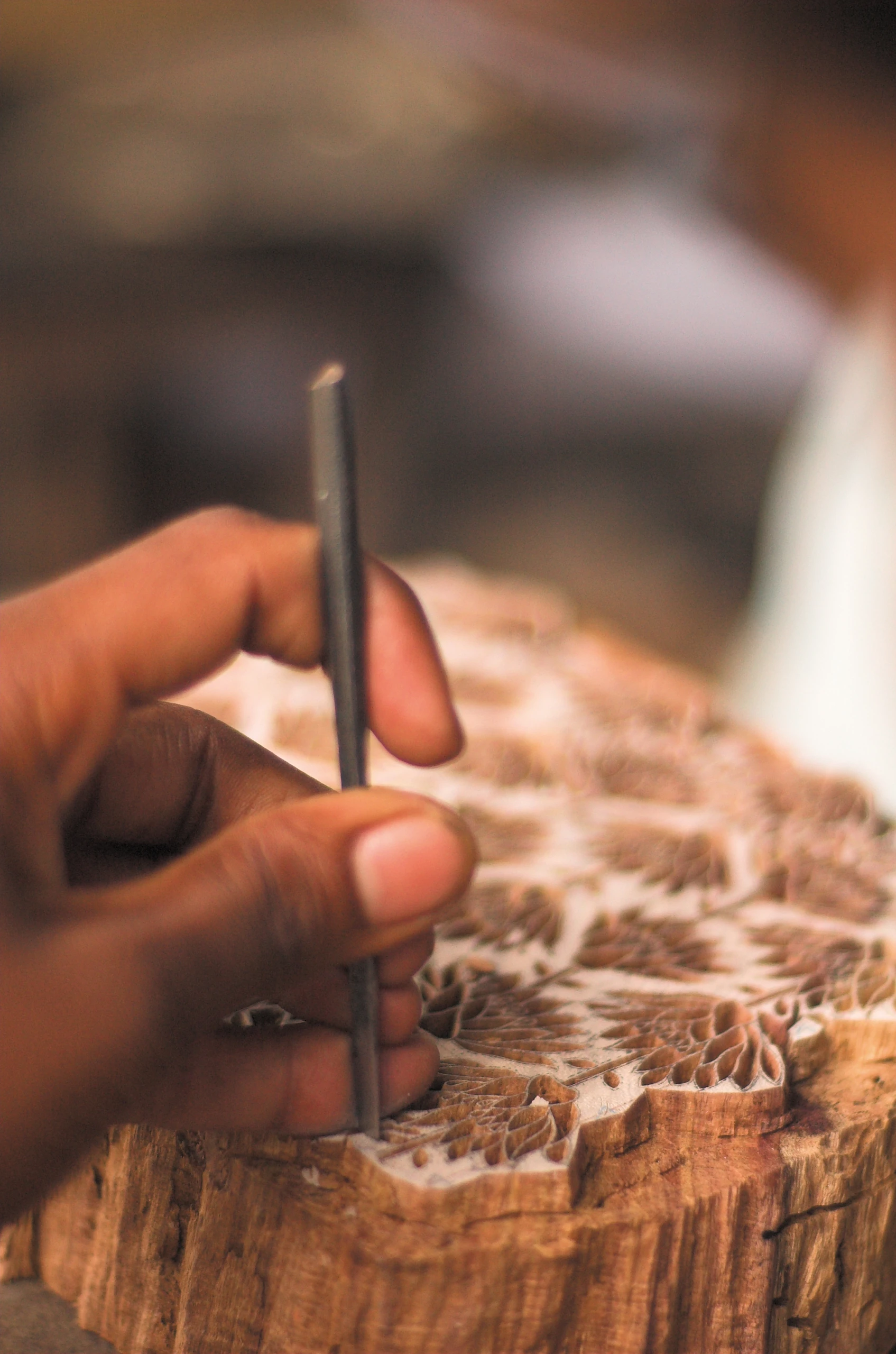
explore materialsA hand-carved printing block records both material and skill. Apprenticeship, paid teaching and careful documentation can support continuity when practitioners decide what may be shared.
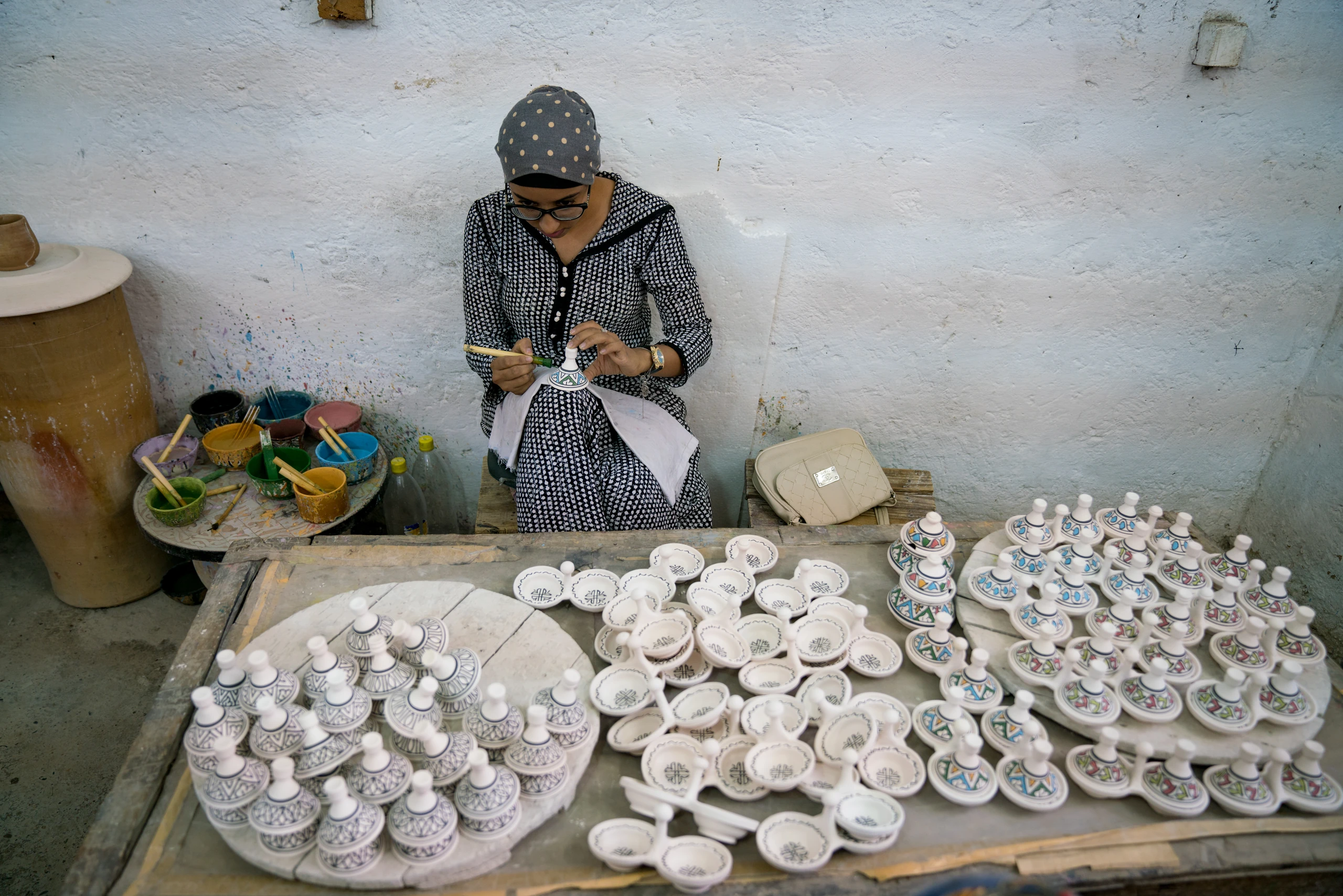
explore techniquesA ceramic craftswoman paints a vessel in Fez. This public photograph is an example of skilled work, and does not identify the person as an Oyolima participant.
explore peopleOpportunity should strengthen community agency. The proposed Oyolima model puts consent, representation, protection and accountability into the design of each activity.
Communities and recognised custodians decide which opportunities fit their priorities—and which knowledge, objects or resources must remain protected.
Before documenting or displaying a person, place, object or practice, clarify the purpose and recognise who has authority to consent. Consent should be informed, voluntary, specific and sustained.
Protected, sacred, confidential or community-restricted knowledge and resources remain outside commercial offers. Public availability does not itself create permission for commercial use.
A fair enterprise needs checks on who can control decisions and benefits. Local leadership should be accountable to the people affected.
Communities need clear records and a way to question an outcome without retaliation. An agreement should explain decisions and allow review.
Clear terms make fair sharing reviewable. Explore a sample allocation, then consider the agreement your community would choose.
ILLUSTRATIVE AGREEMENT BUILDER · Communities decide actual terms
The remaining 10% supports learning & stewardship in this example. Currency selection changes the display; it does not convert amounts.
USD 10,000 − 2,000 − 0 = USD 8,000
75% + 15% + 10% = 100% of the available pool.
This is a discussion tool, not an Oyolima fee schedule or a promise of income. Fairness depends on participation, needs, contributions and local agreement. Terms should name recipients, explain costs and fees, record payments, and provide a review and grievance process.
Each step connects enterprise development with the authority to decide and the ability to benefit.
Map capabilities, heritage and resources with communities. Establish what may be shared.
Offer training, strengthen organisation and develop viable opportunities together.
Agree consent, representation, ownership, access and benefit-sharing terms.
Review earnings, inclusion, cultural continuity and ecological effects. Respond to concerns.
Bring your community’s priorities, your practice or your experience. Explore how learning, responsible enterprise and fair value sharing could work together.